· 9 min read
Can Dogs Eat Broccoli Sprouts? Benefits, Risks & Safe Feeding Guidelines
Picture this: You’re prepping a nutrient-packed salad, tossing in fresh broccoli sprouts for that extra crunch and health boost. Out of the corner of your eye, you notice your dog—tail wagging, nose twitching—staring at the counter like it holds the secret to eternal happiness. “Just a tiny bite?” you think. After all, broccoli is often called a “superfood” for humans. But can dogs eat broccoli sprouts, too?
As pet parents, we’re always on the hunt for healthy, natural treats to share with our furry friends. Broccoli sprouts, with their reputation as a nutrient-dense powerhouse, seem like a promising option. But before you toss a sprout their way, it’s crucial to separate fact from fiction. Are these tiny greens safe for dogs? Do they offer real benefits, or are there hidden risks?
In this guide, we’ll dive into everything you need to know about feeding broccoli sprouts to dogs—from their nutritional perks to potential dangers, plus how much (if any) is safe to serve. Let’s keep those tails wagging and those tummies happy.
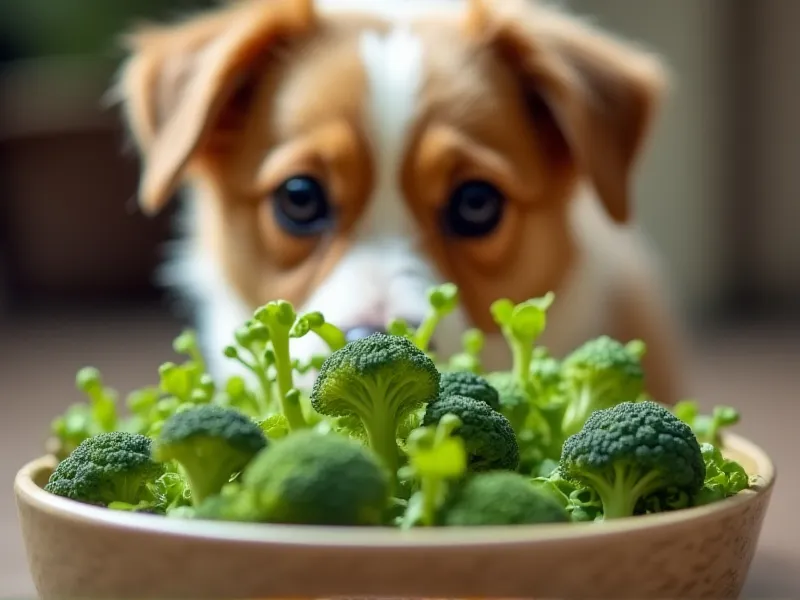
Table of Contents
- Can Dogs Eat Broccoli Sprouts? The Short Answer
- Nutritional Benefits of Broccoli Sprouts for Dogs
- Potential Risks of Feeding Broccoli Sprouts to Dogs
- How Much Broccoli Sprouts Can Dogs Safely Eat?
- Healthier Alternatives to Broccoli Sprouts for Dogs
- FAQ: Your Broccoli Sprouts Questions Answered
- Conclusion: Moderation is Key
Can Dogs Eat Broccoli Sprouts? The Short Answer
Yes, dogs can eat broccoli sprouts in small, occasional amounts. Unlike some human foods (think chocolate or grapes), broccoli sprouts are not toxic to dogs. In fact, they’re packed with vitamins, minerals, and antioxidants that can support your pup’s health—when fed responsibly.
But here’s the catch: “Small” and “occasional” are the keywords. Broccoli sprouts, like many human foods, come with potential risks if overfed or given improperly. So while they’re not off-limits, they shouldn’t become a staple in your dog’s diet. Let’s break down the why behind the “yes” and the “but.”
Nutritional Benefits of Broccoli Sprouts for Dogs
Broccoli sprouts are often called “nutrient bombs” for a reason. These tiny greens (harvested just a few days after sprouting) are loaded with more vitamins and antioxidants than mature broccoli—sometimes up to 50 times more, according to research. Here’s how they might benefit your dog:
1. Rich in Antioxidants (Including Sulforaphane)
Broccoli sprouts are famous for their high levels of sulforaphane, a powerful antioxidant that forms when the sprout is chewed or chopped. Sulforaphane has been studied for its anti-inflammatory, antimicrobial, and even cancer-fighting properties in humans, and emerging research suggests it may offer similar benefits for dogs. For example, a 2018 study in Frontiers in Veterinary Science noted that sulforaphane could help reduce oxidative stress in dogs, supporting overall cellular health.
2. Vitamins for Immune & Bone Health
- Vitamin C: Dogs produce their own vitamin C, but extra can still support their immune system, especially during stress or illness. Broccoli sprouts are a natural source of this vitamin, which helps fight free radicals and aids collagen production (important for skin and joint health).
- Vitamin K: Critical for blood clotting and bone strength. A deficiency in vitamin K can lead to excessive bleeding, so this nutrient is key for growing puppies and senior dogs alike.
3. Fiber for Digestive Health
Like many veggies, broccoli sprouts are high in dietary fiber. Fiber helps regulate your dog’s digestive system by promoting regular bowel movements and feeding beneficial gut bacteria. A little fiber can缓解 constipation or diarrhea, making sprouts a potential (small!) addition to a balanced diet.
4. Potassium for Heart & Muscle Function
Potassium is an electrolyte that supports healthy heart rhythm, muscle contraction, and nerve function. Dogs need potassium to maintain energy levels and balance fluids in their bodies. Broccoli sprouts offer a modest amount of this mineral, which can complement other potassium-rich foods in their diet (like sweet potatoes).
Potential Risks of Feeding Broccoli Sprouts to Dogs
While broccoli sprouts have perks, they’re not without risks—especially if fed incorrectly or in large quantities. Here’s what to watch out for:
1. Choking Hazard (Especially for Small Dogs)
Broccoli sprouts are tiny, but their firm texture and small size can pose a choking risk, particularly for small breeds or dogs who gulp their food without chewing. Even larger dogs might inhale a sprout accidentally, leading to coughing, gagging, or worse.
2. Digestive Upset (Gas, Bloating, or Diarrhea)
Fiber is great—too much fiber is not. Broccoli sprouts are high in raffinose, a complex sugar that dogs (and humans!) can’t fully digest. When raffinose ferments in the gut, it produces gas, leading to bloating, discomfort, or even diarrhea. This is especially true if your dog isn’t used to high-fiber foods.
3. Goitrogens: A Concern for Thyroid Health?
Broccoli belongs to the cruciferous family, which includes veggies like kale, cabbage, and Brussels sprouts. These plants contain goitrogens—compounds that, in very large amounts, can interfere with thyroid function by blocking iodine uptake. Over time, excessive goitrogen intake could lead to hypothyroidism (underactive thyroid), causing weight gain, lethargy, or skin issues.
Broccoli sprouts have higher goitrogen levels than mature broccoli, so moderation is extra important here. Most dogs won’t face issues from occasional small servings, but dogs with pre-existing thyroid conditions should avoid sprouts altogether.
4. Pesticides or Bacteria (If Not Washed)
Raw sprouts—including broccoli sprouts—are prone to contamination with bacteria like Salmonella or E. coli, which can make both humans and dogs sick. Always wash sprouts thoroughly under cold water before feeding them to your pup to reduce this risk.
How Much Broccoli Sprouts Can Dogs Safely Eat?
The golden rule: Treats (including broccoli sprouts) should make up no more than 10% of your dog’s daily calories. For broccoli sprouts specifically, here’s a general guideline based on your dog’s size:
- Small dogs (under 20 lbs): 1–2 teaspoons per day, max.
- Medium dogs (20–50 lbs): 1–2 tablespoons per day.
- Large dogs (50+ lbs): 2–3 tablespoons per day.
Important notes:
- Serve sprouts raw or lightly steamed (steaming can make them easier to digest and reduce choking risk). Avoid adding salt, butter, or seasonings—plain is best!
- Introduce them slowly. Start with a tiny amount (e.g., 1 teaspoon for a small dog) and monitor for 24–48 hours. If your dog shows signs of gas, diarrhea, or vomiting, stop feeding sprouts and consult your vet.
- Never replace a meal with sprouts. They’re a treat, not a substitute for a balanced dog food.
Healthier Alternatives to Broccoli Sprouts for Dogs
If you’re hesitant about sprouts (or your dog doesn’t love them), there are plenty of safer, more dog-friendly veggies to choose from. These alternatives offer similar nutrients with fewer risks:
1. Cooked Broccoli Florets
Mature broccoli florets are a classic dog-safe veggie. They have lower goitrogen levels than sprouts and are easier to chew (chop them into bite-sized pieces to avoid choking). Steam or boil them lightly (no salt!) for a crunchy, fiber-rich treat.
2. Green Beans
Low in calories and high in fiber, green beans are a favorite among dogs. They’re great for weight management and make a satisfying crunch. Serve them raw (chopped) or steamed—no added seasonings.
3. Carrots
Crunchy, sweet, and packed with beta-carotene (which converts to vitamin A), carrots support eye health and dental hygiene (chewing them helps scrape plaque!). Raw baby carrots are perfect for small dogs; slice larger carrots into sticks for big pups.
4. Pumpkin (Plain, Canned)
Plain, unsweetened pumpkin is a digestive superhero. It’s high in fiber and beta-carotene, and it can soothe both diarrhea and constipation. Mix a tablespoon into your dog’s food or freeze it in ice cube trays for a cool treat.
5. Sweet Potatoes
Loaded with vitamins A, C, and potassium, sweet potatoes are a nutrient-dense option. Bake or boil them (no butter or sugar) and mash or dice for a tasty, chewy treat.
FAQ: Your Broccoli Sprouts Questions Answered
Q: Can puppies eat broccoli sprouts?
A: Puppies have sensitive tummies, so it’s best to wait until they’re at least 6 months old (and fully weaned onto adult food) before introducing sprouts. Start with a tiny amount (e.g., ½ teaspoon for small breeds) and watch for digestive upset.
Q: Are broccoli sprouts better than regular broccoli for dogs?
A: Sprouts have more sulforaphane and antioxidants, but they also come with higher goitrogen levels and choking risks. For most dogs, mature broccoli florets are a safer, more balanced choice.
Q: My dog ate a whole bowl of broccoli sprouts—should I panic?
A: Probably not, but monitor them closely. A large amount could cause gas, bloating, or diarrhea. If your dog seems lethargic, vomiting, or in pain, contact your vet immediately—they may need treatment for an upset stomach.
Q: Can broccoli sprouts help with my dog’s joint pain?
A: Sulforaphane has anti-inflammatory properties, which might help with joint pain in theory. However, there’s no specific research proving this for dogs. Always consult your vet before using food to treat health conditions—they may recommend supplements or medication instead.
Q: Should I avoid broccoli sprouts if my dog has a thyroid condition?
A: Yes. Dogs with hypothyroidism or other thyroid issues are more sensitive to goitrogens, which can worsen their condition. Stick to non-cruciferous veggies like carrots or sweet potatoes instead.
Conclusion: Moderation is Key
So, can dogs eat broccoli sprouts? The answer is a cautious “yes”—as long as you feed them in small, occasional amounts and watch for signs of trouble. These tiny greens offer antioxidants, fiber, and vitamins that can support your dog’s health, but they’re not worth the risk of choking, digestive upset, or thyroid issues if overfed.
When in doubt, opt for safer alternatives like cooked broccoli florets, green beans, or carrots. And remember: every dog is different! What works for one pup might not work for another. If you have questions about your dog’s diet, always consult your vet—they know your furry friend’s health history best.
At the end of the day, the goal is to keep your dog happy and healthy. A few sprouts here and there? Probably fine. But a balanced diet, plenty of love, and regular vet check-ups? That’s the real recipe for a long, waggy life.
References:
- American Society for the Prevention of Cruelty to Animals (ASPCA). “People Foods to Avoid Feeding Your Pets.” aspca.org
- American Kennel Club (AKC). “Can Dogs Eat Broccoli?” akc.org
- PetMD. “Broccoli for Dogs: Benefits & Risks.” petmd.com
- Frontiers in Veterinary Science. “Sulforaphane: A Natural Product with Potential Anticancer Properties in Veterinary Oncology.” (2018). frontiersin.org