· 7 min read
Can Dogs Eat Broccoli and Carrots? A Pet Parent’s Guide to Safe, Nutritious Treats
We’ve all been there: You’re chopping veggies for tonight’s stir-fry, and your pup trots over, tail wagging, nose twitching, and stares up at you with those “please share” puppy eyes. Broccoli florets and carrot sticks are healthy for us—but are they safe for our four-legged friends? As pet parents, we want to spoil our dogs with tasty snacks, but we also need to make sure those treats won’t harm their health.
In this guide, we’ll break down everything you need to know about feeding broccoli and carrots to dogs: Are they safe? What benefits do they offer? What risks should you watch for? And how much is too much? Let’s dive in to keep your pup happy, healthy, and crunching safely.
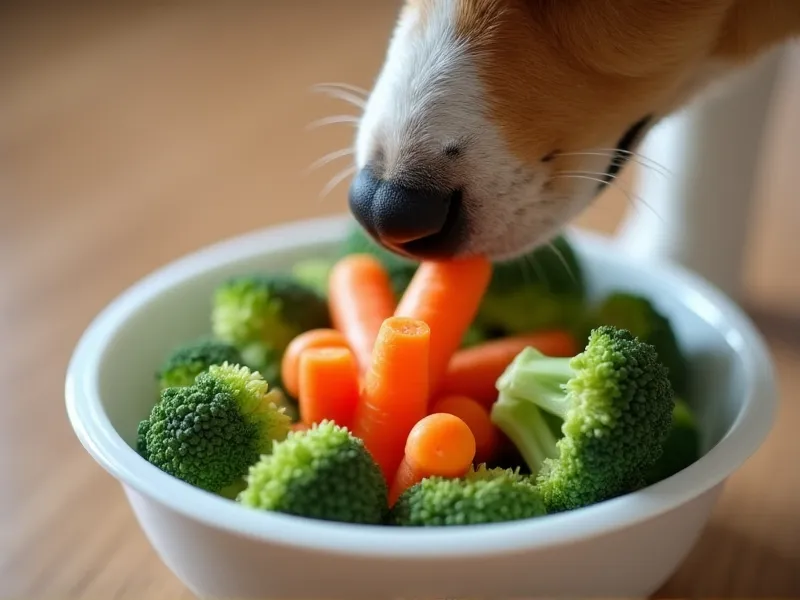
Table of Contents
- Can Dogs Eat Broccoli and Carrots? The Short Answer
- The Benefits: Why Broccoli and Carrots Are More Than Just Crunchy Snacks
- The Risks: What to Watch Out For
- How Much Can Dogs Eat? Guidelines by Size
- Healthier Alternatives (If Broccoli or Carrots Aren’t Right for Your Pup)
- FAQ: Your Top Questions Answered
- Conclusion: Moderation is Key
- References
Can Dogs Eat Broccoli and Carrots? The Short Answer
Yes! Both broccoli and carrots are safe for dogs to eat in moderation as part of a balanced diet. They’re low in calories, packed with nutrients, and make excellent occasional treats. However, there are caveats: preparation matters (chop them small!), portion control is critical, and some dogs may have sensitivities. Think of them as “healthy snacks,” not meal replacements—your dog’s main diet should still be high-quality commercial dog food or a vet-approved homemade diet.
The Benefits: Why Broccoli and Carrots Are More Than Just Crunchy Snacks
Let’s break down why these veggies deserve a spot in your dog’s treat rotation.
Broccoli: A Nutrient Powerhouse for Dogs
Broccoli isn’t just a “superfood” for humans—it’s pretty impressive for pups too! Here’s what makes it a great addition:
- Vitamins A, C, and K: Vitamin A supports eye health and a shiny coat; vitamin C boosts the immune system (dogs make some on their own, but extra helps fight infections); vitamin K aids blood clotting and bone health.
- Fiber: 1 cup of chopped broccoli has about 2.4 grams of fiber, which keeps your dog’s digestive system regular and helps them feel full (great for weight management!).
- Antioxidants: Compounds like lutein and zeaxanthin fight free radicals, reducing inflammation and lowering the risk of chronic diseases.
- Low calories: At just 55 calories per cup (chopped), broccoli is a guilt-free treat for dogs watching their waistlines.
Carrots: Nature’s Dental Chew with a Side of Vitamins
Carrots are a classic dog favorite for a reason—they’re crunchy, sweet, and loaded with benefits:
- Beta-carotene (vitamin A): Carrots are rich in beta-carotene, which the body converts to vitamin A. This is crucial for eye health (hello, night vision!), skin health, and a strong immune system.
- Potassium: This mineral regulates blood pressure, supports muscle function, and keeps the heart healthy.
- Fiber: 1 medium carrot has about 1.7 grams of fiber, aiding digestion and preventing constipation.
- Dental health: The crunch of raw carrots acts like a natural toothbrush, scraping plaque off teeth and reducing bad breath (win-win!).
- Low calories: A medium carrot is only ~25 calories, making it ideal for frequent, small treats.
The Risks: What to Watch Out For
While broccoli and carrots are generally safe, overdoing it or improper preparation can lead to issues. Here’s what to avoid:
Choking Hazards
Both veggies can pose choking risks if not prepared correctly:
- Broccoli: Florets can get stuck in small throats, and tough stems may be hard to chew. Always chop broccoli into bite-sized pieces (about the size of a pea for small dogs).
- Carrots: Whole carrots (especially large ones) can block airways. Slice them into rounds or sticks no longer than your thumb, or grate them for tiny pups.
Stomach Upset and Digestive Issues
Fiber is great—too much fiber is not. Overfeeding broccoli or carrots can cause:
- Gas and bloating: Broccoli contains raffinose, a sugar that ferments in the gut, leading to gassiness (your couch will thank you for moderation!).
- Diarrhea or constipation: Sudden increases in fiber can throw off your dog’s digestive balance. Start with tiny portions and see how they tolerate it.
Sugar and Weight Gain (Yes, Even in Veggies!)
Carrots are naturally sweet, thanks to sugars like sucrose and glucose. While this makes them tasty, overfeeding can lead to:
- Weight gain: Extra calories from sugar add up! A 10-pound dog only needs ~300 calories per day—10 large carrots would be ~250 calories, which is 80% of their daily intake!
- Diabetes risk: Dogs with diabetes or insulin resistance should limit high-sugar treats, including carrots.
Broccoli: Go Easy on the Stems
Broccoli stems are fibrous and can be hard to digest, even for large dogs. Stick to florets (chopped small!) and limit stems to avoid stomach upset.
How Much Can Dogs Eat? Guidelines by Size
The golden rule: Treats (including veggies) should make up no more than 10% of your dog’s daily calories. Here’s a rough guide based on weight:
| Dog Size | Broccoli (per day) | Carrots (per day) |
|---|---|---|
| Small (5–20 lbs) | 1–2 tbsp (chopped) | 1–2 small carrots (sliced) |
| Medium (21–50 lbs) | 2–3 tbsp (chopped) | 2–3 medium carrots (sliced) |
| Large (51+ lbs) | 3–4 tbsp (chopped) | 3–4 medium carrots (sliced) |
Pro tip: Mix veggies into meals or use them as training treats (small pieces work best!). Always adjust based on your dog’s activity level and health—active dogs can handle a bit more, while couch potatoes need less.
Healthier Alternatives (If Broccoli or Carrots Aren’t Right for Your Pup)
Not all dogs love broccoli or carrots, and some may have sensitivities. Here are equally nutritious alternatives:
- Green beans: Low-cal, high-fiber, and packed with vitamins A, C, and K. Great for crunch and weight management.
- Cucumber: 96% water, so hydrating and low in calories. No choking risk if sliced thin.
- Sweet potato (cooked): Rich in beta-carotene and fiber, but lower in sugar than carrots. Cooked (no skin!) is easier to digest.
- Zucchini: Mild, low-cal, and full of antioxidants. Shred or slice for a soft treat.
- Pumpkin (canned, plain): 100% pumpkin (not pie filling!) is a fiber hero for upset tummies.
FAQ: Your Top Questions Answered
Q: Can puppies eat broccoli and carrots?
A: Yes! Puppies can enjoy small amounts of chopped, cooked broccoli or carrots as they transition to solid foods (around 4–6 months). Start with tiny portions to avoid upsetting their sensitive tummies.
Q: Is cooked or raw better?
A: Both are safe! Raw carrots and broccoli are great for dental health, but cooking (steaming or boiling, no salt/butter) makes them easier to digest—ideal for dogs with sensitive stomachs or senior pups.
Q: Can dogs eat broccoli leaves?
A: Broccoli leaves are safe in small amounts, but they’re more bitter than florets. Most dogs prefer the florets, so stick to those to avoid waste.
Q: What if my dog ate too much broccoli/carrots?
A: Watch for signs of stomach upset (vomiting, diarrhea, gas). If it’s a one-time overindulgence, they’ll likely be fine in 24 hours. If symptoms persist, call your vet.
Q: Are there dogs who shouldn’t eat these veggies?
A: Dogs with kidney disease may need to limit potassium (carrots have ~320mg per cup), so check with your vet first. Diabetic dogs should avoid excessive carrots due to sugar.
Conclusion: Moderation is Key
Broccoli and carrots are fantastic, nutrient-dense treats that most dogs love. When prepared properly (chopped small!) and fed in moderation, they support your dog’s health, keep them happy, and add variety to their diet.
Remember: Every dog is different! What works for one pup may not work for another. If you’re unsure about portion sizes or your dog has health issues, always consult your vet. And most importantly—enjoy those tail wags when you hand over a crunchy, healthy snack!
References
- American Society for the Prevention of Cruelty to Animals (ASPCA). “People Foods to Avoid Feeding Your Pets.” aspca.org
- American Kennel Club (AKC). “Can Dogs Eat Carrots?” akc.org
- American College of Veterinary Nutrition (ACVN). “Nutrition for Dogs.” acvn.org
- PetMD. “Broccoli for Dogs: Benefits & Risks.” petmd.com