· 8 min read
Can Dogs Eat Broad Beans? A Pet Parent’s Guide to Safety, Benefits, and Risks
It’s a lazy Sunday morning, and you’re whipping up a batch of fresh broad bean toast—crunchy, buttery, and packed with that earthy, nutty flavor. Out of the corner of your eye, you spot your dog, Max, staring up at you with those big, hopeful eyes. His tail thumps a steady rhythm against the floor, as if he’s begging, “Share the beans, please?”
If you’ve ever found yourself in this scenario, you’re not alone. As pet parents, we want to treat our pups to the foods we love, but it’s crucial to know what’s safe. So, can dogs eat broad beans? Let’s dive into the details—from benefits to risks, portion sizes to healthier alternatives—to help you make the best choice for your furry friend.
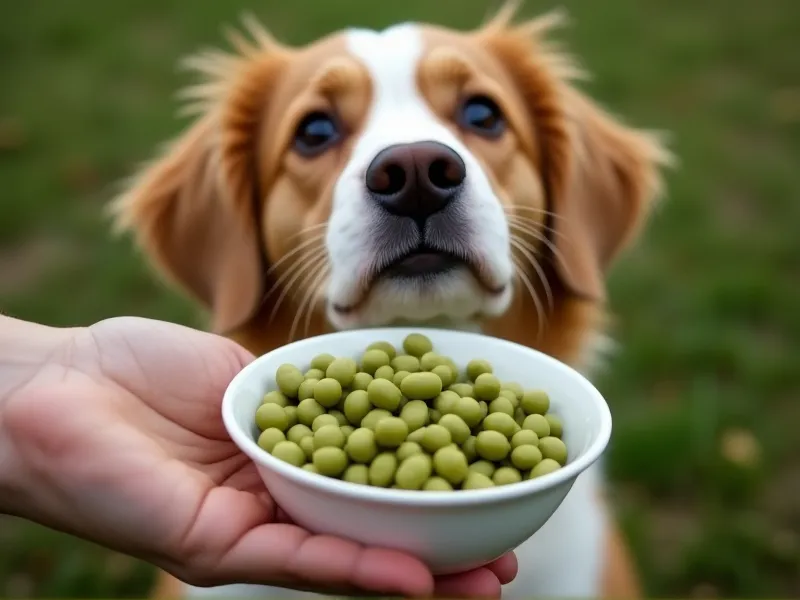
Table of Contents
- Can Dogs Eat Broad Beans? The Short Answer
- Nutritional Benefits of Broad Beans for Dogs
- Potential Risks of Feeding Broad Beans to Dogs
- Safe Feeding Guidelines: How Much Broad Bean is Too Much?
- Healthier Alternatives to Broad Beans for Dogs
- Frequently Asked Questions (FAQ)
- Conclusion: Treat Wisely, Consult Your Vet
- References
Can Dogs Eat Broad Beans? The Short Answer
Yes, dogs can eat small amounts of cooked, plain broad beans as an occasional treat.
Broad beans—also known as fava beans—are not toxic to dogs, but they’re not a “superfood” for pups either. When prepared properly (cooked, no added seasonings), they can offer some nutritional benefits. However, they come with risks like stomach upset, sugar content, and choking hazards if not fed carefully.
Think of broad beans like a “sometimes” snack, not a daily staple. And as with any new food, it’s best to start small and watch for signs of discomfort.
Nutritional Benefits of Broad Beans for Dogs
Broad beans are nutrient-dense for humans, and in moderation, they can offer similar perks for dogs. Let’s break down the key nutrients and how they support your pup’s health:
Fiber: Supporting Digestive Health
Cooked broad beans are rich in dietary fiber (about 9 grams per cup, cooked). Fiber is a superhero for your dog’s gut:
- Aids digestion: Helps regulate bowel movements, preventing constipation and diarrhea.
- Supports satiety: Keeps your dog feeling full longer, which can help with weight management (great for pups prone to begging!).
Just beware: Too much fiber too fast can backfire (more on that in the “Risks” section!).
Potassium: A Boost for Heart and Muscle Function
Potassium is an essential mineral for dogs, and broad beans are a solid source (around 1,000 mg per cup, cooked). This mineral:
- Supports heart health: Helps maintain a steady heartbeat and healthy blood pressure.
- Aids muscle function: Critical for movement, from zoomies in the yard to climbing stairs.
- Balances fluids: Regulates electrolyte levels, keeping your dog hydrated and energized.
Vitamins and Minerals: B Vitamins, Iron, and More
Broad beans also pack small amounts of:
- B vitamins (thiamine, folate): Support energy metabolism and brain function.
- Iron: Helps red blood cells carry oxygen, keeping your dog active and alert.
- Magnesium: Supports bone health and nerve function.
These nutrients are great, but remember: Dogs get most of their essential vitamins and minerals from a balanced commercial dog food. Broad beans are just a bonus, not a replacement.
Potential Risks of Feeding Broad Beans to Dogs
While broad beans aren’t toxic, they’re not risk-free. Here’s what to watch out for:
Sugar Content: Moderation is Key
Broad beans contain natural sugars (about 10 grams per cup, cooked). For most dogs, a small amount won’t cause issues, but over time, excess sugar can lead to:
- Weight gain: Extra calories from sugar add up, increasing the risk of obesity.
- Diabetes: Chronic high sugar intake may contribute to insulin resistance (though this is rare in dogs with a balanced diet).
Stick to tiny portions—think “treat size,” not “side dish.”
Stomach Upset: Gas, Bloating, and Diarrhea
Dogs’ digestive systems aren’t built to handle large amounts of legumes like broad beans. The fiber and oligosaccharides (complex sugars) in beans can ferment in the gut, leading to:
- Gas and bloating: Uncomfortable for your dog (and smelly for you!).
- Diarrhea or soft stools: Too much fiber can irritate the intestines, especially in sensitive pups.
If your dog has a history of digestive issues (like IBS), skip the broad beans altogether.
Choking Hazard: Size and Preparation Matter
Whole broad beans are round and firm—perfect for getting stuck in a dog’s throat, especially small breeds (think Chihuahuas, Yorkies) or dogs who gulp food without chewing. Even cooked, they can pose a choking risk or block the intestines (a life-threatening emergency).
Always chop broad beans into small, bite-sized pieces before feeding. Better safe than sorry!
Lectins in Raw Beans: A Hidden Danger?
Raw or undercooked broad beans contain lectins—proteins that can irritate the gut and cause vomiting, diarrhea, or abdominal pain in dogs. Cooking neutralizes lectins, so never feed raw broad beans to your pup.
Pro tip: Soak dried broad beans overnight, then boil them until soft (no salt or oil!) to ensure lectins are destroyed. Canned broad beans are okay too, but rinse them first to remove excess sodium.
Safe Feeding Guidelines: How Much Broad Bean is Too Much?
If you want to share a few broad beans with your dog, follow these rules:
1. Cook them thoroughly
Raw = risky (lectins!). Boil, steam, or bake until soft—no added salt, butter, garlic, or spices (these are toxic to dogs!).
2. Keep portions tiny
- Small dogs (under 20 lbs): 1–2 chopped tablespoons per week.
- Medium dogs (20–50 lbs): 2–3 chopped tablespoons per week.
- Large dogs (50+ lbs): 3–4 chopped tablespoons per week.
Remember: This is a treat, not a meal. Overfeeding = stomach upset!
3. Introduce slowly
Start with 1–2 chopped beans and wait 24 hours. If your dog has no gas, diarrhea, or vomiting, you can gradually increase (but still stick to the portion limits above).
4. Avoid if your dog has health issues
Skip broad beans if your dog has diabetes, kidney disease, or digestive sensitivities. Check with your vet first if unsure.
Healthier Alternatives to Broad Beans for Dogs
If you’re looking for safer, more dog-friendly snacks, try these alternatives—vets love ’em!
Green Beans
- Why they’re great: Low in calories, high in fiber, and packed with vitamins A, C, and K. No sugar concerns, and they’re easy to digest.
- How to serve: Steamed or raw (chopped for small dogs), plain.
Carrots
- Why they’re great: Crunchy, low-calorie, and full of beta-carotene (supports eye health). Chewing raw carrots even helps clean teeth!
- How to serve: Raw (sliced into sticks) or cooked, plain.
Sweet Potatoes
- Why they’re great: Rich in fiber, vitamins A and C, and potassium (like broad beans, but safer!).
- How to serve: Baked or boiled, mashed or diced, no added sugar.
Blueberries
- Why they’re great: Antioxidant powerhouses that support immune health. Low in calories and sugar.
- How to serve: Fresh or frozen, as a cool summer treat.
Frequently Asked Questions (FAQ)
Can dogs eat raw broad beans?
No. Raw broad beans contain lectins, which can cause stomach upset, vomiting, or diarrhea. Always cook them thoroughly.
Can dogs eat canned broad beans?
Yes, in moderation. Rinse canned broad beans to remove excess salt, then chop and serve plain. Avoid cans with added sauces or seasonings.
What if my dog ate too many broad beans?
Monitor for signs of discomfort: bloating, gas, diarrhea, vomiting, or lethargy. If symptoms are severe or last more than 24 hours, contact your vet—excess beans can lead to dehydration or intestinal blockages.
Are broad beans the same as fava beans?
Yes! Broad beans and fava beans are two names for the same legume. The safety guidelines above apply to both.
Can puppies eat broad beans?
It’s best to wait. Puppies have sensitive digestive systems, and introducing new foods (like broad beans) can cause stomach upset. Stick to their puppy food until they’re at least 6 months old, then ask your vet if treats are okay.
Conclusion: Treat Wisely, Consult Your Vet
Broad beans can be a safe, occasional treat for dogs—if fed cooked, chopped, and in tiny amounts. They offer fiber, potassium, and vitamins, but come with risks like stomach upset and choking hazards.
For most pet parents, though, safer alternatives like green beans, carrots, or sweet potatoes are better bets. These snacks are lower-risk, more nutrient-dense for dogs, and less likely to cause digestive issues.
As always, when in doubt, consult your vet. They know your dog’s unique health needs and can help you decide if broad beans (or any new food) are a good fit.
At the end of the day, the best treat you can give your pup is love, playtime, and a balanced diet. But if you do share a few chopped, cooked broad beans? Just make sure Max (or your own fur baby) chews slowly—and save the toast for yourself.
References
- American Kennel Club (AKC). “Can Dogs Eat Beans? Here’s What You Need to Know.” akc.org
- PetMD. “Human Foods Dogs Can and Cannot Eat.” petmd.com
- Veterinary Centers of America (VCA). “Dietary Fiber for Dogs: Why It Matters.” vcahospitals.com
- Cummings School of Veterinary Medicine at Tufts University. “Legumes in Dog Food: Benefits and Risks.” tuftscvm.org