· 6 min read
Can Dogs Eat Brisket? A Pet Parent’s Guide to Sharing BBQ Favorites Safely
It’s a warm weekend, and the grill is sizzling. The scent of slow-cooked brisket—smoky, tender, and rich—fills your backyard. As you lean in to check on the meat, you feel a soft nudge at your ankle: your dog, tail thumping, nose twitching, eyes locked on that juicy slab. “Just a tiny bite?” they seem to beg. If you’ve ever found yourself here, you’re not alone. Brisket is a BBQ staple, but is it safe to share with your furry friend?
Dogs are curious eaters, and their begging eyes can be hard to resist. But when it comes to human foods, not everything on our plates is safe for them. In this guide, we’ll answer the burning question: Can dogs eat brisket? We’ll break down the benefits, risks, portion guidelines, and healthier alternatives to help you make informed choices for your pup. Let’s dive in!
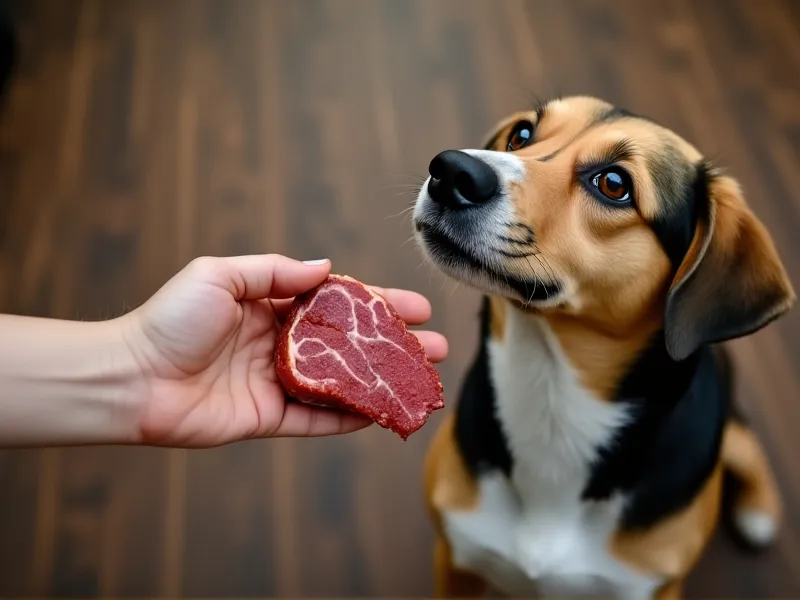
Table of Contents
- Can Dogs Eat Brisket? The Short Answer
- Nutritional Benefits of Brisket for Dogs
- Potential Risks of Feeding Brisket to Dogs
- How Much Brisket Can Dogs Safely Eat?
- Healthier Alternatives to Brisket
- FAQ: Common Questions About Dogs and Brisket
- Conclusion: Enjoy Responsibly
- References
Can Dogs Eat Brisket? The Short Answer
Yes, dogs can eat plain, cooked brisket in moderation—but with important caveats. Brisket itself is a protein-rich cut of beef that can offer some nutritional benefits. However, it’s not without risks: seasonings, bones, excess fat, and improper preparation can turn this treat into a hazard.
The key here is plain (no spices, sauces, or additives) and cooked (raw meat carries bacterial risks). Even then, it should only be an occasional treat, not a regular part of their diet. Let’s unpack the details.
Nutritional Benefits of Brisket for Dogs
When prepared safely, brisket can be a nutrient-dense addition to your dog’s treat rotation. Here’s why it might be worth sharing (in small amounts!):
1. High-Quality Protein
Brisket is a muscle cut, so it’s packed with animal-based protein—essential for dogs, as they need amino acids from meat to build and repair muscles, support immune function, and maintain healthy skin and coat. A 3-ounce serving of cooked, lean brisket contains about 26 grams of protein, making it a solid source for active pups (USDA FoodData Central).
2. Essential Minerals
Brisket is rich in minerals like:
- Iron: Supports red blood cell production, preventing anemia.
- Zinc: Boosts immune health and aids in wound healing.
- Potassium: Helps regulate heart function and muscle contractions.
3. B Vitamins
It also provides B vitamins (B12, niacin, riboflavin), which are critical for energy metabolism and brain health. For example, B12 helps maintain nerve function, while niacin supports healthy skin.
4. Collagen (From Connective Tissue)
Brisket has connective tissue that, when slow-cooked, breaks down into gelatin. Collagen (found in gelatin) may support joint health and gut function, though more research is needed on its benefits for dogs specifically.
Potential Risks of Feeding Brisket to Dogs
While brisket has perks, it’s not without dangers. Here are the biggest risks to watch for:
1. Seasonings and Sauces
Most brisket we eat is seasoned—think garlic, onion, salt, pepper, paprika, or BBQ sauce. These are toxic or harmful to dogs:
- Onion/garlic: Even small amounts can damage red blood cells, leading to anemia (ASPCA).
- Salt: Excess salt causes sodium ion poisoning, leading to vomiting, diarrhea, seizures, or even death.
- BBQ sauce: High in sugar (linked to obesity and dental decay) and spices that irritate doggy tummies.
Rule of thumb: Only share plain brisket with no added ingredients.
2. Bones
Brisket bones (or any cooked bones) are a major choking hazard. They splinter easily, sharp fragments can tear the throat, stomach, or intestines, and small bones can block the digestive tract. Even large bones pose risks—dogs may chew off chunks that get stuck.
3. High Fat Content
Brisket is a fatty cut (especially if not trimmed). Too much fat can cause:
- Pancreatitis: A painful, life-threatening condition where the pancreas becomes inflamed. Symptoms include vomiting, diarrhea, lethargy, and loss of appetite (VCA Animal Hospitals).
- Stomach upset: Gas, diarrhea, or vomiting from sudden fat overload.
4. Raw or Undercooked Brisket
Raw meat may contain harmful bacteria like E. coli or Salmonella, which can sicken both dogs and humans. While some advocate for raw diets, most vets caution against them due to contamination risks (American Kennel Club (AKC)).
How Much Brisket Can Dogs Safely Eat?
Moderation is key! Brisket should make up no more than 10% of your dog’s daily calories (the rest should come from their balanced dog food). Here’s a rough guide based on size:
| Dog Size | Recommended Portion (Cooked, Lean Brisket) | Frequency |
|---|---|---|
| Small (10-20 lbs) | 1-2 small cubes (about 10-15g) | Once weekly |
| Medium (30-50 lbs) | 2-3 cubes (20-30g) | Once weekly |
| Large (60+ lbs) | 3-4 cubes (30-40g) | Once every 5-7 days |
Safety Steps for Serving:
- Cook thoroughly: No pink meat—aim for an internal temperature of 160°F to kill bacteria.
- Trim fat and remove bones: Fat increases pancreatitis risk; bones are choking hazards.
- Skip seasonings: No salt, pepper, garlic, or sauce—plain is best.
- Monitor for reactions: After the first serving, watch for vomiting, diarrhea, or lethargy. If these occur, stop feeding brisket and consult your vet.
Healthier Alternatives to Brisket
If you want to treat your dog but prefer lower-risk options, these alternatives are leaner, safer, or more nutrient-dense:
1. Lean Beef Cuts
Opt for sirloin or round steak instead of brisket—they’re lower in fat but still high in protein.
2. Chicken or Turkey Breast
Skinless, cooked chicken/turkey is a vet favorite: lean, easy to digest, and packed with protein.
3. Salmon (Cooked)
Rich in omega-3 fatty acids, which support joint and skin health. Avoid raw or smoked salmon (risk of parasites).
4. Veggie Treats
Carrots, green beans, or sweet potato (cooked) are low-calorie, fiber-rich options for dogs watching their weight.
FAQ: Common Questions About Dogs and Brisket
Q: Can dogs eat smoked brisket?
A: Smoked brisket often has added salt, spices, or smoke flavorings (some of which may be toxic). Plus, the smoking process can make the meat too salty. It’s safer to avoid.
Q: My dog ate brisket bones—what should I do?
A: Contact your vet immediately. Bones can splinter or block the intestines. Watch for signs like choking, gagging, vomiting, or lethargy.
Q: Is corned beef brisket safe for dogs?
A: No. Corned beef is cured with salt, nitrates, and spices, all of which are harmful to dogs.
Q: Can puppies eat brisket?
A: Puppies have sensitive tummies. Stick to small, plain portions (even smaller than adult dogs) and consult your vet first, especially if they’re under 6 months old.
Conclusion: Enjoy Responsibly
Brisket can be a tasty, occasional treat for dogs—when served plain, cooked, and in moderation. But it’s not worth the risk if you’re unsure about seasonings, bones, or your dog’s health (e.g., pancreatitis, obesity).
As a pet parent, your best bet is to prioritize their balanced dog food and use human foods as supplements, not staples. When in doubt, consult your vet—they know your dog’s unique needs best.
So next time you fire up the grill, feel free to share a tiny, plain piece with your pup. Just remember: a little goes a long way, and their wagging tail will thank you!
References
- American Kennel Club (AKC). (2023). Human Foods Dogs Can and Can’t Eat. akc.org
- ASPCA. (2023). Toxic and Non-Toxic Plants: Onion. aspca.org
- USDA FoodData Central. (2023). Brisket, beef, lean only, cooked. fdc.nal.usda.gov
- VCA Animal Hospitals. (2023). Pancreatitis in Dogs. vcahospitals.com