· 7 min read
Can Dogs Eat Bread and Butter? A Pet Parent’s Guide to Safe Treats
Picture this: You’re enjoying a lazy Sunday morning, munching on a warm slice of toast slathered in butter, when your furry sidekick trots over, tail wagging, eyes locked on your plate. “Just a tiny bite?” you wonder. After all, bread and butter seem harmless—they’re staples in our diets, right? But as a responsible pet parent, you pause. Is this human food safe for my dog?
If you’ve ever asked yourself, “Can dogs eat bread and butter?” you’re not alone. Many pet owners wonder about sharing table scraps, especially common foods like bread. In this guide, we’ll break down the facts: the potential benefits (yes, there are a few!), the risks to watch for, how much (if any) is safe, and healthier alternatives to keep your pup happy and healthy.
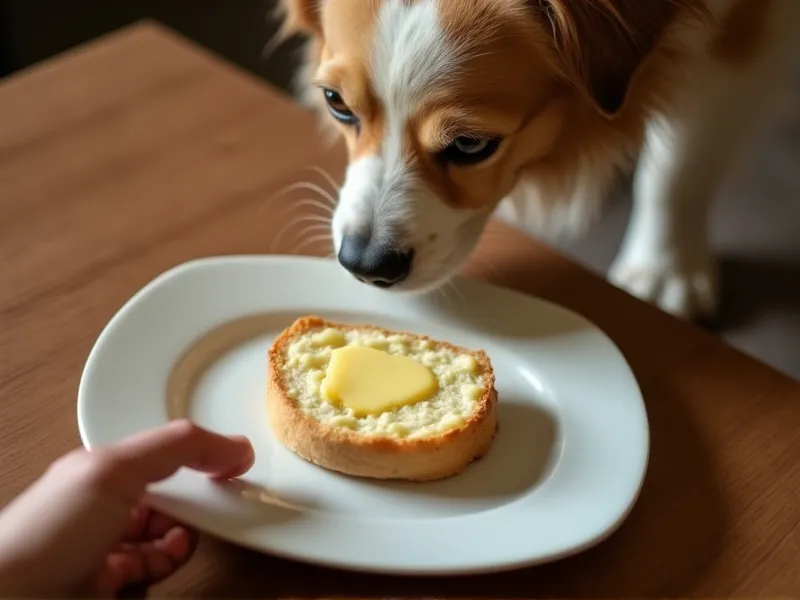
Table of Contents
- The Short Answer: Can Dogs Eat Bread and Butter?
- Potential Benefits of Bread for Dogs (Spoiler: They’re Minimal)
- The Risks: Why Bread and Butter Can Be Problematic
- Guidelines: How Much Bread and Butter Is Safe?
- Healthier Alternatives to Bread and Butter
- FAQ: Your Most Pressing Questions Answered
- Conclusion: Moderation Is Key
- References
The Short Answer: Can Dogs Eat Bread and Butter?
Yes, but only in very small, occasional amounts—and with big caveats.
Plain, unseasoned bread (think: a plain slice of white or whole wheat with no added sugar, salt, or toppings) is generally non-toxic to dogs. However, it offers little nutritional value. Butter, on the other hand, is high in fat and calories, which can lead to health issues if fed regularly.
The bottom line: Bread and butter should never be a staple in your dog’s diet. At best, they’re a “sometimes” treat. At worst, overindulgence can cause digestive upset, obesity, or even more serious conditions like pancreatitis.
Potential Benefits of Bread for Dogs (Spoiler: They’re Minimal)
Let’s start with the good news: Bread isn’t all bad. In small quantities, plain bread can offer a few minor perks:
1. Trace Nutrients
Whole grain bread may contain small amounts of fiber, B vitamins (like thiamine and niacin), and iron—nutrients that support energy levels and digestion. However, these are already present in high-quality dog food, so bread isn’t a necessary source.
2. Fiber (for Constipation)
A tiny piece of whole wheat bread might help soothe mild constipation in dogs, thanks to its fiber content. But this is a temporary fix—not a substitute for a balanced diet rich in dog-safe fiber sources like pumpkin or sweet potato.
3. Comfort Food (for Picky Eaters)
If your dog is under the weather and refusing food, a small bite of plain bread can sometimes entice them to eat. Think of it as the canine equivalent of chicken noodle soup for humans—calming, easy to digest, and familiar.
But here’s the catch: These benefits are minimal. Bread is mostly empty calories compared to nutrient-dense dog foods or healthier treats. And when paired with butter? The scales tip even further toward risk.
The Risks: Why Bread and Butter Can Be Problematic
While a tiny bite of bread and butter is unlikely to harm your dog, regular or large servings pose several risks. Let’s break them down:
Sugar and Additives in Bread
Many store-bought breads contain added sugar, high-fructose corn syrup, or artificial sweeteners (like xylitol). Xylitol is extremely toxic to dogs, even in small amounts, and can cause seizures, liver failure, or death (ASPCA, 2023).
Even “sugar-free” breads may use xylitol, so always check the label. Other additives like preservatives or excessive salt can also irritate your dog’s stomach.
Butter: High Fat, High Risks
Butter is 80-90% fat—mostly saturated fat. While dogs need some fat in their diet, butter is a concentrated source that can lead to:
- Obesity: Extra calories from butter add up quickly. Over time, obesity increases the risk of diabetes, joint pain, and heart disease.
- Pancreatitis: A life-threatening condition where the pancreas becomes inflamed. Fatty foods like butter are a top trigger, causing symptoms like vomiting, diarrhea, and lethargy (PetMD, 2023).
Toxic Extras: Raisins, Garlic, and More
Bread isn’t always plain! Avoid feeding dogs bread with:
- Raisins or grapes: Toxic to dogs and can cause kidney failure (AKC, 2023).
- Garlic, onions, or chives: These damage red blood cells and cause anemia.
- Seeds or nuts: Choking hazards, and some nuts (like macadamia) are toxic.
Choking Hazards
Bread can get dry and crusty, making it a choking risk—especially for small dogs or dogs who gulp food. Large pieces can also get stuck in the throat or cause intestinal blockages.
Stomach Upset and Digestive Issues
Dogs have sensitive digestive systems. Sudden rich foods like butter or large amounts of bread can lead to:
- Diarrhea
- Vomiting
- Gas or bloating
- Stomach pain
Puppies, senior dogs, or dogs with pre-existing conditions (like IBS) are even more vulnerable.
Guidelines: How Much Bread and Butter Is Safe?
If you want to share a tiny treat with your dog, follow these rules:
1. Keep Portions Tiny
- Small dogs (under 20 lbs): A piece of bread the size of a dime, without butter.
- Medium dogs (20–50 lbs): A piece the size of a quarter, without butter.
- Large dogs (50+ lbs): A piece the size of a half-dollar, without butter.
Butter should be avoided entirely, or used only once in a blue moon (think: a microscopic dab on the bread).
2. Stick to Plain Bread
Choose unseasoned, unsweetened bread with no added toppings (no raisins, garlic, etc.). Whole wheat is slightly better than white, but still not a nutritional powerhouse.
3. Frequency: Rarely
Bread and butter should be an occasional treat—not a daily snack. Aim for once a month at most.
4. Never Replace Dog Food
Bread and butter have no place in your dog’s regular diet. High-quality dog food is formulated to meet all their nutritional needs, so treats should make up no more than 10% of their daily calories (AAFCO, 2020).
Healthier Alternatives to Bread and Butter
Instead of sharing your toast, opt for these dog-safe treats that are actually good for them:
1. Plain Pumpkin (Canned, No Sugar)
High in fiber and beta-carotene, pumpkin soothes digestion and supports eye health.
2. Sweet Potato
Baked or boiled sweet potato is packed with vitamins A and C, plus fiber.
3. Apples (No Seeds or Core)
Crunchy and low in calories, apples offer fiber and vitamin C.
4. Carrots
A classic! Carrots are great for dental health (they scrape plaque) and full of vitamin A.
5. Plain Rice or Oatmeal
Cooked, unseasoned rice or oatmeal can settle an upset stomach—better than bread for this purpose.
These alternatives are low in calories, high in nutrients, and far safer than bread and butter.
FAQ: Your Most Pressing Questions Answered
Q: Can dogs eat whole wheat bread?
A: Yes, in tiny amounts. Whole wheat has slightly more fiber than white bread, but it’s still not a necessary part of their diet. Avoid if your dog has a wheat allergy.
Q: My dog stole a whole slice of bread with butter! What should I do?
A: Monitor them for 24 hours. Symptoms like vomiting, diarrhea, or lethargy could signal pancreatitis or upset stomach. If they show signs, call your vet immediately.
Q: Is butter toxic to dogs?
A: No, but it’s high in fat and can cause pancreatitis or obesity if overfed. A tiny lick won’t hurt, but avoid regular servings.
Q: Can puppies eat bread and butter?
A: Puppies have sensitive stomachs and are still developing. It’s best to skip bread and butter entirely—stick to puppy-safe treats like small pieces of cooked chicken.
Q: What about gluten-free bread?
A: Gluten-free bread is safe in small amounts, but it’s often higher in sugar or additives. It offers no benefits over regular bread for dogs (unless they have a gluten allergy, which is rare).
Conclusion: Moderation Is Key
So, can dogs eat bread and butter? Technically, yes—but it’s not worth the risk for the minimal payoff. A tiny, plain piece of bread once in a while is unlikely to harm your dog, but butter should be avoided, and neither should ever replace their balanced diet.
When in doubt, ask your vet. They know your dog’s health history and can advise on safe treats. And remember: The best way to show your dog love isn’t through table scraps—it’s through play, snuggles, and a diet that keeps them happy and healthy for years to come.
References
- American Society for the Prevention of Cruelty to Animals (ASPCA). (2023). Xylitol Toxicity in Dogs. https://www.aspca.org/pet-care/animal-poison-control/toxic-and-non-toxic-plants/xylitol
- American Kennel Club (AKC). (2023). Are Grapes and Raisins Toxic to Dogs? https://www.akc.org/expert-advice/health/are-grapes-and-raisins-toxic-to-dogs/
- Association of American Feed Control Officials (AAFCO). (2020). What Is AAFCO? https://www.aafco.org/About/What-is-AAFCO
- PetMD. (2023). Pancreatitis in Dogs. https://www.petmd.com/dog/conditions/digestive/c_dg_pancreatitis