· 7 min read
Can Dogs Eat Boneless Pork Chops? Benefits, Risks & Safe Feeding Guide
It’s a lazy Saturday evening, and you’re savoring a plate of perfectly grilled boneless pork chops. The smell of rosemary and garlic (okay, maybe just your garlic) fills the room, and your dog—ever the food detective—plops down at your feet, tail thumping a rapid beat. Their big, pleading eyes seem to say, “C’mon, share the love!” You pause, fork mid-air. Is this safe? Can dogs eat boneless pork chops, or is this a recipe for an upset stomach (or worse)?
If you’ve ever asked this question, you’re in good company. As pet parents, we want to treat our pups, but we also need to keep them healthy. In this guide, we’ll break down everything you need to know: the short answer, nutritional benefits, hidden risks, safe feeding guidelines, healthier alternatives, and even a quick FAQ to cover your bases. Let’s dig in!
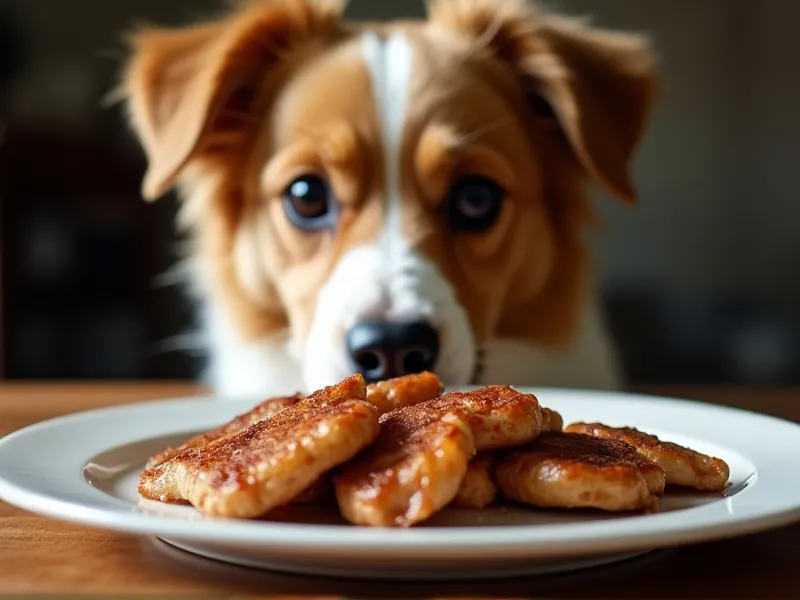
Table of Contents
- Can Dogs Eat Boneless Pork Chops? The Short Answer
- Nutritional Benefits of Boneless Pork Chops for Dogs
- Potential Risks of Feeding Boneless Pork Chops to Dogs
- How Much Boneless Pork Chop Can Dogs Safely Eat?
- Healthier Alternatives to Boneless Pork Chops
- FAQ: Your Boneless Pork Chop Questions Answered
- Conclusion: Enjoy Responsibly!
Can Dogs Eat Boneless Pork Chops? The Short Answer
Yes, dogs can eat boneless pork chops—but only if they’re prepared safely.
The key here is preparation. Boneless pork chops can be a tasty, protein-packed treat for your pup when:
- They’re fully cooked (no pink meat!).
- They’re lean (trimmed of excess fat).
- They’re unseasoned (no garlic, onion, salt, spices, or sauces).
- They’re cut into small, bite-sized pieces to avoid choking.
Raw, undercooked, fatty, or seasoned pork chops, however, pose serious risks. Let’s unpack why.
Nutritional Benefits of Boneless Pork Chops for Dogs
Pork is more than just a delicious human meal—it offers some solid nutritional perks for dogs when served right. Here’s what makes lean, cooked boneless pork chops a (occasional) win:
1. High-Quality Protein
Protein is the backbone of your dog’s diet, supporting muscle growth, tissue repair, and a healthy coat. A 3-ounce serving of cooked, lean pork chop delivers about 22 grams of protein—comparable to chicken or beef. This makes it a great way to boost your pup’s protein intake, especially if they’re a picky eater or need extra energy (think active dogs or working breeds).
2. Essential Vitamins (B Vitamins Galore!)
Pork is rich in B vitamins, including:
- Thiamine (B1): Supports brain function and energy metabolism.
- Riboflavin (B2): Aids in red blood cell production and healthy skin.
- Niacin (B3): Keeps the digestive and nervous systems running smoothly.
- B6 & B12: Critical for cognitive function and preventing anemia.
These vitamins work together to keep your dog’s energy levels up and their organs happy.
3. Minerals for Overall Health
Boneless pork chops also pack minerals like:
- Zinc: Boosts immune function and helps with wound healing.
- Selenium: An antioxidant that protects cells from damage.
- Potassium: Supports heart health and muscle function (important for active pups!).
- Iron: Helps transport oxygen in the blood (though not as high as red meat like beef).
Potential Risks of Feeding Boneless Pork Chops to Dogs
While boneless pork chops can be a safe treat, they come with some hidden dangers if not prepared carefully. Let’s break down the risks:
1. High Fat Content = Pancreatitis Risk
Pork chops (especially those with visible fat or marbling) are high in fat. Dogs can’t digest large amounts of fat well, and it can trigger pancreatitis—a painful, potentially life-threatening inflammation of the pancreas. Symptoms include vomiting, diarrhea, lethargy, and abdominal pain. Even a small fatty chunk can be risky for dogs prone to pancreatitis (like obese dogs or certain breeds, e.g., Miniature Schnauzers).
2. Toxic Seasonings & Additives
Garlic, onion, salt, pepper, and other spices are toxic to dogs. Even a sprinkle of garlic powder on your pork chop can damage your dog’s red blood cells, leading to anemia. Salt overload can cause sodium ion poisoning (symptoms: vomiting, diarrhea, seizures). Sauces (like BBQ, teriyaki, or honey mustard) often add sugar, which contributes to obesity and dental issues.
3. Undercooked Pork = Parasite Risk
Raw or undercooked pork can harbor Trichinella spiralis, a parasite that causes trichinosis. Symptoms in dogs include muscle pain, fever, vomiting, and weakness. While trichinosis is rare in commercial pork (thanks to modern farming practices), it’s not worth the risk. Always cook pork to an internal temperature of 145°F (63°C) to kill parasites.
4. Choking Hazard (Even Boneless!)
Boneless doesn’t mean “choke-proof.” Large chunks of pork can get stuck in your dog’s throat, especially if they’re a fast eater. Always cut pork chops into small, manageable pieces—about the size of a dime for small dogs, nickel for medium dogs, and quarter for large breeds.
How Much Boneless Pork Chop Can Dogs Safely Eat?
Moderation is key! Boneless pork chops should never replace your dog’s balanced, species-appropriate dog food. Instead, treat them as an occasional snack—no more than 10% of your dog’s daily calories.
Here’s a rough guide based on size:
- Toy breeds (e.g., Chihuahua, Yorkie): 1–2 small bites (about 1 teaspoon cooked, lean pork).
- Small breeds (e.g., Beagle, Shih Tzu): 1–2 tablespoons (chopped into tiny pieces).
- Medium breeds (e.g., Cocker Spaniel, Bulldog): ¼ cup (cooked, trimmed of fat).
- Large breeds (e.g., Lab, German Shepherd): ½ cup (cooked, lean).
Frequency: Once or twice a week at most. Feeding pork daily can lead to weight gain or nutrient imbalances.
Pro tip: Always introduce new foods slowly. Start with a tiny piece and watch for signs of upset (vomiting, diarrhea, gas) for 24 hours. If all goes well, you can gradually increase the portion (within limits!).
Healthier Alternatives to Boneless Pork Chops
If you want to spoil your pup but prefer lower-risk options, try these lean, dog-safe proteins:
1. Chicken Breast (Skinless, Cooked)
Chicken is a staple in many dog foods for a reason: it’s low in fat, high in protein, and easy to digest. Bonus: It’s usually cheaper than pork!
2. Turkey (Lean Ground or Breast)
Turkey is another lean option, rich in tryptophan (which helps regulate mood) and B vitamins. Just avoid deli turkey (high in salt).
3. Salmon (Cooked, No Bones)
Salmon is packed with omega-3 fatty acids, which support joint health and a shiny coat. Opt for wild-caught when possible (lower mercury).
4. Lean Beef (Chuck or Round Steak)
Beef is high in iron and zinc, but choose lean cuts (trimmed of fat) to avoid pancreatitis risk.
5. Pork Tenderloin (Even Leaner Than Chops!)
If you love pork, pork tenderloin is leaner than chops (about 3 grams of fat per 3-ounce serving vs. 7 grams in chops). It’s a better choice for pups watching their waistline.
FAQ: Your Boneless Pork Chop Questions Answered
Q: Can dogs eat pork chop bones?
A: No! Even “boneless” pork chops can have tiny bone fragments (e.g., from trimming). Cooked bones splinter easily and can puncture the digestive tract or cause blockages. Stick to boneless, and always check for hidden bones.
Q: What if my dog ate seasoned pork chops (garlic, onion, or sauce)?
A: Contact your vet immediately. Garlic and onion contain thiosulphate, which is toxic to dogs (even in small amounts). Symptoms of poisoning include vomiting, diarrhea, and pale gums. Salt or sugar in sauces can also cause issues like sodium ion poisoning or obesity.
Q: Is smoked or cured pork (e.g., bacon, ham) safe for dogs?
A: No. Smoked/cured pork is high in salt, nitrates, and preservatives—all harmful to dogs. Bacon, in particular, is loaded with fat, which can trigger pancreatitis.
Q: Can puppies eat boneless pork chops?
A: Puppies have sensitive tummies, so proceed with caution. Stick to tiny portions (even smaller than adult dogs) and only if they’re at least 4 months old (when their digestive systems are more mature). Always consult your vet first.
Conclusion: Enjoy Responsibly!
So, can dogs eat boneless pork chops? Yes—but with strict rules: cooked, lean, unseasoned, and in tiny portions. When prepared safely, they’re a tasty way to bond with your pup (and let’s be real, those puppy eyes are hard to resist!).
Remember, every dog is different. If your pup has health issues (like pancreatitis, kidney disease, or allergies), ask your vet before sharing pork. And when in doubt, stick to their regular dog food—it’s formulated to meet all their nutritional needs.
Here’s to happy, healthy pups (and the occasional pork chop treat)! 🐾
References
- American Society for the Prevention of Cruelty to Animals (ASPCA). People Foods to Avoid Feeding Your Pets. aspca.org/pet-care/animal-poison-control/people-foods-avoid-feeding-your-pets
- American Veterinary Medical Association (AVMA). Nutrition for Dogs. avma.org/resources/pet-owners/nutrition/nutrition-dogs
- Centers for Disease Control and Prevention (CDC). Trichinellosis. cdc.gov/parasites/trichinellosis/index.html
- American Kennel Club (AKC). Human Foods Dogs Can and Can’t Eat. akc.org/expert-advice/nutrition/human-foods-dogs-can-and-cant-eat