· 7 min read
Can Dogs Eat Bone? The Surprising Truth Every Pet Parent Needs to Know
It’s a familiar scene: You’re cleaning up after dinner, and your dog—let’s call her Luna—trots over, tail thumping, nose twitching at the leftover chicken bone on your plate. “Surely a bone is a dog’s best friend,” you think. After all, cartoons and old movies show dogs happily gnawing on bones for hours. But before you toss that bone to Luna, there’s a critical question to answer: Can dogs actually eat bone?
The short answer? It’s complicated. While bones can offer some benefits, they also come with serious risks—risks that could land your pup in the vet’s office. In this guide, we’ll break down the facts, so you can make the safest choice for your furry family member.
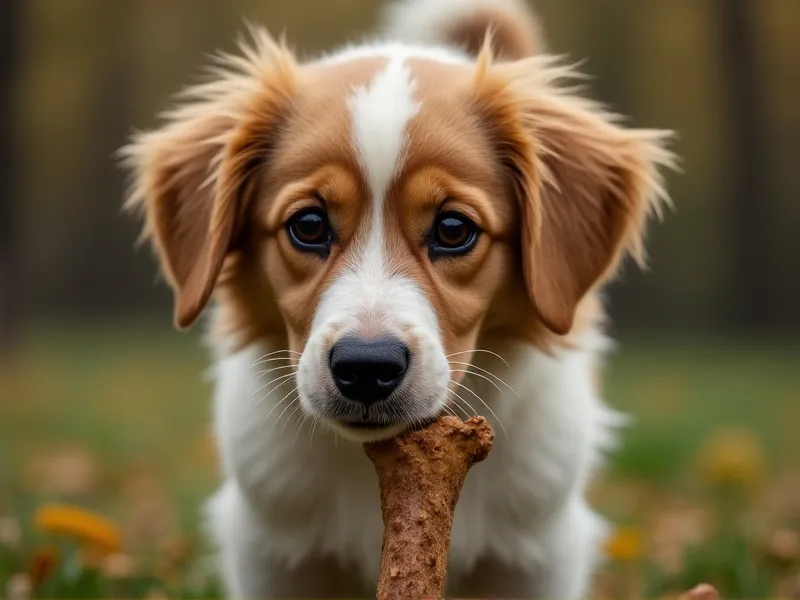
Table of Contents
- The Big Question: Can Dogs Eat Bone?
- Potential Benefits of Bones for Dogs
- The Risks: Why Bones Aren’t Always Safe
- Guidelines: How to Safely Give Bones (If You Choose To)
- Healthier Alternatives to Bones
- FAQ: Your Bone-Related Questions Answered
- Conclusion: Prioritize Safety and Moderation
The Big Question: Can Dogs Eat Bone?
Let’s cut to the chase: Dogs should not eat cooked bones under any circumstances. Cooked bones—whether from chicken, turkey, pork, or beef—are brittle and prone to splintering. These sharp fragments can tear your dog’s mouth, esophagus, or intestines, leading to internal bleeding, blockages, or even death.
Raw bones are a bit more controversial. Some vets and pet owners advocate for raw, meaty bones as part of a balanced diet, claiming they offer nutritional and dental benefits. However, raw bones still carry risks (more on that later), and many veterinary organizations—including the American Veterinary Medical Association (AVMA)—caution against feeding them.
In short: Bones are not a necessary part of your dog’s diet, and the risks often outweigh the benefits. But if you do choose to give your dog a bone, strict safety rules apply.
Potential Benefits of Bones for Dogs
While bones aren’t essential, proponents argue they offer a few upsides—when given safely. Here’s what you need to know:
1. Nutritional Value (Raw Bones Only)
Raw bones (specifically large, weight-bearing bones like beef knuckles or turkey necks) are rich in:
- Calcium and Phosphorus: Critical for strong bones, teeth, and muscle function.
- Collagen: Supports joint health and healthy skin/coat.
- Trace Minerals: Like potassium, magnesium, and zinc, which aid in overall bodily functions.
- Marrow: A source of healthy fats, vitamins (A, K2), and iron—though it’s high in calories, so moderation is key.
Note: These nutrients are already present in high-quality commercial dog food, so bones aren’t a “must-have” for nutrition.
2. Dental Health
Chewing on raw, meaty bones can help scrape plaque and tartar off your dog’s teeth, promoting healthier gums. The mechanical action of gnawing may reduce bad breath, too. However, this benefit is not unique to bones—many safer chews (like rubber toys or dental sticks) offer the same perks without the risks.
3. Mental Stimulation
Chewing is a natural, calming behavior for dogs. A bone (or safe chew alternative) can keep your pup occupied, reducing boredom and anxiety. For high-energy dogs, this “chew time” can be a great way to burn off steam.
The Risks: Why Bones Aren’t Always Safe
The benefits above are overshadowed by the very real dangers bones pose. Let’s break down the risks—even for raw bones:
1. Choking and Blockages
Small bones (like chicken wings or ribs) can get stuck in your dog’s throat, causing choking. Even large bones can splinter into small pieces, which may lodge in the esophagus, stomach, or intestines. Blockages often require surgery to remove and can be fatal if left untreated.
2. Splintering (Cooked Bones Are the Worst)
Cooking removes moisture from bones, making them dry and brittle. When chewed, they shatter into sharp shards that can puncture the digestive tract. Symptoms of internal damage include vomiting, diarrhea, lethargy, or blood in stool.
3. Bacterial Contamination
Raw bones may harbor harmful bacteria like Salmonella or E. coli, which can sicken both your dog and your family. Puppies, senior dogs, and those with weakened immune systems are especially vulnerable.
4. Tooth Fractures
Hard bones (like weight-bearing beef bones) can crack or break your dog’s teeth. Broken teeth are painful and may require extraction, which is costly and stressful for your pup.
5. Stomach Upset
Bone marrow is high in fat, and too much can cause pancreatitis (a painful inflammation of the pancreas) or diarrhea. Even small amounts may lead to upset tummies, especially in dogs with sensitive stomachs.
Guidelines: How to Safely Give Bones (If You Choose To)
If you decide to give your dog a bone—after consulting your vet—follow these rules to minimize risk:
1. Stick to Large, Raw, Meaty Bones
Choose bones that are too big for your dog to swallow whole (e.g., beef knuckles for large dogs, turkey necks for medium dogs). Avoid small bones (chicken bones, pork ribs) or “hollow” bones (like marrow bones), which splinter easily. Meaty bones (with cartilage, tendon, or muscle attached) are softer and less likely to break teeth.
2. Never Cook the Bone
Cooking destroys collagen, making bones brittle. Always serve bones raw.
3. Supervise Closely
Never leave your dog alone with a bone. If they start breaking off small pieces, take the bone away immediately.
4. Limit Frequency and Duration
Bones are a treat, not a meal. Offer them once a week at most, and remove the bone after 15–20 minutes to prevent bacterial growth.
5. Avoid Bones If Your Dog Has Health Issues
Dogs with pancreatitis, dental problems, or digestive sensitivities should skip bones entirely. Puppies (under 6 months) and senior dogs also have higher risks.
6. Clean Up Thoroughly
Dispose of bone fragments in a secure trash can (dogs have been known to dig through garbage!). Wash surfaces and your hands after handling raw bones to avoid bacterial spread.
Healthier Alternatives to Bones
You don’t need to give your dog bones to keep them happy and healthy. These alternatives are safer and just as satisfying:
1. Rubber or Nylon Chew Toys
Toys like Kongs (stuffed with peanut butter or yogurt) or Nylabones are designed to withstand heavy chewing. They’re non-toxic and won’t splinter. Look for ones labeled “indestructible” for power chewers.
2. Dental Chews
Veterinary Oral Health Council (VOHC)-approved chews (e.g., Greenies, C.E.T. Chews) reduce plaque and tartar while satisfying the urge to chew.
3. Frozen Treats
Freeze carrot sticks, apple slices (without seeds), or banana chunks for a crunchy, low-calorie snack. For a richer option, freeze bone broth in ice cube trays.
4. Dehydrated Veggie Chews
Dehydrated sweet potatoes or pumpkin chews are high in fiber and safe for most dogs. Avoid store-bought versions with added sugar or salt.
5. Antlers or Horns (With Caution)
Deer antlers or cow horns are long-lasting, but they’re very hard—monitor for tooth damage. Soak them in water first to soften slightly.
FAQ: Your Bone-Related Questions Answered
Q: My dog stole a cooked bone! What should I do?
A: Don’t panic, but act fast. Call your vet immediately. Symptoms of trouble include vomiting, diarrhea, lethargy, loss of appetite, or difficulty pooping. Never induce vomiting unless directed by a vet—sharp fragments could damage the esophagus on the way back up.
Q: Are raw bones from the grocery store safe?
A: Grocery store bones may still carry bacteria or be too small. If you must use them, ask your butcher for large, weight-bearing bones (e.g., beef femurs) and freeze them first to kill some bacteria.
Q: Can puppies eat bones?
A: No. Puppies have softer teeth and developing digestive systems, making them more prone to fractures and blockages. Stick to puppy-safe toys instead.
Q: What’s the best bone for dogs?
A: There’s no “best” bone, but if you’re set on giving one, large, raw, meaty bones (like turkey necks for medium dogs or beef shanks for large dogs) are the least risky. Always consult your vet first.
Q: Do bones help with constipation?
A: Some owners claim bones add bulk to stool, but this is risky. If your dog is constipated, ask your vet about safe fiber supplements (like pumpkin puree) instead.
Conclusion: Prioritize Safety and Moderation
The image of a dog with a bone is iconic, but the reality is far less idyllic. While raw bones can offer minor benefits, the risks—choking, splintering, bacterial infection—are too great for most pet parents.
When in doubt, skip the bone and opt for a safer alternative. And always consult your vet before introducing new treats, especially if your dog has health issues.
At the end of the day, your dog’s happiness and safety matter most. A wagging tail and a healthy pup are worth more than any “classic” bone-chewing moment.
References
- American Veterinary Medical Association (AVMA). (2020). Raw Pet Food. avma.org/resources/pet-owners/nutrition/raw-pet-food
- ASPCA. (n.d.). People Foods to Avoid Feeding Your Pets. aspca.org/pet-care/animal-poison-control/people-foods-avoid-feeding-your-pets
- Tufts Cummings School of Veterinary Medicine. (2019). The Truth About Bones and Dogs. tuftscvmblog.com/2019/05/09/the-truth-about-bones-and-dogs
- Veterinary Oral Health Council (VOHC). (n.d.). Accepted Products. vohc.org/accepted-products