· 8 min read
Can Dogs Eat Cooked Bok Choy? Benefits, Risks, and Safe Feeding Guidelines
It’s a busy weeknight, and you’re whipping up a quick stir-fry: garlic, ginger, and vibrant bok choy sizzling in the pan. Out of nowhere, your pup trots over, tail thumping, nose twitching, and gives you that look—the one that says, “Share, please?” You pause, spoon hovering. Is bok choy safe for dogs? As pet parents, we’ve all been there: eager to treat our furry friends to a bite of our healthy meals, but hesitant to risk their well-being.
Bok choy, a crisp, nutrient-packed member of the cabbage family, has become a staple in many human diets. But when it comes to our dogs, not all “healthy” human foods translate. In this guide, we’ll answer the burning question: Can dogs eat cooked bok choy? We’ll break down the benefits, potential risks, portion guidelines, and even share healthier alternatives. Let’s dive in—your pup’s begging eyes deserve answers!
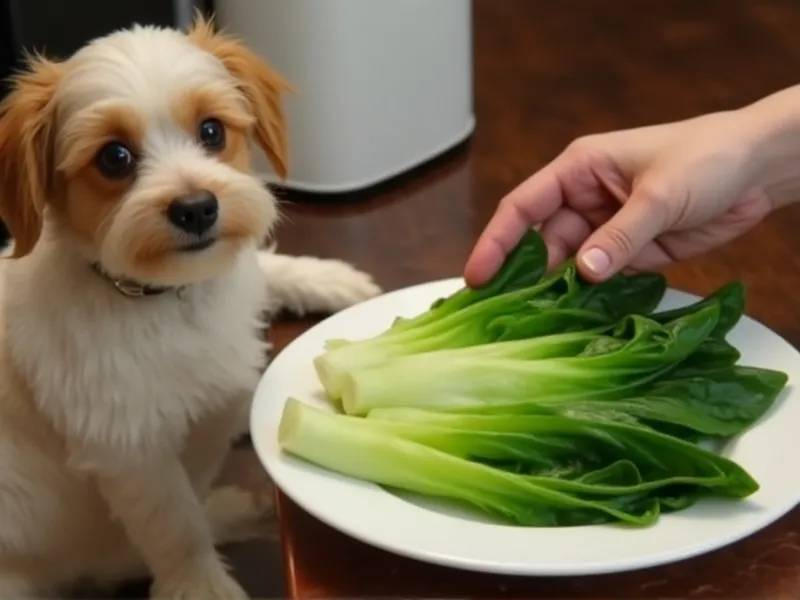
Table of Contents
- Can Dogs Eat Cooked Bok Choy? The Short Answer
- The Nutritional Benefits of Cooked Bok Choy for Dogs
- Potential Risks of Feeding Cooked Bok Choy to Dogs
- How Much Cooked Bok Choy Can Dogs Eat? Guidelines for Pet Parents
- Healthier Alternatives to Bok Choy for Dogs
- Frequently Asked Questions (FAQ)
- Conclusion: Moderation is Key
- References
Can Dogs Eat Cooked Bok Choy? The Short Answer
Yes, dogs can eat cooked bok choy in moderation. For most healthy dogs, small amounts of plain, cooked bok choy are safe and even beneficial. It’s low in calories, high in fiber, and packed with vitamins that support everything from immunity to digestion.
But (and this is a big “but”), there are caveats. Bok choy isn’t without risks, especially if fed in large quantities or prepared with harmful seasonings. Let’s break down the good, the not-so-good, and how to keep your pup safe.
The Nutritional Benefits of Cooked Bok Choy for Dogs
Bok choy (also called Chinese cabbage) is a nutritional powerhouse for humans—and many of those benefits extend to dogs, too. Let’s unpack its key nutrients and why they matter for your pup:
1. Vitamin A: Supporting Vision and Immunity
Bok choy is rich in beta-carotene, which converts to vitamin A in the body. Vitamin A is critical for:
- Eye health: It helps maintain clear vision, especially in low light, and supports the health of the cornea and retina.
- Immune function: It boosts the production of white blood cells, which fight off infections.
- Skin and coat health: Vitamin A keeps skin moisturized and coats shiny by supporting cell regeneration.
Fun fact: A 1-cup serving of cooked bok choy contains about 14% of the daily vitamin A requirement for humans—and dogs need it too, just in smaller doses!
2. Vitamin C: A Powerful Antioxidant
While dogs can produce some vitamin C on their own, extra doses (from food) act as antioxidants, neutralizing harmful free radicals that damage cells. This is especially helpful for:
- Aging dogs: Antioxidants may slow age-related cognitive decline.
- Active dogs: Vitamin C supports muscle recovery after exercise.
- Immune support: It helps reduce inflammation and fight off illnesses like colds.
3. Vitamin K: Critical for Blood Health
Vitamin K is a unsung hero in bok choy. It plays a vital role in:
- Blood clotting: Without enough vitamin K, even a small cut could lead to excessive bleeding.
- Bone health: It helps the body absorb calcium, keeping bones strong and reducing fracture risk.
4. Fiber: Aiding Digestion and Weight Management
Bok choy is high in dietary fiber, which is a game-changer for dogs:
- Digestion: Fiber adds bulk to stool, preventing constipation, and feeds “good” gut bacteria, supporting a healthy microbiome.
- Weight control: High-fiber foods keep dogs feeling full longer, reducing overeating (great for pups prone to begging!).
5. Potassium: Regulating Heart and Muscle Function
Potassium is an electrolyte that helps:
- Heart health: It regulates heart rhythm and blood pressure.
- Muscle function: It supports muscle contraction and nerve signaling, keeping your pup active and playful.
Potential Risks of Feeding Cooked Bok Choy to Dogs
While bok choy has perks, it’s not risk-free. Here are the top concerns to watch for:
1. Goitrogens: A Note on Thyroid Health
Bok choy belongs to the brassica family (think kale, broccoli, cabbage), which contains goitrogens—natural compounds that can interfere with thyroid function. Here’s why this matters:
- The thyroid gland needs iodine to produce hormones that regulate metabolism. Goitrogens can block iodine absorption, potentially leading to an enlarged thyroid (goiter) or hypothyroidism (underactive thyroid) in extreme cases.
The good news: For most dogs, small, occasional servings of bok choy won’t cause issues. The risk increases only with large, regular consumption (e.g., feeding bok choy daily as a main meal). Breeds prone to thyroid issues (like Golden Retrievers, Doberman Pinschers, or Irish Setters) may be more sensitive, so consult your vet first.
2. Oxalates: Kidney Stone Concerns
Bok choy contains small amounts of oxalates—compounds that bind to calcium and form crystals. In dogs with a history of kidney stones or calcium oxalate bladder stones, excess oxalates can worsen the condition.
Who’s at risk? Dogs with kidney disease, a history of stones, or breeds prone to urinary issues (e.g., Dalmatians, Bulldogs) should avoid bok choy or eat it only under veterinary supervision.
3. Choking Hazard: Size Matters
Bok choy has thick, crunchy stalks that can pose a choking risk if not prepared properly. Raw bok choy is especially tough, but even cooked stalks can get stuck in a dog’s throat if fed whole.
Fix: Always chop bok choy into small, bite-sized pieces (about the size of your thumbnail) before serving. Cooked stalks are softer, but chopping is still a must!
4. Stomach Upset: Too Much of a Good Thing
Fiber is great—until there’s too much. Overfeeding bok choy can lead to:
- Gas, bloating, or diarrhea (common in dogs with sensitive stomachs).
- Nausea or vomiting (if they eat a huge pile at once).
Rule of thumb: Treat bok choy as a snack, not a meal.
5. Seasonings: The Hidden Danger
Here’s the biggest risk of all: how you cook the bok choy. If you’re sharing from your plate, chances are it’s seasoned with:
- Garlic/onion: Toxic to dogs, even in small amounts (can cause anemia).
- Salt/soy sauce: Excess sodium leads to dehydration, kidney damage, or sodium ion poisoning.
- Butter/oil: High-fat toppings can trigger pancreatitis in sensitive dogs.
Safe prep: Always feed plain, unseasoned bok choy. Steam or boil it (no oil, salt, or spices) and let it cool before serving.
How Much Cooked Bok Choy Can Dogs Eat? Guidelines for Pet Parents
The key word here is moderation. Follow these rules to keep your pup safe:
Portion Sizes by Weight
Bok choy should make up no more than 10% of your dog’s daily calories (the rest should come from a balanced dog food). As a general guide:
- Small dogs (under 20 lbs): 1–2 tablespoons of cooked, chopped bok choy per serving.
- Medium dogs (20–50 lbs): 2–4 tablespoons per serving.
- Large dogs (50+ lbs): 4–6 tablespoons per serving.
Frequency: Occasional Treats, Not Daily Staples
Stick to 1–2 servings per week. Daily feeding increases the risk of goitrogens, oxalates, or stomach upset.
Special Considerations: Dogs with Health Conditions
Avoid bok choy if your dog has:
- Thyroid disease (hypothyroidism, goiter).
- Kidney disease or a history of kidney stones.
- Pancreatitis or a sensitive stomach.
- Allergies to brassicas (rare, but possible).
When in doubt, ask your vet!
Healthier Alternatives to Bok Choy for Dogs
If bok choy feels risky, or your pup just isn’t a fan, these veggies are safer and equally nutritious:
1. Spinach
- Why it’s great: Packed with iron, vitamins A and C, and folate. Lower in goitrogens than bok choy.
- How to serve: Cooked and chopped (raw can be tough to digest).
2. Carrots
- Why it’s great: Crunchy, low-calorie, and loaded with vitamin A. No goitrogens or oxalates—safe for all dogs.
- Bonus: Chewing raw carrots cleans teeth!
3. Green Beans
- Why it’s great: High in fiber, low in calories, and full of vitamins K and C. Perfect for weight management.
- Serve: Steamed or raw (chopped for small dogs).
4. Sweet Potatoes
- Why it’s great: Rich in beta-carotene, fiber, and potassium. A favorite for picky eaters!
- Serve: Baked or boiled (no added sugar or butter).
Frequently Asked Questions (FAQ)
Q: Can dogs eat raw bok choy?
A: Raw bok choy is harder to digest and more likely to cause gas or choking (stalks are tough). Cooked is safer, but still chop it small!
Q: Is bok choy safe for puppies?
A: Yes, in small amounts. Puppies have sensitive stomachs, so start with 1–2 teaspoons (chopped, cooked) and watch for diarrhea.
Q: What if my dog ate too much bok choy?
A: Signs of overindulgence include gas, diarrhea, or vomiting. Most cases resolve on their own, but contact your vet if symptoms last >24 hours or if your dog is lethargic.
Q: Can bok choy replace my dog’s regular food?
A: No! Dogs need a balanced diet with protein, fats, and specific nutrients (like taurine) that bok choy lacks. It’s a treat, not a meal.
Q: Are there any seasonings that make bok choy unsafe?
A: Yes! Avoid garlic, onion, salt, soy sauce, butter, or spices. Even a little garlic can be toxic to dogs.
Conclusion: Moderation is Key
Cooked bok choy can be a healthy, low-calorie treat for most dogs—packed with vitamins, fiber, and potassium. But like any human food, it’s all about balance. Stick to small portions, plain preparation, and occasional servings, and you’ll keep your pup happy and healthy.
If your dog has health issues (thyroid, kidneys, etc.), or you’re unsure, always check with your vet first. After all, every pup is unique!
Here’s to sharing (safe!) snacks with your furry best friend—may your stir-fries be delicious, and your dog’s begging eyes be rewarded (responsibly).
References
- American Kennel Club (AKC). “Can Dogs Eat Bok Choy?” akc.org
- PetMD. “Human Foods Dogs Can and Can’t Eat.” petmd.com
- ASPCA Animal Poison Control. “Toxic and Non-Toxic Plants.” aspca.org
- Veterinary Centers of America (VCA). “Goitrogens in Pet Food.” vcahospitals.com
- Journal of the American Veterinary Medical Association (JAVMA). “Oxalate Urolithiasis in Dogs.” avma.org