· 8 min read
Can Dogs Eat Boiled Sweet Potatoes? A Pet Parent’s Guide to Safe, Tasty Treats
It’s a lazy afternoon, and you’re munching on a warm, buttery bowl of boiled sweet potatoes. Beside you, your dog sits, tail thumping, nose twitching, and those big, hopeful eyes locked on your spoon. “Just a little bite?” you wonder. “Surely sweet potatoes are healthy—they’re packed with vitamins, right?”
If you’ve ever found yourself in this scenario, you’re not alone. Sweet potatoes are a staple in many human diets, lauded for their nutrient density and natural sweetness. But when it comes to our furry friends, the question lingers: Can dogs eat boiled sweet potatoes?
The good news? When prepared properly, boiled sweet potatoes can be a safe, healthy treat for dogs. But like any human food, there are caveats—from portion sizes to potential risks. In this guide, we’ll break down everything you need to know to share this tasty snack with your pup responsibly.
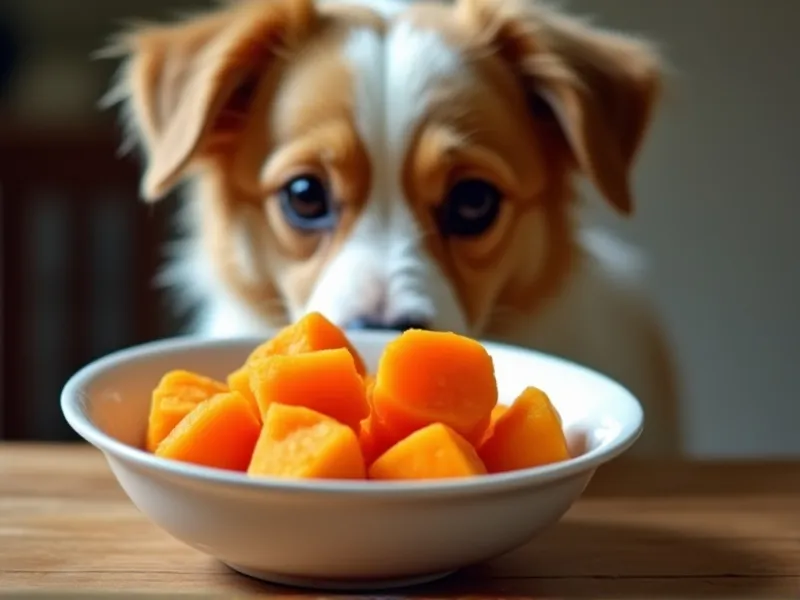
Table of Contents
- Can Dogs Eat Boiled Sweet Potatoes? (The Short Answer)
- The Benefits of Boiled Sweet Potatoes for Dogs
- Potential Risks to Watch Out For
- How Much Boiled Sweet Potato Can Dogs Eat? Guidelines by Size
- Healthier Alternatives to Sweet Potatoes
- FAQ: Your Questions Answered
- Conclusion: Moderation is Key
Can Dogs Eat Boiled Sweet Potatoes? (The Short Answer)
Yes, dogs can eat boiled sweet potatoes—in moderation. When served plain (no added salt, butter, sugar, or spices) and cut into small, manageable pieces, boiled sweet potatoes are a nutrient-rich, low-fat treat that many dogs love.
Unlike raw sweet potatoes (which are hard to digest and pose a choking risk) or sweet potatoes prepared with additives (like marshmallows or cinnamon), boiled sweet potatoes are gentle on your dog’s stomach and packed with vitamins and fiber. However, they should never replace your dog’s regular, balanced diet—think of them as an occasional “health snack,” not a meal.
The Benefits of Boiled Sweet Potatoes for Dogs
Sweet potatoes aren’t just tasty—they’re a nutritional powerhouse. Here’s why they might make a great addition to your dog’s treat rotation:
1. Loaded with Essential Vitamins
Boiled sweet potatoes are rich in vitamins that support your dog’s overall health:
- Vitamin A: Critical for eye health, immune function, and skin/coat vitality. A single cup of boiled sweet potato contains over 10,000 IU of vitamin A—more than double the daily requirement for most adult dogs (though too much can be harmful, which we’ll cover later).
- Vitamin C: An antioxidant that boosts the immune system and helps fight inflammation.
- B Vitamins (B6, Thiamine): Support energy metabolism and brain function, keeping your dog active and alert.
2. Fiber for Digestive Health
One cup of boiled sweet potato provides about 4 grams of dietary fiber—roughly 15% of a medium-sized dog’s daily fiber needs. Fiber helps:
- Regulate bowel movements (relieving both constipation and diarrhea).
- Support a healthy gut microbiome by feeding beneficial bacteria.
- Keep your dog feeling full longer, which can aid in weight management (when given in moderation).
3. Potassium for Heart and Muscle Health
Potassium is an electrolyte that helps maintain healthy heart rhythm, muscle function, and blood pressure. Sweet potatoes are a natural source of this mineral, making them a heart-smart treat for dogs (especially seniors or those with mild heart conditions, with vet approval).
4. Antioxidants to Fight Free Radicals
Sweet potatoes are rich in beta-carotene (the pigment that gives them their orange color) and other antioxidants, which neutralize harmful free radicals. This may reduce the risk of chronic diseases and support longevity in dogs.
5. Gluten-Free and Hypoallergenic
For dogs with food allergies or sensitivities (e.g., to wheat or corn), boiled sweet potatoes are a safe, gluten-free alternative to traditional treats. They’re also low in fat, making them ideal for overweight dogs or those on a restricted diet.
Potential Risks to Watch Out For
While boiled sweet potatoes are generally safe, they’re not without risks—especially when overfed or prepared incorrectly. Here’s what to avoid:
1. Too Much Sugar (Even Natural Sugar)
Sweet potatoes are naturally sweet, thanks to their high carbohydrate content (about 27 grams of carbs per cup, mostly from sugars like glucose and fructose). While natural sugar is better than added sugar, excess can lead to:
- Weight gain and obesity (a leading cause of diabetes, joint pain, and heart disease in dogs).
- Blood sugar spikes, which are dangerous for dogs with diabetes or insulin resistance.
- Dental issues, like cavities or plaque buildup (though less so than processed treats).
2. Stomach Upset from Excess Fiber
While fiber is great for digestion, too much can backfire. Feeding your dog a large portion of sweet potato may cause:
- Gas, bloating, or diarrhea (especially in dogs unaccustomed to high-fiber foods).
- Stomach cramps or discomfort.
3. Choking or Intestinal Blockage
Sweet potatoes are soft when boiled, but they can still pose a choking hazard if not cut properly. Large chunks may get stuck in your dog’s throat, while long, stringy pieces (like unpeeled skins) could cause intestinal blockages—especially in small breeds or dogs who gulp their food.
4. Toxic Additives (Avoid These!)
Boiled sweet potatoes are only safe if served plain. Never feed your dog sweet potatoes prepared with:
- Butter, oil, or margarine: High in fat, which can cause pancreatitis in dogs.
- Salt, garlic, or onions: Toxic to dogs (salt can lead to sodium ion poisoning; garlic/onions damage red blood cells).
- Sugar, honey, or syrup: Adds empty calories and increases diabetes risk.
- Cinnamon: In large amounts, can irritate the mouth and lower blood sugar dangerously.
5. Vitamin A Toxicity (Rare, But Possible)
Vitamin A is fat-soluble, meaning excess builds up in the body over time. While a single serving of sweet potato won’t cause issues, chronic overfeeding could lead to vitamin A toxicity, with symptoms like:
- Joint pain or stiffness.
- Loss of appetite.
- Dry, flaky skin.
- Bone abnormalities (in puppies).
This is rare, but it’s why portion control is critical.
How Much Boiled Sweet Potato Can Dogs Eat? Guidelines by Size
The key to safely feeding sweet potatoes is moderation. As a general rule, treats (including sweet potatoes) should make up no more than 10% of your dog’s daily calorie intake. Here’s a rough guide based on your dog’s weight:
| Dog Size | Weight | Recommended Serving (Boiled, Mashed/Chunked) |
|---|---|---|
| Small (e.g., Chihuahua, Pug) | 5–20 lbs | 1–2 tablespoons per day |
| Medium (e.g., Beagle, Cocker Spaniel) | 20–50 lbs | 2–3 tablespoons per day |
| Large (e.g., Labrador, German Shepherd) | 50–100 lbs | 3–4 tablespoons per day |
| Extra-Large (e.g., Great Dane, Mastiff) | 100+ lbs | 4–5 tablespoons per day |
Pro Tips:
- Start small! Introduce a tiny piece (1–2 teaspoons) first to see how your dog tolerates it. If they have loose stools or gas, cut back.
- Mash or dice into bite-sized pieces (no bigger than a pea for small dogs) to avoid choking.
- Avoid feeding sweet potatoes daily. Aim for 2–3 times per week at most.
Healthier Alternatives to Sweet Potatoes
If your dog doesn’t love sweet potatoes, or you want to mix up their treats, these alternatives offer similar benefits with lower sugar or calories:
1. Carrots
- Why: Low in calories, high in fiber, and packed with vitamin A (plus they clean teeth!).
- How to serve: Raw (sliced into sticks) or boiled (softer for puppies/seniors).
2. Green Beans
- Why: Crunchy, low-calorie, and rich in vitamins C and K. Great for weight loss!
- How to serve: Steamed or boiled (no salt), cut into small pieces.
3. Plain Pumpkin (Canned)
- Why: High in fiber (excellent for diarrhea or constipation) and beta-carotene.
- How to serve: 1–2 tablespoons (unsweetened, no spices) mixed into food or as a treat.
4. Apples
- Why: Source of fiber and vitamin C. The crunch helps with dental health.
- How to serve: Sliced, cored (seeds are toxic!), and peeled (optional, but skin can be tough).
5. Blueberries
- Why: Antioxidant-rich, low in sugar, and perfect for training treats.
- How to serve: Fresh or frozen (a cool summer snack!).
FAQ: Your Questions Answered
Q: Can puppies eat boiled sweet potatoes?
A: Yes, but in very small amounts (1–2 teaspoons for a 10-lb puppy). Puppies have sensitive tummies, so introduce slowly. Avoid overfeeding, as excess fiber can upset their developing digestive systems.
Q: Are sweet potato skins safe for dogs?
A: It depends. Skins are high in fiber, but they’re tough and may cause stomach upset or blockages in small dogs. If you choose to feed skins, boil them until very soft and dice into tiny pieces. For safety, peeling is often better.
Q: Can dogs with diabetes eat sweet potatoes?
A: It’s best to avoid them. Sweet potatoes are high in carbs, which can spike blood sugar. If your dog has diabetes, ask your vet for low-carb treat options (like green beans or broccoli).
Q: What if my dog ate too much sweet potato?
A: Watch for symptoms like diarrhea, vomiting, bloating, or lethargy. If mild, offer plenty of water and skip treats for a day. If severe (e.g., persistent vomiting), contact your vet—excess fiber can lead to intestinal blockages in rare cases.
Q: Are raw sweet potatoes better than boiled?
A: No! Raw sweet potatoes are hard to digest and may cause stomach pain or blockages. Boiling softens them, making nutrients easier to absorb.
Conclusion: Moderation is Key
Boiled sweet potatoes can be a delicious, nutrient-dense treat for dogs—when served plain, in small portions, and as part of a balanced diet. They’re rich in vitamins, fiber, and antioxidants, but too much can lead to weight gain, stomach upset, or worse.
As with any new food, always start small and monitor your dog for reactions. And when in doubt? Consult your vet—especially if your dog has health conditions like diabetes, obesity, or digestive issues.
At the end of the day, sharing a tiny spoonful of boiled sweet potato with your pup is a sweet (pun intended!) way to bond. Just remember: treats are meant to be occasional, and your dog’s main meals should always come from a high-quality, vet-approved dog food.
Happy snacking (for both of you)!