· 8 min read
Can Dogs Eat Boiled Peanuts? A Pet Parent’s Guide to Safe Snacking
It’s a lazy Sunday afternoon, and you’re enjoying a bowl of warm, salty boiled peanuts—crunchy, satisfying, and perfect for sharing… or so you think. Beside you, your dog sits patiently, tail thumping, eyes glued to your snack. “Just one won’t hurt, right?” you wonder. If you’ve ever found yourself in this scenario, you’re not alone. Boiled peanuts are a beloved snack (especially in the South, where they’re practically a staple), and pet parents often ask: Can dogs eat boiled peanuts, too?
Before you toss your pup a nut, let’s dive into the details. Are boiled peanuts safe for dogs? What are the benefits and risks? And if they can have them, how much is too much? Let’s break it all down.
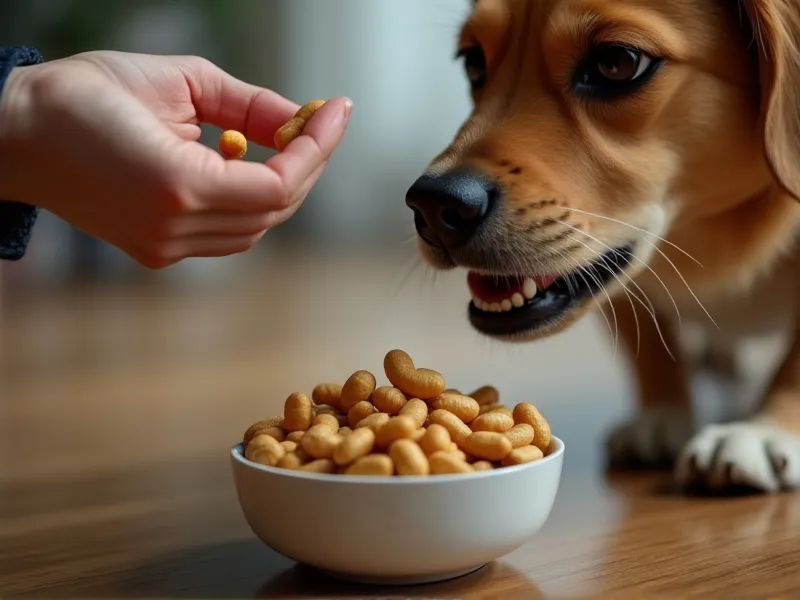
Table of Contents
- Can Dogs Eat Boiled Peanuts? The Short Answer
- Nutritional Benefits of Boiled Peanuts for Dogs
- Potential Risks of Feeding Boiled Peanuts to Dogs
- How Much Boiled Peanut Can Dogs Safely Eat?
- Healthier Alternatives to Boiled Peanuts
- FAQ: Your Boiled Peanut Questions Answered
- Conclusion: Moderation is Key
Can Dogs Eat Boiled Peanuts? The Short Answer
Yes, dogs can eat boiled peanuts in small, controlled amounts—but with big caveats. Boiled peanuts are not toxic to dogs, and they offer some nutritional perks, like protein and fiber. However, they’re also high in salt (a common additive), pose choking risks, and can cause stomach upset if overfed. Think of them as an occasional “human food” treat, not a regular part of your dog’s diet.
Nutritional Benefits of Boiled Peanuts for Dogs
Peanuts, in general, are nutrient-dense, and boiling them (without added salt or sugar) preserves many of their key vitamins and minerals. Here’s why a tiny bite might benefit your pup:
1. Protein for Muscle & Energy
Boiled peanuts are a decent source of plant-based protein (about 8 grams per 1/4 cup serving). Protein is essential for dogs to maintain strong muscles, repair tissues, and support a healthy immune system. While dogs thrive on animal-based protein (like chicken or beef), a small boost from peanuts won’t hurt—especially for active pups.
2. Fiber for Digestive Health
Fiber helps keep your dog’s gut moving smoothly, preventing constipation and supporting a healthy microbiome. Boiled peanuts contain both soluble and insoluble fiber (around 3 grams per 1/4 cup), which can aid digestion when fed in moderation.
3. Potassium for Heart & Nerves
Potassium is a critical mineral that regulates heart rhythm, muscle function, and nerve signals. Boiled peanuts have about 180 mg of potassium per 1/4 cup—good news for your dog’s cardiovascular health (though they’ll get most of their potassium from a balanced dog food).
4. Vitamin E & Antioxidants
Vitamin E is a powerful antioxidant that protects cells from damage and supports skin and coat health. Boiled peanuts also contain resveratrol, an antioxidant linked to reduced inflammation—though the amounts are small, so don’t rely on peanuts for this benefit alone.
5. Healthy Fats (in Moderation)
Peanuts have monounsaturated fats (the “good” kind) that support brain function and hormone production. However, fats are calorie-dense, so overfeeding can lead to weight gain (more on that later).
Potential Risks of Feeding Boiled Peanuts to Dogs
While boiled peanuts have upsides, they’re not without risks—especially if fed improperly. Here’s what to watch out for:
1. Choking Hazard (Biggest Risk!)
Whole or even halved boiled peanuts are a choking risk, especially for small dogs (think Chihuahuas, Yorkies) or dogs who gulp food without chewing. The soft, squishy texture can get stuck in their throat, blocking airflow. Always chop boiled peanuts into tiny pieces before feeding, and never leave your dog unsupervised with them.
2. Too Much Salt = Dehydration & Kidney Strain
Most boiled peanuts are cooked with salt (sometimes a lot of it!) to enhance flavor. Dogs need only a tiny amount of sodium daily: about 100 mg per 10 pounds of body weight. A single cup of salted boiled peanuts can contain 500+ mg of sodium—way more than a small dog needs in a day! Excess salt causes:
- Thirst and dehydration
- Increased urination (straining kidneys)
- In severe cases, sodium ion poisoning (symptoms: vomiting, diarrhea, seizures).
Stick to unsalted boiled peanuts only. If you buy them pre-cooked, check the label—many brands add salt, sugar, or spices (like Cajun seasoning) that can upset your dog’s stomach.
3. Added Sugars or Flavorings
Some recipes for boiled peanuts include sugar, honey, or spices (e.g., garlic, onion, chili powder). Garlic and onion are toxic to dogs (they damage red blood cells), while sugar adds empty calories and can contribute to obesity or diabetes over time. Always opt for plain, unseasoned boiled peanuts.
4. Aflatoxin Contamination (Rare but Serious)
Peanuts are prone to mold growth, which can produce aflatoxins—harmful toxins that cause liver damage in dogs. Boiling peanuts reduces mold risk, but it doesn’t eliminate it entirely. To avoid this, only feed fresh, mold-free boiled peanuts, and never give your dog peanuts that smell musty or look discolored.
5. Stomach Upset from Fat & Fiber
Boiled peanuts are high in fat (about 14 grams per 1/4 cup) and fiber. While a little fiber aids digestion, too much can cause gas, bloating, or diarrhea—especially in dogs with sensitive stomachs. Fat, when overfed, can also lead to pancreatitis (a painful inflammation of the pancreas) in susceptible dogs (e.g., overweight or older pups).
How Much Boiled Peanut Can Dogs Safely Eat?
The golden rule for dog treats: They should make up no more than 10% of your dog’s daily calories. For boiled peanuts, that translates to tiny portions—think “a bite or two,” not a handful.
Here’s a rough guideline based on your dog’s size:
- Small dogs (under 20 lbs): 1–2 chopped peanut halves (once weekly, max).
- Medium dogs (20–50 lbs): 2–3 chopped peanut halves (once weekly).
- Large dogs (50+ lbs): 3–4 chopped peanut halves (once weekly).
Pro tip: If you’re unsure, check with your vet. Dogs with health issues (kidney disease, diabetes, pancreatitis) should avoid boiled peanuts entirely, as the salt and fat can worsen symptoms.
Healthier Alternatives to Boiled Peanuts
If you want to share a snack with your dog but worry about boiled peanuts’ risks, try these safer, more nutrient-dense options:
1. Carrot Sticks
Crunchy, low-calorie, and packed with vitamin A (great for eyesight). Carrots are a favorite for dogs and pose zero choking risk (just cut into bite-sized pieces for small pups).
2. Green Beans
Steamed or raw green beans are high in fiber and vitamins (like K and C) and low in calories. They’re perfect for overweight dogs or as a crunchy treat.
3. Apple Slices (No Seeds!)
Apples are rich in fiber and antioxidants. Remove the seeds (they contain trace cyanide) and core, then slice into wedges. Most dogs love the sweet, crisp flavor.
4. Plain, Unsalted Roasted Peanuts
If your dog loves peanuts, opt for dry-roasted (no oil) and unsalted varieties instead of boiled. They’re lower in moisture, so less messy, and easier to portion. Just chop them up to avoid choking!
5. Xylitol-Free Peanut Butter
A spoonful of plain, unsalted peanut butter (no xylitol!) is a classic dog treat. It’s high in protein and healthy fats, and most dogs go crazy for it. Use it to stuff a Kong or hide pills—just watch the calories (it’s calorie-dense!).
FAQ: Your Boiled Peanut Questions Answered
Q: Can puppies eat boiled peanuts?
A: It’s best to avoid giving boiled peanuts to puppies (under 6 months old). Puppies have sensitive digestive systems, and the salt, fat, or choking risk could lead to stomach upset or worse. Stick to puppy-safe treats like small pieces of cooked chicken or puppy kibble.
Q: My dog ate a whole bowl of salted boiled peanuts! What should I do?
A: Stay calm, but monitor for symptoms of salt poisoning: excessive thirst, vomiting, diarrhea, lethargy, or seizures. Offer fresh water, but don’t force them to drink. If symptoms appear, contact your vet immediately—they may recommend IV fluids to flush out excess sodium.
Q: Are boiled peanuts better for dogs than roasted peanuts?
A: Not necessarily. Boiled peanuts may have more moisture (which some dogs prefer), but they’re often salted. Roasted peanuts (unsalted, no oil) are a better bet, as they’re lower in sodium and easier to control portions.
Q: Can dogs eat peanut shells?
A: No! Peanut shells are tough, indigestible, and a major choking hazard. They can also cause intestinal blockages if swallowed. Always remove shells before feeding peanuts to your dog.
Q: Are there dogs who should never eat boiled peanuts?
A: Yes. Dogs with kidney disease (can’t process excess salt), diabetes (high in carbs), pancreatitis (sensitive to fat), or peanut allergies should avoid boiled peanuts entirely. If your dog has any health conditions, ask your vet first.
Conclusion: Moderation is Key
Boiled peanuts can be a fun, occasional treat for dogs—if you serve them plain, unsalted, chopped, and in tiny amounts. They offer a few nutrients, but the risks (choking, salt, stomach upset) mean they shouldn’t be a regular part of your pup’s diet.
As with any human food, consult your vet before sharing boiled peanuts, especially if your dog has health issues. And remember: The best treats for dogs are those made specifically for them—they’re formulated to meet their unique nutritional needs.
So next time you’re enjoying boiled peanuts, feel free to toss your dog a tiny, chopped piece (unsalted, of course!). Just keep their tail wagging and their tummy happy by keeping it occasional. Your pup will thank you—with extra snuggles, no doubt.
Sources:
- American Kennel Club (AKC). “Can Dogs Eat Peanuts?” akc.org
- PetMD. “Human Foods Dogs Can and Can’t Eat.” petmd.com
- ASPCA. “Toxic and Non-Toxic Plant List—Dogs.” aspca.org
- Cummings School of Veterinary Medicine at Tufts University. “Salt Toxicity in Dogs.” tuftsyourdog.com