· 9 min read
Can Dogs Eat Boiled Corn? A Pet Parent’s Guide to Safe Snacking
It’s a warm summer evening, and you’re gathered around the dinner table with a bowl of buttery, steamed corn on the cob. As you take a bite, your dog trots over, tail wagging, and plops down at your feet—those puppy eyes locked on your plate. “Just a little taste?” they seem to beg. But before you toss them a kernel, you pause: Is boiled corn safe for dogs?
If you’ve ever wondered whether this summertime staple is a dog-friendly treat, you’re not alone. Corn is a common ingredient in many commercial dog foods, but that doesn’t always mean it’s safe to share from your plate. Let’s break down the facts, so you can make informed choices about what to feed your furry friend.
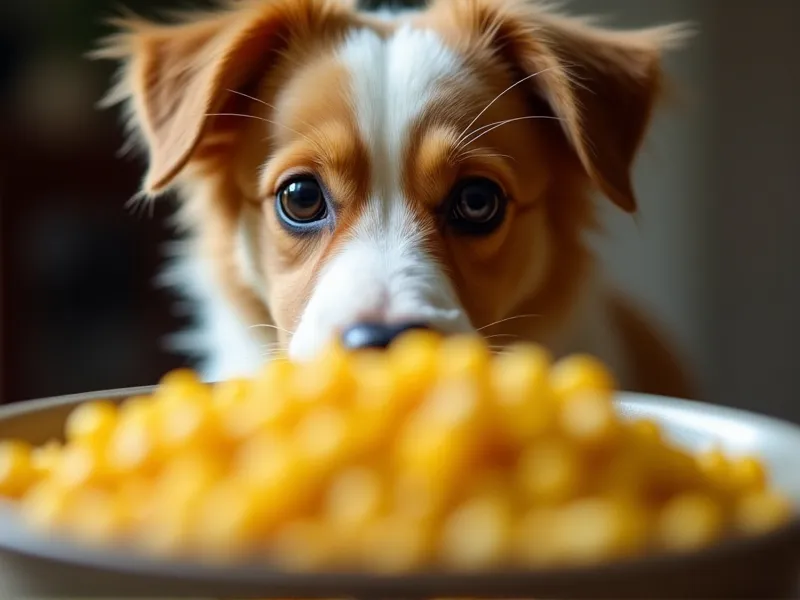
Table of Contents
- Can Dogs Eat Boiled Corn? The Short Answer
- Nutritional Benefits of Boiled Corn for Dogs
- Potential Risks to Watch Out For
- How Much Boiled Corn Can Dogs Safely Eat?
- Healthier Alternatives to Boiled Corn
- FAQ: Common Questions About Dogs and Corn
- Conclusion: Enjoy Responsibly
- References
Can Dogs Eat Boiled Corn? The Short Answer
Yes, plain boiled corn (without added salt, butter, or seasonings) is generally safe for dogs in small, occasional amounts.
Corn itself is not toxic to dogs, and in fact, it’s a common ingredient in many commercial dog foods. However, there’s a big caveat: the corn cob is extremely dangerous and should never be given to dogs. Additionally, corn should only be a tiny part of your dog’s diet—think of it as a rare treat, not a regular snack.
Nutritional Benefits of Boiled Corn for Dogs
While corn isn’t a “superfood” for dogs, it does offer some nutritional perks when served plain and in moderation. Here’s what makes boiled corn a (occasional) healthy addition:
1. Fiber for Digestive Health
Boiled corn is a good source of dietary fiber, which helps support your dog’s digestive system. Fiber keeps things moving in the gut, preventing constipation and promoting regular bowel movements. It can also help dogs feel full, which might be useful for pups prone to begging between meals (though remember: treats should never replace balanced dog food!).
2. Potassium for Heart and Muscle Function
Potassium is an essential mineral that plays a key role in regulating your dog’s heart rate, muscle contractions, and fluid balance. A small serving of boiled corn can contribute to your dog’s daily potassium needs, supporting overall cardiovascular health.
3. Vitamins A, B, and C
Corn contains small amounts of vitamins that are beneficial for dogs:
- Vitamin A: Supports eye health and a shiny coat.
- B Vitamins (Thiamine, Niacin): Help convert food into energy and maintain healthy skin and nerves.
- Vitamin C: An antioxidant that boosts the immune system and helps fight inflammation.
4. Antioxidants
Corn is rich in antioxidants like lutein and zeaxanthin, which are known to support eye health and reduce the risk of age-related vision issues in dogs (and humans!). These antioxidants also help combat free radicals, which can damage cells over time.
Potential Risks to Watch Out For
While plain boiled corn is safe in small doses, there are some risks to be aware of—especially if you overdo it or serve it improperly.
1. Choking Hazard (Kernels)
Whole corn kernels are small and round, which can pose a choking risk, especially for small dogs or those who gulp their food without chewing. To reduce this risk, mash or break the kernels into smaller pieces before offering them to your pup.
2. Intestinal Blockage (Corn Cobs—Never Feed!)
The biggest danger when it comes to corn and dogs is the corn cob. Corn cobs are tough, indigestible, and can easily get stuck in your dog’s throat, stomach, or intestines. Even small pieces of cob can cause a life-threatening blockage, requiring emergency surgery. Symptoms of a blockage include vomiting, diarrhea, lethargy, loss of appetite, or straining to poop. If you suspect your dog ate a corn cob, contact your vet immediately.
3. Added Ingredients (Butter, Salt, Sugar, Seasonings)
Most people don’t eat plain boiled corn—they slather it in butter, salt, cheese, or spices. These additions are not safe for dogs:
- Butter/Oil: High in fat, which can cause pancreatitis (a painful, potentially fatal inflammation of the pancreas) in dogs, especially in large amounts.
- Salt: Excess sodium leads to dehydration, high blood pressure, and kidney damage. Dogs only need a tiny amount of salt in their diet (most commercial dog foods already contain the right balance).
- Sugar: Added sugar contributes to obesity, diabetes, and dental issues.
- Seasonings (Garlic, Onion, Chili Powder): Garlic and onion are toxic to dogs, even in small amounts, as they damage red blood cells. Spicy seasonings can irritate your dog’s stomach, causing vomiting or diarrhea.
4. Stomach Upset from Too Much Fiber
While fiber is good for digestion, too much can backfire. Feeding your dog a large serving of boiled corn may lead to gas, bloating, or diarrhea, especially if they’re not used to high-fiber foods.
How Much Boiled Corn Can Dogs Safely Eat?
The key here is moderation. Boiled corn should be an occasional treat, not a regular part of your dog’s diet. As a general rule:
- Small dogs (under 20 lbs): 1–2 tablespoons of plain boiled corn, mashed or chopped, once every 1–2 weeks.
- Medium dogs (20–50 lbs): 2–3 tablespoons, once every 1–2 weeks.
- Large dogs (50+ lbs): 3–4 tablespoons, once every 1–2 weeks.
Remember: Treats (including corn) should make up no more than 10% of your dog’s daily calorie intake. The other 90% should come from a high-quality, balanced dog food formulated for their age, size, and activity level.
If your dog has never eaten corn before, start with a tiny amount (1–2 kernels for small dogs) and monitor them for 24 hours. If they show signs of stomach upset (vomiting, diarrhea, gas), skip corn in the future.
Healthier Alternatives to Boiled Corn
While plain boiled corn is safe in moderation, there are other veggies that are more nutrient-dense and lower-risk for dogs. Here are some healthier alternatives to add variety to your pup’s treat rotation:
1. Green Beans
Low in calories and high in fiber, green beans are a fantastic treat for dogs. They’re crunchy, satisfying, and can even help with weight management (since they’re low-calorie but filling). Serve them steamed or raw (chopped into bite-sized pieces for small dogs).
2. Carrots
Carrots are packed with vitamin A (great for eyes and coat) and are naturally sweet, making them a hit with most dogs. They also help clean teeth as your dog chews, reducing plaque buildup. Raw or steamed carrots (chopped) are safe for all dogs.
3. Sweet Potatoes
Sweet potatoes are a nutrient powerhouse: rich in fiber, beta-carotene (which converts to vitamin A), and potassium. They’re also gentle on sensitive stomachs. Bake or steam them (no added sugar or butter!) and mash or cube them for a tasty treat.
4. Blueberries
For a sweet, antioxidant-rich snack, try blueberries. They’re low in calories, high in vitamins C and K, and dogs love their burst of flavor. Frozen blueberries make a refreshing summer treat!
5. Pumpkin (Plain, Canned)
Plain, unsweetened pumpkin (not pumpkin pie filling) is excellent for digestive health. It’s high in fiber and can help soothe both diarrhea and constipation. Mix a tablespoon into your dog’s food or serve it plain as a treat.
FAQ: Common Questions About Dogs and Corn
Q: Can dogs eat canned corn?
A: No, avoid canned corn. Most canned corn is packed in saltwater or syrup, which is high in sodium or sugar—both bad for dogs. Even “no-salt-added” canned corn may have preservatives or additives that aren’t ideal. Stick to fresh, boiled corn instead.
Q: My dog stole a corn cob! What should I do?
A: Contact your vet immediately. Corn cobs are a serious choking and blockage risk. Your vet may recommend inducing vomiting (if the cob was eaten recently) or monitoring for symptoms of blockage (vomiting, lethargy, loss of appetite). Do NOT wait to see if “it passes”—intestinal blockages can be fatal without treatment.
Q: Is corn a common allergen for dogs?
A: No, corn is not a top allergen for dogs. Food allergies in dogs are most often caused by proteins (like chicken, beef, or dairy), not grains. However, some dogs may have sensitivities to corn, so monitor your pup for itching, ear infections, or stomach upset after trying it.
Q: Can puppies eat boiled corn?
A: Yes, but in very small amounts. Puppies have sensitive digestive systems, so introduce corn slowly and in tiny portions (e.g., 1–2 mashed kernels for a small breed puppy). Always check with your vet before giving new foods to puppies, especially if they have a history of digestive issues.
Q: Is popcorn safe for dogs?
A: Plain, air-popped popcorn (no butter, salt, or toppings) is safe in small amounts. However, popcorn kernels can pose a choking risk, and unpopped kernels may damage teeth. It’s not as nutritious as other veggies, so stick to small handfuls as an occasional treat.
Conclusion: Enjoy Responsibly
So, can dogs eat boiled corn? Yes—in small, plain, cob-free portions. Boiled corn offers some fiber, vitamins, and antioxidants, but it’s not a necessary part of your dog’s diet. The key is moderation: think of it as a rare, special treat, not a regular snack.
Always avoid corn cobs, butter, salt, or seasonings, and opt for healthier veggies like green beans or carrots when possible. If you’re unsure whether corn is right for your dog (e.g., if they have diabetes, pancreatitis, or digestive issues), consult your vet first.
At the end of the day, the best treats for dogs are those that are safe, nutritious, and given with love. So next time you’re enjoying a summer BBQ, feel free to share a tiny handful of plain boiled corn with your pup—but keep the cob (and the butter!) all to yourself.
Your dog will thank you for the extra snuggles (and the occasional corn kernel) either way!
References
- American Society for the Prevention of Cruelty to Animals (ASPCA). “People Foods to Avoid Feeding Your Pets.” aspca.org/pet-care/animal-poison-control/people-foods-avoid-feeding-your-pets
- American Kennel Club (AKC). “Can Dogs Eat Corn?” akc.org/expert-advice/nutrition/can-dogs-eat-corn/
- VCA Animal Hospitals. “Dietary Fiber for Dogs.” vcahospitals.com/know-your-pet/dietary-fiber-for-dogs
- PetMD. “Human Foods Dogs Can and Can’t Eat.” petmd.com/dog/nutrition/human-foods-dogs-can-and-cant-eat