· 9 min read
Can Dogs Eat Boiled Chicken Skin? The Surprising Truth Every Pet Parent Should Know
Picture this: You’re standing at the stove, boiling a pot of chicken for tonight’s dinner. The kitchen smells like warm broth, and as you lift the lid to check on the meat, you hear a soft whimper behind you. You turn to find your dog, tail thumping a rapid rhythm, nose twitching at the scent. Their eyes lock onto your hands as you peel off a piece of tender, boiled chicken skin—and suddenly, those puppy eyes are impossible to resist. “Just a tiny bite?” you think. But wait: Is boiled chicken skin safe for dogs?
If you’ve ever found yourself in this scenario, you’re not alone. Chicken is a staple in many dog diets (think: kibble, homemade meals, or training treats), so it’s natural to wonder if the skin—often the most flavorful part—can be shared. In this post, we’ll dive into the facts: the potential benefits, the hidden risks, how much (if any) is safe, and healthier alternatives to keep your pup happy and healthy. Let’s get started!
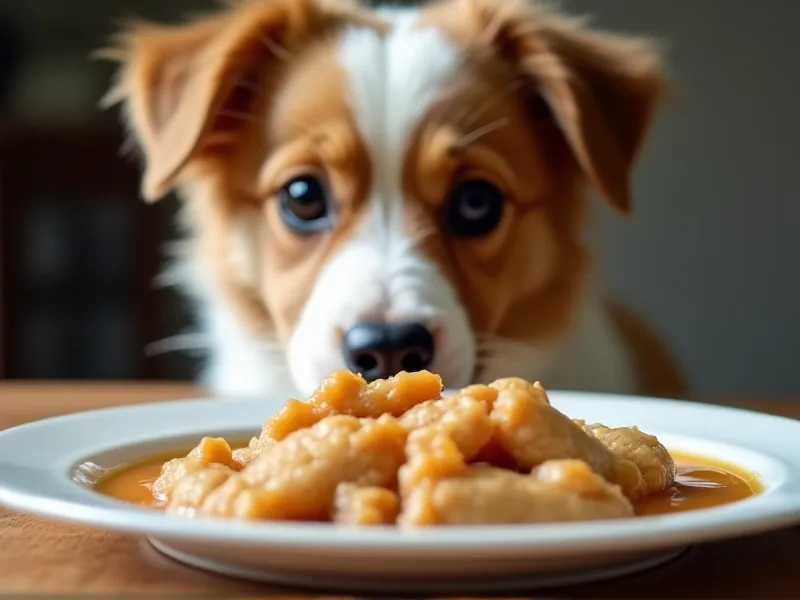
Table of Contents
- The Short Answer: Can Dogs Eat Boiled Chicken Skin?
- What’s in Boiled Chicken Skin, Anyway? Nutritional Breakdown
- Potential Benefits (Spoiler: They’re Limited)
- The Risks: Why Too Much Chicken Skin Can Hurt Your Dog
- Safe Guidelines: How Much Boiled Chicken Skin Is Okay?
- Healthier Alternatives to Chicken Skin
- FAQ: Your Top Questions Answered
- Conclusion: Moderation Is Key
The Short Answer: Can Dogs Eat Boiled Chicken Skin?
Yes, dogs can eat boiled chicken skin in very small, occasional amounts—but it’s not a “superfood” for them, and there are important risks to consider.
Boiled chicken skin isn’t toxic to dogs, but it’s high in fat, which can lead to health issues if overfed. Think of it like a greasy potato chip for your pup: tasty, but not something you’d want them to munch on daily. The key here is moderation and awareness of your dog’s individual health needs.
What’s in Boiled Chicken Skin, Anyway? Nutritional Breakdown
To understand why chicken skin is a mixed bag, let’s look at its nutrition. A 3-ounce serving of boiled chicken skin (about the size of a deck of cards) contains roughly:
- Calories: 200–250 (most from fat)
- Fat: 15–20 grams (mostly saturated and unsaturated fats)
- Protein: 5–7 grams (minimal compared to chicken meat)
- Vitamins/Minerals: Small amounts of vitamin B12, zinc, and iron (but not enough to make it a nutrient-dense food)
The takeaway? Chicken skin is mostly fat with a little protein. It’s not a source of fiber, potassium, or other key nutrients your dog needs (contrary to what some myths suggest). For context, a 3-ounce serving of lean chicken breast (without skin) has about 140 calories, 3 grams of fat, and 26 grams of protein—making it a far healthier choice for your pup.
Potential Benefits (Spoiler: They’re Limited)
While boiled chicken skin isn’t a nutritional powerhouse, there are a few occasional perks that might make it tempting to share:
1. It’s Palatable (Great for Picky Eaters or Medication)
Dogs love the taste of chicken skin! If your pup is a picky eater or needs to take medication, a tiny piece of boiled chicken skin can be a handy “bribe” to encourage them to eat or swallow pills. Just remember: This should be a rare treat, not a daily routine.
2. It’s Easy to Prepare (When Cooking for Humans)
If you’re already boiling chicken for your own meal, it’s convenient to share a small scrap with your dog. Unlike raw or fried chicken skin (which we’ll talk about later), boiled skin is free of added oils, seasonings, or breading, making it a “cleaner” option than other human foods.
3. Minimal Processing (Compared to Some Treats)
Store-bought dog treats can be loaded with preservatives, artificial flavors, or added sugars. A tiny piece of boiled chicken skin, in contrast, is a single-ingredient food—no hidden additives. But again, this doesn’t make it healthy in large quantities!
The Risks: Why Too Much Chicken Skin Can Hurt Your Dog
The biggest red flag with boiled chicken skin is its high fat content. Here’s why that matters for your pup:
1. Pancreatitis: A Painful (and Potentially Deadly) Risk
The pancreas helps digest food and regulate blood sugar. When dogs eat too much fat, it can trigger pancreatitis—an inflammation of the pancreas that causes severe pain, vomiting, diarrhea, lethargy, and even organ failure. According to the American Kennel Club (AKC), fatty foods like chicken skin are a leading cause of pancreatitis in dogs, especially in breeds prone to the condition (e.g., Miniature Schnauzers, Cocker Spaniels).
2. Gastrointestinal Upset (Diarrhea, Vomiting, or Bloating)
Even if your dog doesn’t develop pancreatitis, too much fat can throw off their digestive system. Fat is hard for dogs to break down, leading to loose stools, vomiting, or uncomfortable bloating. Puppies, senior dogs, and dogs with sensitive stomachs are especially at risk.
3. Obesity and Related Health Issues
Over time, regularly feeding high-fat treats like chicken skin can lead to weight gain. Obesity in dogs increases the risk of diabetes, joint pain, heart disease, and a shorter lifespan. A single piece of chicken skin might not seem like much, but calories add up: A 10-pound dog only needs about 300 calories per day—so a 200-calorie chunk of skin would make up over half their daily intake!
4. Choking or Intestinal Blockages
Chicken skin is soft and rubbery when boiled, which might seem harmless, but large pieces can pose a choking hazard—especially for small dogs. If swallowed whole, it could also get stuck in the intestines, leading to a life-threatening blockage that requires surgery.
Safe Guidelines: How Much Boiled Chicken Skin Is Okay?
If you decide to share boiled chicken skin with your dog, follow these rules to keep them safe:
1. Stick to “Tiny” Portions
- Small dogs (under 20 lbs): A piece no larger than your thumbnail (about 1–2 grams of skin).
- Medium dogs (20–50 lbs): A piece the size of a dime (3–5 grams).
- Large dogs (50+ lbs): A piece the size of a quarter (6–8 grams).
Note: This is a rough guideline—always adjust based on your dog’s activity level and health.
2. Only Occasionally
Boiled chicken skin should be a rare treat—no more than once every 1–2 weeks. It should never replace a balanced dog food diet.
3. Avoid Seasonings or Additives
Make sure the chicken skin is plain: no salt, pepper, garlic, onion, or butter. These ingredients are toxic to dogs (garlic and onion, for example, can damage red blood cells).
4. Watch for Signs of Trouble
After feeding, monitor your dog for 24 hours. If they vomit, have diarrhea, act lethargic, or refuse food, contact your vet immediately—these could be signs of pancreatitis or gastrointestinal upset.
5. Skip It If Your Dog Has Health Issues
Dogs with pancreatitis, obesity, diabetes, or digestive disorders should avoid chicken skin entirely. Puppies under 6 months old also have sensitive tummies and are better off with leaner treats.
Healthier Alternatives to Chicken Skin
If you want to treat your dog without the fat, try these nutrient-dense options instead:
1. Lean Chicken Breast (Boiled)
Skip the skin and give your dog a small piece of boiled chicken breast. It’s high in protein (which supports muscle health) and low in fat—perfect for training treats or adding to kibble.
2. Turkey (Boiled or Baked)
Turkey is another lean protein that dogs love. Just like chicken, make sure it’s plain and skinless.
3. Sweet Potatoes
Cooked sweet potatoes are packed with fiber, vitamins A and C, and potassium. They’re low in calories and great for digestion. Slice them into small cubes and bake for a crunchy treat.
4. Green Beans
Fresh or steamed green beans are low in calories and high in fiber. They’re a great “filler” for overweight dogs or pups who love to munch.
5. Carrots
Crunchy, raw carrots are a favorite for many dogs. They’re rich in beta-carotene (which converts to vitamin A) and help clean teeth!
FAQ: Your Top Questions Answered
Q: Is raw chicken skin safe for dogs?
A: No! Raw chicken skin (and raw chicken in general) can contain harmful bacteria like Salmonella or E. coli, which can make your dog (and you) sick. Always cook chicken skin thoroughly before sharing.
Q: What’s worse: boiled chicken skin or fried chicken skin?
A: Fried chicken skin is far worse. Frying adds extra oil and calories, increasing the risk of pancreatitis and obesity. Boiled skin is a better (but still not great) option if you must share.
Q: My dog stole a big piece of chicken skin! What should I do?
A: Stay calm. If it’s a small amount, monitor them for 24 hours. If they ate a large piece (e.g., the whole skin from a chicken thigh), contact your vet—especially if they’re a small dog or have health issues. Signs of trouble include vomiting, diarrhea, or lethargy.
Q: Can chicken skin help my dog gain weight?
A: While it’s high in calories, there are healthier ways to help an underweight dog gain weight (e.g., adding lean protein or a vet-recommended weight-gain supplement). Chicken skin risks outweigh the benefits here.
Conclusion: Moderation Is Key
Boiled chicken skin isn’t toxic to dogs, but it’s a high-fat treat that should be shared sparingly. A tiny piece now and then might make your pup’s tail wag, but overdoing it can lead to pancreatitis, obesity, or digestive upset. When in doubt, opt for leaner, nutrient-dense treats like chicken breast or sweet potatoes.
Every dog is different, so if you’re unsure whether chicken skin is safe for your pup, consult your vet. They can help you create a treat plan that fits your dog’s age, weight, and health needs.
At the end of the day, the best way to show your dog love is with a balanced diet, plenty of playtime, and lots of snuggles. And hey—if you do share that tiny piece of chicken skin? Enjoy those puppy eyes. They’re worth it.
References
- American Kennel Club (AKC). “Pancreatitis in Dogs: Symptoms, Causes, and Treatment.” akc.org
- ASPCA. “People Foods to Avoid Feeding Your Pets.” aspca.org
- VCA Hospitals. “Nutrition: Feeding Your Dog.” vcahospitals.com
- PetMD. “Can Dogs Eat Chicken? What You Need to Know.” petmd.com