· 8 min read
Can Dogs Eat Boiled Chicken? A Pet Parent’s Guide to Safe Snacking
Picture this: You’re standing at the stove, boiling chicken for tonight’s salad, when you hear a soft whimper behind you. You turn to find your dog, tail wagging furiously, nose twitching at the aroma. Those big, pleading eyes seem to say, “Can I have a bite?” If you’ve ever wondered whether boiled chicken is safe for your pup, you’re not alone. As pet parents, we want to share the foods we love with our furry friends—but we also need to keep their health top of mind.
Boiled chicken is a staple in many human kitchens, and it’s often touted as a “safe” human food for dogs. But is that really the case? Let’s dive into the details: the benefits, the risks, how much to feed, and everything in between. By the end, you’ll know exactly when (and how) to share this protein-packed snack with your four-legged companion.
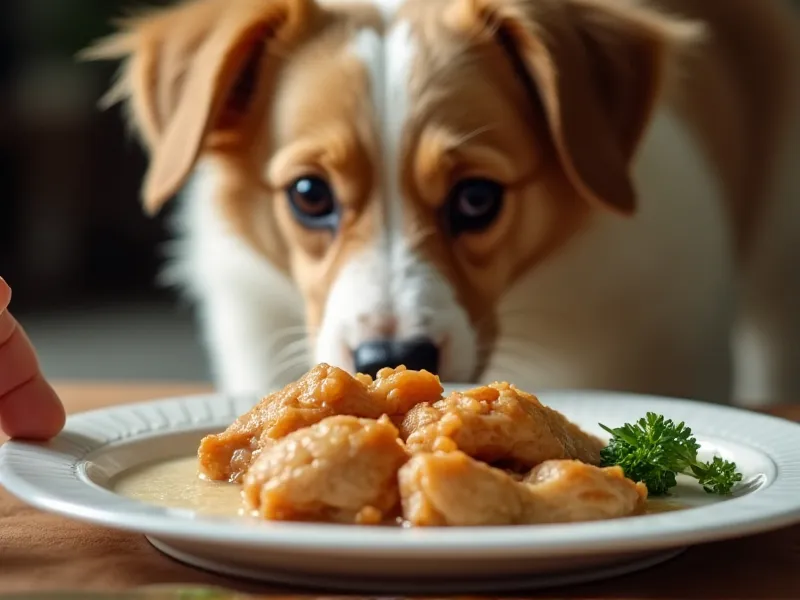
Table of Contents
- Can Dogs Eat Boiled Chicken? The Short Answer
- Benefits of Boiled Chicken for Dogs: Why It’s a Win
- Potential Risks to Watch For
- How Much Boiled Chicken Can Dogs Eat? Guidelines by Size
- Healthier Alternatives (or Complementary Foods)
- FAQ: Your Boiled Chicken Questions Answered
- Conclusion: Moderation is Key
- References
Can Dogs Eat Boiled Chicken? The Short Answer
Yes, dogs can safely eat plain, boneless, unseasoned boiled chicken—and in many cases, it’s actually good for them! Boiled chicken is a lean, protein-rich food that’s easy to digest, making it a popular choice for everything from training treats to recovery meals. However, there are important caveats: never feed cooked bones, avoid seasoning (like salt, garlic, or onion), and keep portions small to avoid unbalancing their diet.
Benefits of Boiled Chicken for Dogs: Why It’s a Win
Boiled chicken isn’t just a tasty snack—it’s packed with nutrients that support your dog’s overall health. Here’s why it’s a go-to for vets and pet parents alike:
1. High-Quality Protein for Muscle & Body Function
Protein is the building block of your dog’s body, and chicken is a complete protein—meaning it contains all the essential amino acids your pup needs (like lysine, which supports tissue repair, and tryptophan, which helps regulate mood). According to the American College of Veterinary Nutrition, adult dogs need at least 18% protein in their diet (and puppies up to 22%) to maintain muscle mass, healthy skin, and a shiny coat. Boiled chicken delivers this protein without the excess fat of, say, a burger or sausage [1].
2. Rich in Vitamins & Minerals
Chicken is more than just protein—it’s a source of key nutrients:
- B Vitamins: Niacin (B3) and pyridoxine (B6) support energy metabolism, brain function, and a healthy coat.
- Selenium: This mineral acts as an antioxidant, boosting your dog’s immune system and protecting cells from damage.
- Phosphorus: Works with calcium to keep bones and teeth strong (though chicken alone isn’t a calcium source—more on that later!).
3. Gentle on Sensitive Stomachs
If your dog has an upset stomach, diarrhea, or is recovering from illness/surgery, vets often recommend a “bland diet” of boiled chicken and rice. Why? Chicken is low in fat and easy to digest, so it won’t irritate their gut. Plus, its mild flavor is usually well-tolerated even by picky eaters [2].
4. Versatile & Palatable
Boiled chicken is a hit with most dogs, making it perfect for:
- Training rewards (small, bite-sized pieces work wonders!).
- Mixing into kibble to entice picky eaters.
- A low-calorie treat for overweight dogs (since it’s lean).
Potential Risks to Watch For
While boiled chicken is generally safe, there are a few risks to avoid. Let’s break them down:
1. Cooked Bones: A Choking & Blockage Hazard
Never feed your dog cooked chicken bones—this is non-negotiable. When bones are cooked, they become brittle and can splinter, lodging in your dog’s throat, esophagus, or intestines. This can cause choking, internal bleeding, or a life-threatening blockage. Even small bones (like from wings or drumsticks) are risky. Always remove all bones before serving [3].
2. Seasoning: Garlic, Onion, and Salt Are Toxic
Plain boiled chicken is safe, but seasoned chicken is not. Avoid any chicken boiled with:
- Garlic/Onion: These contain compounds that damage red blood cells, leading to anemia (even in small amounts). Symptoms include weakness, pale gums, and lethargy [4].
- Salt: Excess salt causes sodium ion poisoning, leading to vomiting, diarrhea, seizures, or even death. A single teaspoon of salt can be toxic to a 20-pound dog [5].
- Herbs/Spices: Stick to unseasoned—even “dog-safe” herbs like rosemary can irritate sensitive tummies in large doses.
3. Allergies (Rare but Possible)
While chicken allergies are less common than, say, beef or dairy, some dogs are allergic. Symptoms include itchy skin, ear infections, paw-licking, or digestive issues. If you notice these after feeding chicken, stop and consult your vet [6].
4. Nutritional Imbalance If Overfed
Chicken is nutritious, but it’s not a complete diet. Dogs need a mix of protein, fats, carbs, vitamins (like vitamin E, which supports skin health), and minerals (like calcium for bones). If your dog eats mostly chicken, they may miss out on these essentials. For example, a chicken-only diet can lead to calcium deficiency, weakening bones over time [1].
5. Fat-Related Issues (From Skin or Excess)
Chicken breast is lean, but the skin is high in fat. Feeding skin or too much chicken can lead to:
- Pancreatitis: A painful inflammation of the pancreas, common in small breeds or dogs prone to obesity. Symptoms include vomiting, diarrhea, and lethargy [7].
- Weight Gain: Extra calories from chicken (even lean) can add up, especially if your dog isn’t active.
How Much Boiled Chicken Can Dogs Eat? Guidelines by Size
The key to feeding boiled chicken safely is moderation. As a general rule, treats (including chicken) should make up no more than 10% of your dog’s daily calories. Here’s a quick guide based on your dog’s weight:
| Dog Size | Daily Calorie Needs (Approx.) | Max Chicken per Day (10% of Calories) | Example Portion |
|---|---|---|---|
| Toy (5–10 lbs) | 150–200 calories | 15–20 calories | 1–2 tbsp (10–15g) |
| Small (10–25 lbs) | 200–400 calories | 20–40 calories | 2–4 tbsp (15–30g) |
| Medium (25–50 lbs) | 400–600 calories | 40–60 calories | 1/4–1/3 cup (30–45g) |
| Large (50–100 lbs) | 600–1,000 calories | 60–100 calories | 1/3–1/2 cup (45–70g) |
| Extra-Large (100+ lbs) | 1,000+ calories | 100+ calories | 1/2–3/4 cup (70–100g) |
Note: Adjust based on your dog’s activity level, age, and health. For example, a very active border collie may need more, while a senior pug may need less.
Healthier Alternatives (or Complementary Foods)
Boiled chicken is great, but variety is key to a balanced diet. Here are some foods to pair with chicken or swap in occasionally:
Lean Proteins
- Turkey: Even lower in fat than chicken, with similar nutrients.
- Boiled Fish (Salmon/Tuna): Rich in omega-3s for joint and skin health (no bones, and limit tuna to avoid mercury).
- Lean Beef: In moderation—higher in iron but also higher in fat than chicken.
Veggies & Carbs (to Add Fiber & Vitamins)
- Carrots/Green Beans: Crunchy, low-calorie, and full of fiber/vitamin A.
- Sweet Potatoes: Cooked, mashed sweet potatoes add vitamins A and C, plus healthy carbs.
- Plain Rice/Oats: Mix with chicken for a bland diet (great for upset tummies).
Commercial Options
For convenience, try freeze-dried chicken treats (no added ingredients) or prescription bland diets (like Hill’s Science Diet i/d) for sick dogs.
FAQ: Your Boiled Chicken Questions Answered
Q: Can puppies eat boiled chicken?
A: Yes! Puppies need extra protein for growth, and boiled chicken is gentle on their developing tummies. Stick to small portions (e.g., 1–2 tsp for a 8-week-old Chihuahua puppy) and mix with puppy food to ensure balance.
Q: Is boiled chicken good for dogs with diarrhea?
A: Absolutely. The BRAT diet (Boiled Rice And Turkey/Chicken) is a vet favorite for calming upset stomachs. Keep it plain, and feed small, frequent meals [2].
Q: Can dogs eat chicken broth?
A: Only if it’s unsalted and unseasoned. Broth with onion/garlic powder is toxic. A splash can make kibble more appealing, but avoid overdoing it (too much liquid can cause diarrhea).
Q: What if my dog ate boiled chicken bones?
A: Contact your vet immediately. Symptoms of blockage/choking include gagging, vomiting, lethargy, or loss of appetite. Don’t induce vomiting unless told to by a vet—bones can damage the esophagus on the way back up [3].
Q: Is organic boiled chicken better for dogs?
A: Organic chicken may have fewer pesticides/antibiotics, but it’s not necessary for all dogs. Conventional chicken is safe as long as it’s boneless and unseasoned.
Conclusion: Moderation is Key
Boiled chicken is a safe, healthy treat for dogs when prepared correctly (boneless, unseasoned) and fed in moderation. It’s packed with protein, easy to digest, and loved by most pups. Just remember: it’s a supplement to their regular diet, not a replacement.
As with any new food, start small and watch for allergies or digestive issues. And when in doubt? Ask your vet—they know your dog’s health best.
So go ahead—next time you’re boiling chicken, share a tiny piece with your pup. Those tail wags will be worth it!
References
- American College of Veterinary Nutrition. (2020). Nutritional Requirements of Dogs. acvn.org
- ASPCA. (2023). Bland Diets for Dogs. aspca.org/pet-care/dog-care/emergency-care/bland-diet
- AVMA. (2022). Dangers of Cooked Bones. avma.org/resources/pet-owners/petcare/cooked-bones-and-pets-dangerous-combination
- Pet Poison Helpline. (2023). Onion & Garlic Toxicity in Dogs. petpoisonhelpline.com/poison/onion-garlic/
- VCA Hospitals. (2023). Salt Toxicity in Dogs. vcahospitals.com/know-your-pet/salt-toxicity-in-dogs
- Cornell University College of Veterinary Medicine. (2021). Food Allergies in Dogs. vet.cornell.edu/departments-centers-and-institutes/cornell-animal-health-diagnostic-center/animal-health-topics/food-allergies-dogs
- American Kennel Club. (2023). Pancreatitis in Dogs. akc.org/expert-advice/health/pancreatitis-in-dogs/