· 8 min read
Can Dogs Eat Boiled Beef Bones? A Pet Parent’s Guide to Safety & Nutrition
It’s a familiar scene: You’re cleaning up after dinner, and there it is—a leftover boiled beef bone, glistening from the stew. Your dog, ever the opportunist, sits at your feet, tail thumping a rapid rhythm, eyes wide with hope. “Surely this bone is a tasty, natural treat for them,” you think. After all, dogs love bones, right?
But before you toss that bone across the room, it’s worth pausing to ask: Are boiled beef bones actually safe for dogs? As pet parents, we want to spoil our furry friends, but their health and safety always come first. In this guide, we’ll break down the facts—from potential benefits to hidden risks, safe feeding tips, and healthier alternatives—so you can make the best choice for your pup.
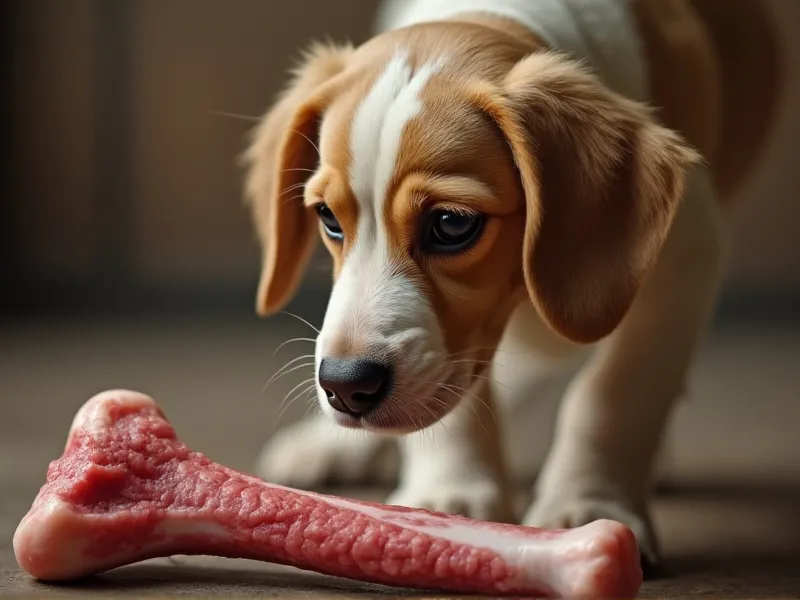
Table of Contents
- Can Dogs Eat Boiled Beef Bones? The Short Answer
- Potential Benefits of Boiled Beef Bones (Yes, There Are Some!)
- The Risks: Why Boiled Bones Can Be Dangerous
- Safe Feeding Guidelines (If You Still Want to Offer One)
- Healthier Alternatives to Boiled Beef Bones
- FAQ: Your Boiled Bone Questions Answered
- Conclusion: Prioritize Safety, Always
Can Dogs Eat Boiled Beef Bones? The Short Answer
No, boiled beef bones are generally not safe for dogs.
While the idea of giving your dog a bone feels “natural” (after all, wolves and wild canines eat bones), domestic dogs have different needs—and boiled bones pose unique risks. Here’s why: When bones are boiled, they become dry, brittle, and prone to splintering. These sharp fragments can lodge in your dog’s throat, puncture their digestive tract, or cause life-threatening blockages.
That said, some pet parents do offer large, raw beef bones (like femurs) with success, as raw bones are softer and less likely to splinter. But boiled bones? The cooking process changes their structure, making them far more dangerous. Let’s dig deeper into the pros and cons.
Potential Benefits of Boiled Beef Bones (Yes, There Are Some!)
Before we focus on the risks, it’s fair to acknowledge that bones—when prepared and served carefully—can offer some nutritional perks. Here’s what you might be tempted by:
1. Nutrient-Rich Marrow
The soft, fatty marrow inside bones is packed with nutrients:
- Healthy fats: Supports skin and coat health.
- Vitamins A, D, E, K: Essential for immune function and organ health.
- Minerals: Calcium, phosphorus, and potassium, which support strong bones, teeth, and muscle function.
2. Mental Stimulation & Dental Health
Chewing is a natural stress reliever for dogs. Gnawing on a bone can keep them occupied (goodbye, chewed shoes!) and may help scrape plaque off their teeth—though this benefit is debated among vets (more on that later).
3. Fiber from Connective Tissue
If the bone still has bits of cartilage or connective tissue (like ligaments), these can provide a small amount of fiber, which aids digestion. They may also contain glucosamine and chondroitin, compounds that support joint health.
But here’s the catch: These benefits are overshadowed by the risks of boiled bones. The nutrients in marrow, for example, can be found in safer sources (like boneless cooked beef or dog-friendly supplements). And mental stimulation? There are plenty of chew toys that don’t threaten your dog’s life.
The Risks: Why Boiled Bones Can Be Dangerous
Now, let’s get serious. Boiled beef bones pose several critical risks to your dog’s health. Here’s what you need to watch for:
1. Splintering & Internal Injury
Boiling removes moisture from bones, making them hard and brittle. When your dog chews, the bone can shatter into sharp shards that:
- Puncture the mouth, throat, or esophagus: Causing pain, bleeding, or difficulty breathing.
- Tear the stomach or intestines: Leading to peritonitis (a life-threatening infection) or internal bleeding.
Vets often see emergency cases where dogs have swallowed bone fragments, requiring surgery to remove them.
2. Choking Hazard
Small bones (like rib bones) or broken-off pieces can get stuck in your dog’s throat, blocking their airway. Even large bones can break into smaller chunks if your dog is a aggressive chewer.
3. Intestinal Blockage
Bone fragments that make it past the throat can get stuck in the intestines, causing a blockage. Symptoms include vomiting, diarrhea, lethargy, and loss of appetite. Blockages often require surgery to resolve.
4. Dental Fractures
Hard boiled bones can crack or break your dog’s teeth—especially if they’re a “power chewer.” Broken teeth are painful and may require extraction.
5. Bacterial Contamination
If the bone isn’t properly cleaned or stored, it can harbor bacteria like Salmonella or E. coli, which can sicken both your dog and your family. Boiling kills some bacteria, but not all—especially if the bone is left out at room temperature.
6. Upset Stomach
Even if no splinters occur, the high fat content in marrow can cause pancreatitis (inflammation of the pancreas) in dogs, especially small breeds or those prone to digestive issues. Symptoms include vomiting, diarrhea, and severe abdominal pain.
Safe Feeding Guidelines (If You Still Want to Offer One)
We strongly recommend avoiding boiled beef bones, but if you’re set on giving your dog a bone, here’s how to minimize risk (though we still advise consulting your vet first):
1. Choose the Right Size & Type
- Stick to large, weight-bearing bones: Think beef femurs or knuckles. These are thick and less likely to splinter (though still not risk-free). Avoid small bones (ribs, chicken bones) or thin bones (lamb bones) entirely.
- Raw, not boiled: Raw bones are softer and more flexible, reducing splinter risk. Boiled bones are a no-go.
2. Supervise Constantly
Never leave your dog alone with a bone. If they start gnawing aggressively or breaking off pieces, take the bone away immediately.
3. Limit Time & Frequency
- Let them chew for 15–20 minutes max. After that, the bone may dry out and become more brittle.
- Offer bones as an occasional treat (once a week at most), not a daily snack.
4. Remove Small or Sharp Pieces
If the bone starts to chip or break, throw it away. Even small fragments can be dangerous.
5. Avoid Seasonings or Additives
Only give plain, unseasoned bones. Broth, salt, garlic, or onions (common in stews) are toxic to dogs.
Healthier Alternatives to Boiled Beef Bones
If you want to treat your dog to a chew without the risks, try these vet-approved alternatives:
1. Boneless Cooked Beef
Skip the bone entirely! Lean, cooked beef (no seasoning) is a safe, protein-rich treat. It has all the nutrients of marrow without the splinters.
2. Dental Chews (VOHC-Approved)
Look for chews with the Veterinary Oral Health Council (VOHC) seal. These are designed to reduce plaque and tartar without breaking into sharp pieces. Examples: Greenies, Pedigree Dentastix.
3. Rawhide-Free Chews
Options like bully sticks (dried bull pizzle), antlers (hard but less splintery than bones), or Himalayan yak chews are long-lasting and safer than bones. Always choose large sizes to avoid choking.
4. Frozen Treats
Freeze low-sodium chicken broth in a Kong toy, or blend frozen bananas and peanut butter (no xylitol!) for a cool, chewy snack.
5. Joint Supplements
If you’re after glucosamine for joint health, ask your vet about supplements. They’re safer and more effective than relying on bones.
FAQ: Your Boiled Bone Questions Answered
Q: Can puppies eat boiled beef bones?
A: No. Puppies have smaller jaws, softer teeth, and developing digestive systems, making them more prone to choking or blockages. Stick to puppy-safe chews like teething rings.
Q: My dog ate a boiled bone fragment—what should I do?
A: Monitor for symptoms like vomiting, diarrhea, lethargy, or difficulty pooping. If you notice any of these, contact your vet immediately. Even if they seem fine, call your vet—some blockages take hours or days to show symptoms.
Q: Are raw bones safer than boiled bones?
A: Raw bones are less risky because they’re softer and less likely to splinter, but they’re not risk-free. They can still carry bacteria (Salmonella) or cause blockages. Ask your vet if raw bones are right for your dog.
Q: Can bones help clean my dog’s teeth?
A: Maybe, but not reliably. Aggressive chewing can damage teeth, and plaque removal is minimal compared to professional dental cleanings or VOHC-approved chews.
Q: What if my dog has always eaten boiled bones and been fine?
A: Lucky! But “it worked before” doesn’t mean it’s safe. Many dogs chew bones for years without issue—until one day, a fragment gets stuck. It’s not worth the risk.
Conclusion: Prioritize Safety, Always
At the end of the day, the question “Can dogs eat boiled beef bones?” has a clear answer: For most dogs, it’s not worth the risk. While the urge to share a tasty bone with your pup is understandable, boiled bones pose serious dangers—from splinters to blockages—that can lead to expensive vet bills or worse.
Instead, opt for safer alternatives: boneless cooked meat, dental chews, or puzzle toys. And when in doubt, consult your vet. They know your dog’s breed, age, and health history, and can help you choose treats that keep them happy and healthy.
Your pup’s wagging tail and healthy smile are worth the extra caution.
Happy (and safe!) treating!