· 9 min read
Can Dogs Eat Black Rice? A Pet Parent’s Guide to Safety, Benefits, and Risks
You’re standing at the stove, stirring a pot of fragrant black rice—its deep, purple-black hue glistening like tiny jewels. Beside you, your dog sits, tail thumping, nose twitching at the aroma. “Can they have a little?” you wonder. After all, you’ve heard rice is a common ingredient in dog food, but black rice? It feels fancier, maybe even healthier. Is it safe?
If you’ve ever asked yourself, “Can dogs eat black rice?” you’re not alone. As pet parents, we want to share the best (and yummiest) parts of our meals with our furry companions—but we also need to keep their health top of mind. In this guide, we’ll break down everything you need to know: whether black rice is safe, its potential benefits, risks to watch for, how much to feed, and even healthier alternatives. Let’s dig in!
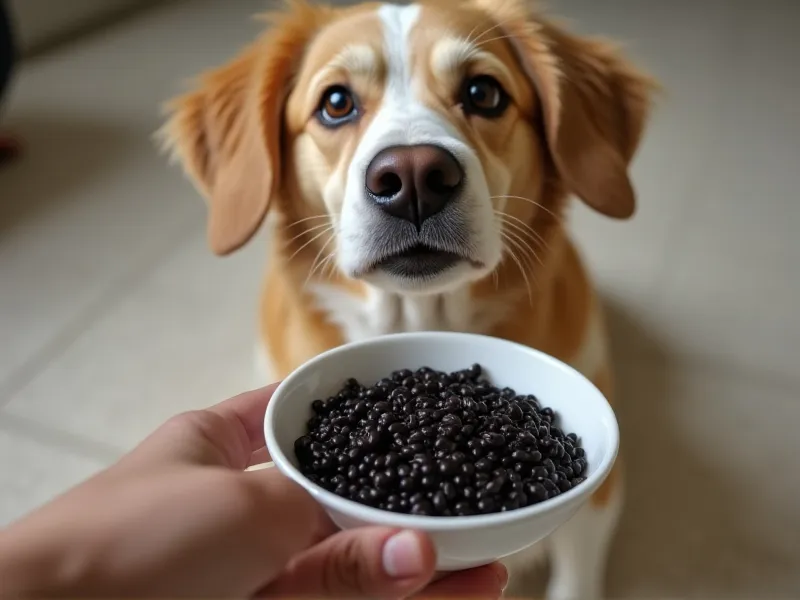
Table of Contents
- Can Dogs Eat Black Rice? The Short Answer
- The Nutritional Benefits of Black Rice for Dogs
- Fiber: Supporting Digestive Health
- Antioxidants: Fighting Free Radicals
- Iron & Potassium: Essential Minerals
- More Nutrient-Dense Than White Rice
- Potential Risks to Watch For
- Stomach Upset from Overindulgence
- Choking Hazards (Undercooked or Unprepared)
- Hidden Additives: Sugar, Salt, and Seasonings
- Weight Gain and Blood Sugar Concerns
- How Much Black Rice Can Dogs Safely Eat?
- Healthier Alternatives to Black Rice for Dogs
- Frequently Asked Questions (FAQ)
- Conclusion: Moderation and Veterinary Guidance
- References
Can Dogs Eat Black Rice? The Short Answer
Yes, dogs can eat black rice—in moderation, when prepared properly.
Black rice itself is not toxic to dogs. In fact, it’s packed with nutrients that may offer health benefits, like fiber, antioxidants, and minerals. However, it’s not a substitute for your dog’s balanced, species-appropriate diet. Think of it as an occasional “treat” or supplement to their regular food, not a meal replacement.
The key here is preparation and portion control. Black rice must be fully cooked, plain (no added sugar, salt, or seasonings), and served in small amounts to avoid digestive upset or weight gain.
The Nutritional Benefits of Black Rice for Dogs
Black rice—often called “forbidden rice” due to its historical rarity—is a whole grain with a higher nutrient profile than white or even brown rice. Let’s break down its top benefits for dogs:
1. Fiber: Supporting Digestive Health
Black rice is rich in dietary fiber (about 3.5 grams per cooked cup, according to the USDA1), which helps keep your dog’s digestive system running smoothly. Fiber adds bulk to stool, aiding in regular bowel movements, and can even help dogs with mild diarrhea by firming up stool (similar to how white rice is used in “bland diets” for upset tummies).
For dogs prone to constipation, a small amount of fiber from black rice may provide relief. Just remember: too much fiber can lead to gas or diarrhea, so balance is key!
2. Antioxidants: Fighting Free Radicals
One of black rice’s standout features is its high concentration of anthocyanins—the same antioxidants that give blueberries, blackberries, and purple sweet potatoes their vibrant color. Anthocyanins have powerful anti-inflammatory and immune-boosting properties2. In dogs, they may help reduce oxidative stress (damage from free radicals) and support overall cellular health.
Research suggests anthocyanins could even benefit dogs with joint issues or age-related conditions by reducing inflammation3. While more studies are needed on pets specifically, the antioxidant content makes black rice a more nutrient-dense choice than white rice, which is stripped of its bran (and most antioxidants) during processing.
3. Iron & Potassium: Essential Minerals
Black rice is a natural source of iron and potassium, two minerals vital for your dog’s health:
- Iron: Helps transport oxygen in the blood (critical for energy and organ function). Iron deficiency can lead to anemia, though this is rare in dogs on balanced diets.
- Potassium: Supports heart health, muscle function, and fluid balance. It’s especially important for active dogs or those recovering from illness.
4. More Nutrient-Dense Than White Rice
White rice is a common “filler” in commercial dog foods because it’s easy to digest, but it’s stripped of most nutrients (fiber, vitamins, minerals) during processing. Black rice, on the other hand, retains its bran and germ, making it a more nutrient-rich carb option. For example:
- Black rice has 8x more iron than white rice1.
- It contains 3x more fiber than white rice and slightly more than brown rice1.
Potential Risks to Watch For
While black rice is generally safe, there are risks to consider before sharing it with your dog:
1. Stomach Upset from Overindulgence
Dogs’ digestive systems are sensitive to sudden changes in diet. Even if your dog tolerates rice well, introducing too much black rice at once can cause gas, bloating, diarrhea, or constipation. This is especially true for dogs used to a grain-free diet or those with sensitive stomachs.
2. Choking Hazards (Undercooked or Unprepared)
Undercooked black rice is hard, chewy, and poses a choking risk—especially for small dogs or those who gulp their food. Always cook black rice until it’s soft and tender (it may take 25–30 minutes, longer than white rice). Avoid serving it whole; break it up with a fork or mix it into their regular food to prevent choking.
3. Hidden Additives: Sugar, Salt, and Seasonings
Plain, cooked black rice is safe—but flavored rice is not. Avoid sharing rice cooked with:
- Sugar, honey, or syrup (empty calories, can lead to obesity or dental issues).
- Salt, soy sauce, or garlic/onion powder (salt is toxic in large amounts; garlic and onions are highly toxic to dogs, even in small doses4).
- Butter, oil, or spices (excess fat can cause pancreatitis; some spices, like chili powder, irritate dogs’ stomachs).
4. Weight Gain and Blood Sugar Concerns
Black rice is a carbohydrate, and too many carbs can lead to weight gain in dogs—especially less active or senior dogs. For dogs with diabetes, black rice (like all grains) should be limited, as it can spike blood sugar levels. Always consult your vet before adding black rice to a diabetic dog’s diet.
How Much Black Rice Can Dogs Safely Eat?
The golden rule: Treat black rice as a supplement, not a meal. The amount depends on your dog’s size, age, and activity level. Here are general guidelines:
| Dog Size | Recommended Serving (Cooked, Plain Black Rice) | Frequency |
|---|---|---|
| Small (5–20 lbs) | 1–2 tablespoons | 1–2x per week |
| Medium (21–50 lbs) | 2–3 tablespoons | 1x per week |
| Large (51–100+ lbs) | ¼–½ cup (max) | 1x per week |
Pro tips for serving:
- Mix black rice into your dog’s regular kibble or wet food (don’t serve it alone).
- Start with a tiny amount (e.g., 1 teaspoon for small dogs) to test for allergies or digestive issues.
- Always serve it cooled (hot food can burn your dog’s mouth).
Healthier Alternatives to Black Rice for Dogs
Black rice is nutritious, but there are other grains and carbs that may be better suited to your dog’s needs. Here are some alternatives:
1. Brown Rice
Brown rice is a classic “safe” grain for dogs. It has more fiber than white rice and is easier to digest than black rice for some dogs. It’s often used in commercial dog foods and is a great option for dogs with sensitive stomachs.
2. Quinoa
Quinoa is a pseudocereal (not a true grain) and a complete protein, meaning it contains all nine essential amino acids dogs need. It’s gluten-free, high in fiber, and rich in iron and magnesium. A great choice for dogs needing extra protein.
3. Sweet Potatoes
Sweet potatoes are a nutrient-dense carb packed with beta-carotene (which converts to vitamin A), fiber, and potassium. They’re naturally sweet (dogs love them!) and gentle on digestion. Bake or boil them plain for a tasty treat.
4. Oats
Oats are high in soluble fiber (which supports heart health) and easy to digest. They’re a great option for dogs with food allergies or sensitivities, as they’re gluten-free (if labeled “gluten-free oats”).
Frequently Asked Questions (FAQ)
Q: Is black rice better than white rice for dogs?
A: Yes, nutritionally speaking. Black rice has more fiber, antioxidants, and minerals than white rice, which is stripped of most nutrients. However, white rice is easier to digest and is often recommended for dogs with upset stomachs (due to its low fiber content).
Q: Can puppies or senior dogs eat black rice?
A: Puppies can have small amounts of black rice, but their diet should focus on puppy-formulated food (which has the right balance of protein, fat, and calories for growth). Senior dogs may benefit from black rice’s fiber and antioxidants, but avoid overfeeding to prevent weight gain (seniors are less active). Always check with your vet first.
Q: Is black rice safe for dogs with diabetes?
A: It depends. Black rice is a carbohydrate, so it can raise blood sugar levels. If your dog has diabetes, consult your vet before feeding black rice. They may recommend limiting portions or avoiding it altogether.
Q: My dog ate undercooked black rice—should I worry?
A: Monitor them for choking, vomiting, or diarrhea. Undercooked rice is hard to digest and may cause stomach upset. If your dog shows signs of distress (e.g., gagging, lethargy), contact your vet.
Q: Can dogs eat black rice pudding?
A: No. Black rice pudding typically contains sugar, milk, or cream—all of which are bad for dogs. Dairy can cause diarrhea in lactose-intolerant dogs, and sugar leads to obesity and dental issues. Stick to plain, cooked black rice only.
Conclusion: Moderation and Veterinary Guidance
Black rice can be a healthy, occasional treat for dogs when served plain, cooked, and in small amounts. Its fiber, antioxidants, and minerals offer potential benefits, but it’s no substitute for a balanced dog food.
As with any new food, start small and watch for signs of digestive upset. If your dog has health issues (e.g., diabetes, kidney disease, or food allergies), always consult your vet before adding black rice to their diet.
At the end of the day, the best thing you can do for your pup is prioritize their regular, vet-approved food—and save the black rice for special “taste-test” moments. After all, sharing a tiny bite (when safe!) is just another way to show them love.
References
Footnotes
-
U.S. Department of Agriculture (USDA). FoodData Central: Black Rice, Cooked. Link ↩ ↩2 ↩3
-
Liu, R. et al. (2016). “Anthocyanins: Chemical Properties, Biosynthesis, and Biological Activities.” Journal of Food Science and Technology. Link ↩
-
Kim, H. et al. (2018). “Anthocyanins and Their Metabolites in Relation to Chronic Diseases.” Antioxidants. Link ↩
-
American Society for the Prevention of Cruelty to Animals (ASPCA). People Foods to Avoid Feeding Your Pets. Link ↩