· 8 min read
Can Dogs Eat Black Olives? A Pet Parent’s Guide to Safe Snacking
Picture this: You’re cozied up on the couch, enjoying a fresh Greek salad or a slice of margherita pizza, when your dog trots over. Their tail wags, eyes wide, and they fixate on the tiny, shiny black olives on your plate. “Can I share?” their stare seems to ask. If you’re like most pet parents, you pause. Olives are salty, squishy, and kind of weird—are they safe for dogs?
Black olives are a staple in human diets, loved for their briny flavor and versatility. But when it comes to our furry friends, not everything we eat is fair game. In this guide, we’ll break down whether black olives are dog-friendly, their potential benefits and risks, how much to feed (if any), and healthier alternatives to keep your pup happy and healthy.
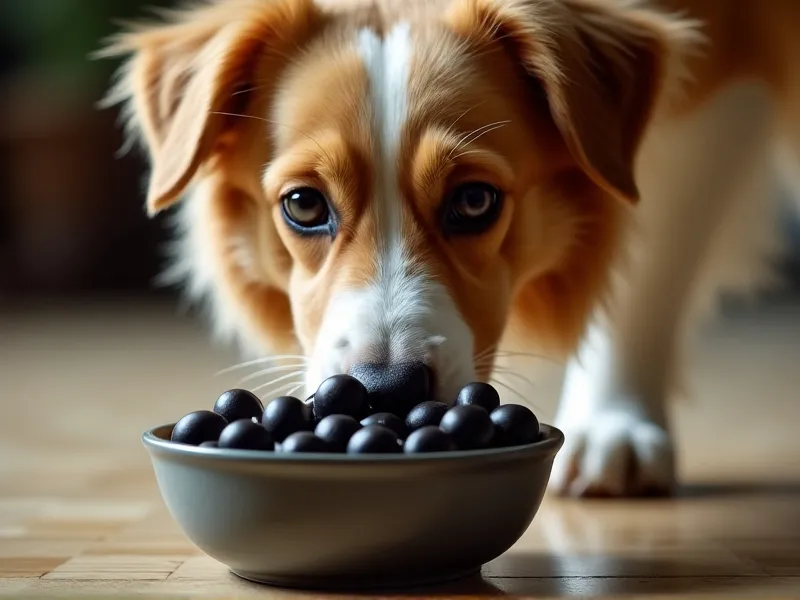
Table of Contents
- Can Dogs Eat Black Olives? The Short Answer
- The Nutritional Breakdown: What Black Olives Offer Dogs
- Potential Benefits of Black Olives for Dogs
- Risks and Concerns to Watch For
- How Much Black Olive is Safe for Dogs?
- Healthier Alternatives to Black Olives
- FAQ: Your Black Olive Questions Answered
- Conclusion: Moderation is Key
Can Dogs Eat Black Olives? The Short Answer
Yes, dogs can eat black olives—but only in small, carefully prepared amounts. When served pitted, plain, and low in sodium, black olives are generally safe as an occasional treat. They are not toxic to dogs, and their mild flavor may even appeal to some pups. However, they should never replace a balanced dog food diet, and there are important risks (like pits or excess salt) to avoid.
The Nutritional Breakdown: What Black Olives Offer Dogs
To understand if black olives are a good fit for your dog, let’s start with their nutrition. A single medium black olive (about 4g) typically contains:
- Calories: ~4
- Fat: ~0.3g (mostly monounsaturated fat, like oleic acid)
- Sodium: ~30-50mg (varies by brand; brined olives are higher)
- Fiber: ~0.1g
- Vitamins: Trace amounts of vitamin E, vitamin A, and vitamin K
- Minerals: Small amounts of potassium, iron, and calcium
Most of an olive’s calories come from fat, and its sodium content is a key concern (more on that later). Importantly, olives are not nutrient-dense compared to a dog’s regular food, which is formulated to meet all their dietary needs. Think of them as a “sometimes” snack, not a nutritional boost.
Potential Benefits of Black Olives for Dogs
While black olives aren’t a superfood for dogs, they do offer a few minor perks when fed responsibly:
1. Antioxidant Support from Vitamin E
Black olives contain vitamin E, an antioxidant that helps protect cells from damage caused by free radicals. In dogs, vitamin E supports skin health, immune function, and eye health. However, most high-quality dog foods already include adequate vitamin E, so olives are more of a bonus than a necessity.
2. Fiber for Digestive Health
The small amount of fiber in olives can support healthy digestion by promoting regular bowel movements. This is especially true for dogs with occasional constipation, but again, fiber should primarily come from their regular diet (e.g., pumpkin, sweet potatoes, or formulated kibble).
3. Potassium for Heart and Nerve Function
Potassium is an electrolyte that helps regulate heart rate, muscle contractions, and nerve signals. Black olives have a tiny amount of potassium, which can complement the potassium found in dog food. Just don’t rely on olives to meet your dog’s potassium needs—bananas or sweet potatoes are better sources.
Risks and Concerns to Watch For
The benefits of black olives are minimal, but the risks are real if not fed carefully. Here’s what to watch for:
1. Choking Hazard and Intestinal Blockage (Pits!)
The biggest risk of black olives for dogs is the pit. Olive pits are hard, small, and can easily get stuck in a dog’s throat, causing choking. If swallowed, they may also block the intestines, which can be life-threatening and require surgery. Always, always remove pits before offering olives to your dog. Even “pitted” olives sometimes have fragments left behind, so double-check!
2. High Sodium Content
Most black olives are preserved in brine (saltwater), which makes them high in sodium. Dogs have much lower sodium requirements than humans: the Association of American Feed Control Officials (AAFCO) recommends no more than 0.3% sodium in adult dog food (about 100mg per 100kcal). A single brined olive can have 30-50mg of sodium—so a handful could quickly exceed your dog’s daily limit.
Excess sodium in dogs can lead to:
- Dehydration (excessive thirst, dry gums)
- Electrolyte imbalances
- Increased blood pressure (hypertension)
- Kidney strain, especially in dogs with pre-existing kidney disease
If you want to share olives, opt for unsalted, rinsed olives (if available) to reduce sodium. Even then, limit portions.
3. Stomach Upset from Fat or Fiber
While the fat in olives is mostly healthy monounsaturated fat, too much can upset a dog’s stomach. Dogs with sensitive digestion may experience diarrhea, vomiting, or pancreatitis (in severe cases) if they eat a lot of olives. The small fiber content can also cause gas or loose stools in some dogs, especially if they’re not used to it.
4. Added Ingredients (Avoid These!)
Many olives are flavored with garlic, onions, herbs, or spices (e.g., oregano, chili flakes). Garlic and onions are toxic to dogs—they can damage red blood cells, leading to anemia. Even small amounts can be harmful, so never share seasoned olives. Stick to plain, pitted, unflavored black olives only.
How Much Black Olive is Safe for Dogs?
The golden rule: Less is more. Black olives should be an occasional treat, not a daily snack. Here’s a general guideline based on your dog’s size:
- Small dogs (under 20lbs): 1-2 pitted olives, once a week at most.
- Medium dogs (20-50lbs): 2-3 pitted olives, once a week.
- Large dogs (50+lbs): 3-4 pitted olives, once a week.
If your dog has health issues like kidney disease, heart disease, or high blood pressure, skip olives entirely—sodium is too risky. Always introduce new foods slowly: offer one olive first, then wait 24 hours to check for stomach upset (vomiting, diarrhea, or lethargy). If they react, avoid olives in the future.
Healthier Alternatives to Black Olives
If you want to treat your dog to a savory snack without the sodium or pit risks, try these safer options:
1. Fresh Veggies
- Carrots: Crunchy, low-calorie, and high in fiber and vitamin A.
- Cucumber: Hydrating, low-sodium, and refreshing (great for hot days).
- Green beans: Packed with fiber and vitamins, and low in calories.
- Bell peppers: Crunchy and full of vitamin C (remove seeds first).
2. Fruits (In Moderation)
- Blueberries: Antioxidant-rich and low in sugar.
- Bananas: A good source of potassium and fiber (small slices only—high in sugar).
- Apples: Crunchy and full of fiber (remove core and seeds, which contain cyanide).
3. Dog-Safe Dips or Spreads
- Plain Greek yogurt: Probiotic-rich (no added sugar or artificial sweeteners like xylitol).
- Unsalted peanut butter: A protein-packed treat (check for xylitol-free brands).
FAQ: Your Black Olive Questions Answered
Q: Can dogs eat olive pits?
A: No! Olive pits are a choking hazard and can cause intestinal blockages. Always remove pits before feeding olives to your dog.
Q: What’s the difference between black olives and green olives for dogs?
A: Both are safe in small, pitted amounts, but green olives are unripe and may have a more bitter taste (some dogs dislike them). They also tend to be higher in sodium than black olives, so black olives are slightly better if choosing between the two.
Q: My dog ate a whole jar of black olives! What should I do?
A: Contact your vet immediately. A large amount of olives can cause sodium poisoning (symptoms: vomiting, diarrhea, excessive thirst, lethargy, seizures) or an intestinal blockage (if pits were swallowed). Your vet may recommend inducing vomiting or monitoring for symptoms.
Q: Are low-sodium olives safer for dogs?
A: Yes! Low-sodium or unsalted olives reduce the risk of sodium overload. Even better: rinse brined olives under water to remove excess salt before feeding.
Q: Can puppies eat black olives?
A: Puppies have smaller stomachs and developing kidneys, so it’s best to avoid olives. Stick to puppy-safe treats like small carrot pieces instead.
Conclusion: Moderation is Key
So, can dogs eat black olives? Yes—in small, pitted, low-sodium amounts, as an occasional treat. They’re not toxic, but they’re also not necessary for your dog’s health. The risks (pits, sodium, stomach upset) far outweigh the minor benefits, so always prioritize their regular, balanced diet.
If you do share an olive with your pup, make it a special moment—maybe as a reward during training or a tiny “people food” treat. And when in doubt, consult your vet, especially if your dog has health issues. After all, their well-being is worth more than a single olive!
References
- American Society for the Prevention of Cruelty to Animals (ASPCA). “Toxic and Non-Toxic Plants.” aspca.org
- American Kennel Club (AKC). “Can Dogs Eat Olives?” akc.org
- Veterinary Information Network (VIN). “Nutrition for Dogs: Sodium Requirements.” vin.com
- World Small Animal Veterinary Association (WSAVA). “Global Nutrition Guidelines.” wsava.org