· 10 min read
Can Dogs Eat Black Beans? A Pet Parent’s Guide to Safe Snacking
You’re stirring a pot of black bean chili on a chilly evening, the aroma filling the kitchen. Out of the corner of your eye, you spot your dog: tail wagging, nose twitching, and that irresistible “please share” stare locked on your spoon. It’s a common scenario for pet parents—we love our dogs like family, and sharing our meals feels like a way to bond. But before you cave to those puppy eyes, you pause: Are black beans safe for dogs?
Black beans are a nutritional powerhouse for humans, lauded for their protein, fiber, and vitamins. But dogs have different dietary needs, and what’s healthy for us isn’t always safe for them. In this guide, we’ll answer the big question, break down the benefits and risks, and give you practical tips to keep your pup happy and healthy. Let’s dive in!
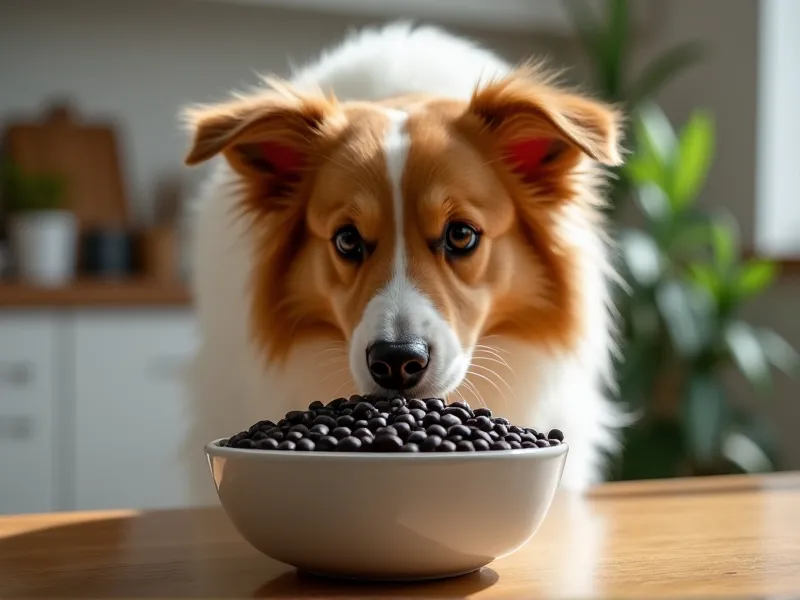
Table of Contents
- Can Dogs Eat Black Beans? The Short Answer
- The Benefits of Black Beans for Dogs
- Potential Risks: What to Watch Out For
- How to Safely Feed Black Beans to Your Dog
- Healthier Alternatives to Black Beans
- Frequently Asked Questions (FAQ)
- Conclusion: Moderation is Key
- References
Can Dogs Eat Black Beans? The Short Answer
Yes, dogs can eat black beans—but only in moderation and when prepared properly.
Black beans are non-toxic to dogs and can offer some nutritional benefits, making them a偶尔 (occasional) healthy treat. However, they’re not a substitute for a balanced dog food diet, and overfeeding or improper preparation can lead to digestive upset or other issues. Think of black beans as a “supplement” to your dog’s regular meals, not a main course.
To keep things safe, always cook black beans thoroughly, avoid added sugars or salts, and stick to small portions. Let’s explore why black beans can be good for dogs—and when they might cause trouble.
The Benefits of Black Beans for Dogs
Black beans are packed with nutrients that can support your dog’s health when fed correctly. Here’s how they might boost your pup’s well-being:
1. Plant-Based Protein
Dogs need protein to build muscle, repair tissues, and support a healthy coat. While animal protein (like chicken or beef) should be the primary source of protein in your dog’s diet, black beans offer a plant-based boost. A ½-cup serving of cooked black beans contains about 8 grams of protein—perfect for adding a little extra to your dog’s bowl, especially if they’re a picky eater or need a low-fat option.
2. Fiber for Digestive Health
Fiber is essential for keeping your dog’s gut happy. Black beans are rich in both soluble and insoluble fiber:
- Soluble fiber helps slow digestion, regulating blood sugar and keeping your dog full longer (great for weight management!).
- Insoluble fiber adds bulk to stool, supporting regular bowel movements and preventing constipation.
A small serving of black beans can help dogs with mild digestive issues, like occasional constipation, by keeping things moving smoothly.
3. Potassium for Heart and Muscle Function
Potassium is a vital mineral that supports heart health, muscle contraction, and nerve function. Dogs with low potassium levels may experience weakness or fatigue, so adding potassium-rich foods like black beans (which have about 394 mg per ½ cup) can help keep their levels in check. Just be cautious if your dog has kidney disease—excess potassium can be harmful, so check with your vet first.
4. Iron and Folate for Energy
Iron helps red blood cells carry oxygen throughout the body, while folate (a B-vitamin) supports cell growth and DNA repair. Together, these nutrients boost energy levels and overall vitality. Senior dogs or those with anemia may benefit from a tiny iron boost, though black beans shouldn’t replace veterinary treatment for severe deficiencies.
5. Low in Fat and Calories
Compared to many dog treats (looking at you, cheese and bacon!), black beans are low in fat and calories. A ¼-cup serving of cooked black beans has only about 50 calories and 0.5 grams of fat, making them a great option for dogs watching their weight or prone to pancreatitis.
Potential Risks: What to Watch Out For
While black beans can be healthy, they’re not without risks—especially if fed incorrectly. Here’s what to avoid:
1. Uncooked or Undercooked Beans
Raw black beans contain lectins, a type of protein that can irritate your dog’s digestive system, leading to vomiting, diarrhea, or stomach pain. Cooking beans thoroughly breaks down lectins, making them safe to eat. Never feed your dog raw or undercooked black beans—always boil or pressure-cook them until soft.
2. Added Sugars, Salt, or Seasonings
Canned black beans often come with added salt, sugar, or spices (like garlic or onion), which are toxic to dogs. Even a small amount of salt can lead to sodium ion poisoning in dogs, causing symptoms like vomiting, diarrhea, seizures, or even death in severe cases. Always choose unsalted, no-sugar-added canned black beans—and rinse them thoroughly to remove excess sodium.
3. Gas and Bloating
Beans are famous for causing gas in humans, and dogs are no exception! The fiber and complex carbohydrates in black beans can ferment in your dog’s gut, leading to bloating, flatulence, or discomfort. This is especially true if your dog isn’t used to high-fiber foods. Start with tiny portions (like a teaspoon for small dogs) to see how their stomach reacts.
4. Choking Hazard
Whole, dry black beans are hard and small—perfect for getting stuck in your dog’s throat, especially for small breeds or dogs who gulp their food. Even cooked whole beans can pose a risk if your dog eats them too quickly. To avoid choking, mash or chop cooked black beans before feeding, or mix them into wet food to slow your dog down.
5. Overfeeding Leads to Weight Gain
While black beans are low in fat, they’re still calorie-dense. Feeding too many can lead to weight gain, especially in less active dogs. A 5-pound Chihuahua, for example, only needs about 200 calories per day—so a ¼ cup of black beans (50 calories) would make up 25% of their daily intake! Stick to small, occasional servings.
How to Safely Feed Black Beans to Your Dog
If you want to share black beans with your pup, follow these steps to keep them safe:
1. Cook Them Thoroughly
Always cook black beans until they’re soft. Boil dried beans for 45–60 minutes (or use a pressure cooker for 15–20 minutes) to break down lectins and make them easy to digest. Avoid using oil, salt, garlic, or onions during cooking—these can harm dogs.
2. Choose the Right Type
- Dried black beans: Best option! They’re free of added sugars and sodium. Just soak them overnight first to reduce cooking time and gas-causing compounds.
- Canned black beans: Okay if you can’t cook dried beans, but only if they’re labeled “no salt added” or “low sodium.” Rinse them under cold water for 1–2 minutes to wash away excess salt.
Avoid: Canned beans with added flavors (like “spiced” or “honey-glazed”), as these often contain sugar, garlic, or onion.
3. Portion Control: Size Matters
The amount of black beans your dog can safely eat depends on their size and activity level. Here’s a general guide:
- Small dogs (under 20 lbs): 1–2 teaspoons per day (mixed into food).
- Medium dogs (20–50 lbs): 1–2 tablespoons per day.
- Large dogs (50+ lbs): Up to ¼ cup per day.
Remember: Black beans should be a treat, not a meal. They shouldn’t make up more than 10% of your dog’s daily calories.
4. Introduce Gradually
Start with a tiny portion (like ½ teaspoon for small dogs) and watch for signs of digestive upset (gas, diarrhea, vomiting). If your dog tolerates it, slowly increase the amount over a week or two.
5. Mix, Don’t Replace
Black beans are best mixed into your dog’s regular food, not served alone. For example, stir a tablespoon into their kibble or add a few mashed beans to homemade dog treats (like pumpkin and black bean biscuits). This ensures they’re still getting the balanced nutrition of their regular diet.
Healthier Alternatives to Black Beans
If your dog doesn’t love black beans, or you want to switch up their treats, these alternatives offer similar benefits with fewer risks:
1. Green Beans
Green beans are a dog favorite! They’re low in calories, high in fiber, and contain vitamins A, C, and K. Serve them cooked or raw (chopped into small pieces to avoid choking). They’re great for dogs on weight-loss diets—crunchy and satisfying without the calories.
2. Cooked Lentils
Lentils are smaller than black beans, so they’re less of a choking hazard. They’re also high in protein, fiber, and iron. Cook them plain and mash them into your dog’s food for a nutrient boost.
3. Chickpeas (Garbanzo Beans)
Like black beans, chickpeas are rich in protein and fiber—but they’re softer when cooked, making them easier to digest. Rinse canned chickpeas (no salt added!) and mash them for a creamy treat.
4. Sweet Potatoes
Sweet potatoes are packed with fiber, beta-carotene (which converts to vitamin A), and potassium. Bake or boil them plain, then mash or cube for a tasty, nutrient-dense snack. They’re gentle on the stomach and great for dogs with food sensitivities.
5. Pumpkin (Plain, Canned)
Plain, unsweetened pumpkin is a go-to for digestive health. It’s high in fiber and helps soothe upset stomachs (both diarrhea and constipation). Mix a tablespoon into your dog’s food for a boost.
Frequently Asked Questions (FAQ)
Q: Can puppies eat black beans?
A: Yes, but in very small portions. Puppies have sensitive tummies, so start with ½ teaspoon of mashed, cooked black beans and monitor for gas or diarrhea. Avoid overfeeding, as their diets should focus on puppy-specific food for growth.
Q: My dog ate a can of black beans with salt—should I worry?
A: It depends on the amount. A small dog (under 10 lbs) eating a full can of salted beans could develop sodium ion poisoning (symptoms: vomiting, diarrhea, tremors). Call your vet immediately if your dog shows signs of distress. For larger dogs, a single can may just cause gas or bloating, but monitor them closely.
Q: Are black bean chips or hummus safe for dogs?
A: No! Chips are high in salt, oil, and often garlic or onion powder (toxic to dogs). Hummus may contain garlic, lemon juice, or tahini (which is high in fat and can cause pancreatitis). Stick to plain, cooked black beans only.
Q: What if my dog ate too many black beans and is bloated?
A: Mild bloating (a gassy belly) can often be relieved with a short walk and rest. But if your dog is in pain, pacing, or has a hard, distended belly, contact your vet immediately—this could be a sign of gastric dilatation-volvulus (GDV), a life-threatening condition where the stomach twists.
Q: Can dogs with diabetes eat black beans?
A: Maybe, but check with your vet first. Black beans have fiber, which can help regulate blood sugar, but they also contain carbohydrates. Your vet can advise on portion sizes to avoid spiking your dog’s glucose levels.
Conclusion: Moderation is Key
Black beans can be a healthy, tasty treat for your dog—packed with protein, fiber, and nutrients that support their overall health. But like all human foods, they’re best fed in moderation and with care. Always cook them thoroughly, avoid added salt or sugar, and start with tiny portions to test your dog’s tolerance.
If your dog has health issues (like kidney disease, diabetes, or a sensitive stomach), or if you’re unsure whether black beans are right for them, consult your vet first. They can help you tailor treats to your dog’s unique needs.
At the end of the day, the goal is to keep your pup happy and healthy—and a tiny bite of black bean (when safe!) might just be the perfect way to bond over a shared meal.
Here’s to many more tail-wagging snack moments—safely, of course!
References
- American Veterinary Medical Association (AVMA). (2023). Nutrition for Dogs: What You Need to Know. avma.org/nutrition-for-dogs
- American Society for the Prevention of Cruelty to Animals (ASPCA). (2023). Toxic and Non-Toxic Plants and Foods. aspca.org/pet-care/animal-poison-control/toxic-and-non-toxic-foods
- PetMD. (2023). Can Dogs Eat Beans? petmd.com/dog/nutrition/can-dogs-eat-beans
- Veterinary Centers of America (VCA). (2023). Fiber for Dogs: Benefits and Sources. vca.com/fiber-for-dogs
- World Small Animal Veterinary Association (WSAVA). (2022). Global Nutrition Guidelines. wsava.org/guidelines/global-nutrition-guidelines