· 7 min read
Can Dogs Eat Bison Meat? A Pet Parent’s Guide to Safety, Benefits, and Risks
Picture this: You’re grilling a juicy bison steak for dinner, and your dog—tail wagging, nose twitching—stares up at you with that “please share” look only a pup can master. Bison has surged in popularity as a lean, nutrient-dense protein for humans, but is it safe for your furry friend? As pet parents, we’re always on the hunt for healthy treats and meal additions that keep our dogs happy and thriving. In this guide, we’ll break down everything you need to know about feeding bison to dogs, from its nutritional perks to potential pitfalls, and how to serve it safely. Spoiler: Your dog can enjoy bison—but with a few important caveats.
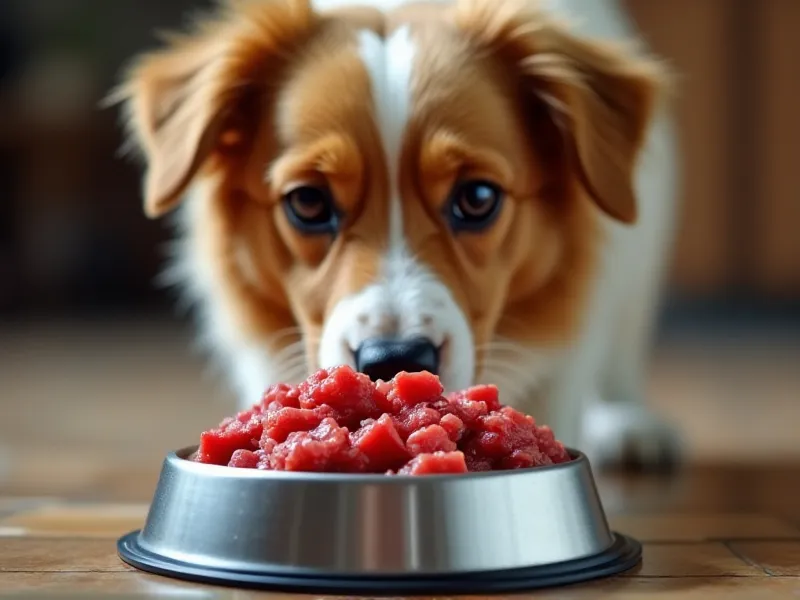
Table of Contents
- Can Dogs Eat Bison Meat? The Short Answer
- Nutritional Benefits of Bison for Dogs
- Potential Risks to Watch For
- How Much Bison Can Dogs Safely Eat?
- Healthier Alternatives to Bison
- FAQ: Your Bison Questions Answered
- Conclusion: Bison as a Treat, Not a Staple
- References
Can Dogs Eat Bison Meat? The Short Answer
Yes, dogs can safely eat plain, cooked bison meat in moderation. Bison is a nutrient-rich, lean protein that can make a tasty occasional treat or supplement to your dog’s regular diet. However, it’s not without risks—raw bison, seasoned meat, bones, or excessive portions can cause health issues. As with any new food, introduce it slowly and watch for signs of digestive upset or allergies.
Nutritional Benefits of Bison for Dogs
Bison isn’t just a trendy human food—it’s packed with nutrients that can support your dog’s health. Here’s why it might be worth adding to their treat rotation:
1. High-Quality Protein for Muscle & Energy
Bison is an excellent source of complete protein, meaning it contains all the essential amino acids dogs need for muscle repair, immune function, and energy. A 3-ounce serving of cooked bison provides about 24 grams of protein—comparable to beef but with fewer calories and fat (USDA, 2023).
2. Rich in Iron & Zinc for Vitality
Iron is critical for red blood cell health and oxygen transport, while zinc supports skin, coat, and immune function. Bison is naturally high in both: A 3-ounce serving delivers 2.4 mg of iron (13% of a dog’s daily needs) and 4.8 mg of zinc (44% of daily needs), according to the USDA.
3. B Vitamins for Brain & Metabolism
Bison is loaded with B vitamins like B12, niacin (B3), and riboflavin (B2). B12 supports nerve function and brain health, while niacin aids metabolism and energy production. These vitamins are especially important for active dogs or seniors.
4. Lower Fat Than Beef (and Even Chicken!)
Compared to beef, bison is significantly leaner. A 3-ounce serving of cooked bison has about 2.4 grams of fat, versus 9 grams in beef sirloin and 3.6 grams in skinless chicken breast (USDA, 2023). This makes it a better choice for dogs prone to obesity or pancreatitis, though portion control still matters.
5. Selenium & Antioxidants
Selenium, a mineral found in bison, acts as an antioxidant, protecting cells from damage. Grass-fed bison may also contain higher levels of omega-3 fatty acids (from grass) and vitamin E, which support joint health and reduce inflammation (American Grassfed Association, 2021).
Potential Risks to Watch For
While bison is generally safe, there are a few risks to keep in mind to keep your dog healthy:
1. Raw Bison = Bacterial Risks
Feeding raw bison (or any raw meat) puts your dog at risk of bacterial infections like Salmonella or E. coli, which can cause vomiting, diarrhea, or even sepsis. Puppies, seniors, and immunocompromised dogs are especially vulnerable. Always cook bison thoroughly to an internal temperature of 160°F (AVMA, 2022).
2. Excess Fat Can Trigger Pancreatitis
While bison is leaner than beef, it still contains fat. Overfeeding—especially fatty cuts like ribs or ground bison with high fat content—can lead to pancreatitis, a painful inflammation of the pancreas. Symptoms include vomiting, lethargy, and loss of appetite. Stick to lean cuts (like loin or round) and avoid processed bison products (e.g., sausages, jerky with added fat).
3. Bones Are a Choking Hazard
Bison bones—cooked or raw—pose serious risks. Cooked bones are brittle and can splinter, causing choking, dental fractures, or intestinal blockages. Even raw bones can get stuck in the throat or damage the digestive tract. Skip the bones entirely and opt for boneless meat instead.
4. Seasonings = Toxic Ingredients
Never feed your dog seasoned bison (e.g., marinated, grilled with spices, or from a restaurant meal). Onions, garlic, salt, and herbs like rosemary can be toxic to dogs. Onion and garlic damage red blood cells, while excess salt leads to dehydration or sodium ion poisoning (ASPCA, 2023).
5. Digestive Upset from Sudden Changes
Introducing bison too quickly can upset your dog’s stomach, leading to diarrhea or gas. Start with a tiny portion (e.g., a teaspoon for small dogs) and gradually increase over 2-3 days, mixing it with their regular food.
How Much Bison Can Dogs Safely Eat?
The key to feeding bison is moderation. As a treat, bison should make up no more than 10% of your dog’s daily calories. Here’s a rough guide based on size:
| Dog Size | Bison as a Treat (Cooked, Boneless) |
|---|---|
| Small (5-20 lbs) | 1-2 ounces per day (e.g., 1/4 cup ground bison) |
| Medium (21-50 lbs) | 2-4 ounces per day (e.g., 1/2 cup ground bison) |
| Large (51+ lbs) | 4-6 ounces per day (e.g., 3/4 cup ground bison) |
Note: Adjust based on your dog’s activity level and calorie needs. For example, a high-energy border collie may tolerate more than a couch-potato pug.
If you’re using bison as part of a homemade diet, work with a veterinary nutritionist to ensure it’s balanced with other nutrients (e.g., calcium, veggies, grains). Bison alone won’t provide all the vitamins and minerals your dog needs long-term.
Healthier Alternatives to Bison
If bison is hard to find or too pricey, these proteins offer similar (or better) benefits:
1. Turkey
Turkey is lean, affordable, and rich in protein, zinc, and B vitamins. It’s also a common novel protein for dogs with beef allergies. Opt for skinless, boneless breast meat.
2. Salmon
Fatty fish like salmon is packed with omega-3s (supports joint and skin health) and vitamin D. Cook it thoroughly and avoid seasoning.
3. Chicken
Chicken breast is a staple for many dogs—high in protein, low in fat, and easy to digest. It’s also budget-friendly!
4. Venison
Like bison, venison is a lean, novel protein ideal for dogs with food sensitivities. It’s high in iron and B vitamins, though slightly higher in fat than bison.
5. Lentils (Plant-Based Option)
For dogs who tolerate plant proteins, cooked lentils are a great source of fiber, iron, and protein. Mix them with lean meat for a balanced meal.
FAQ: Your Bison Questions Answered
Q: Can dogs eat bison jerky?
A: Only if it’s unseasoned and made specifically for dogs. Store-bought jerky for humans often contains garlic, onion, or excessive salt, which are toxic. Check the label for additives!
Q: Is grass-fed bison better for dogs than grain-fed?
A: Grass-fed bison may have higher levels of omega-3s and antioxidants, but both are safe. Choose grass-fed if possible, but prioritize organic or antibiotic-free options to avoid harmful residues.
Q: My dog ate a bison bone—what should I do?
A: Contact your vet immediately. Watch for symptoms like gagging, vomiting, or lethargy, which could signal a blockage. Do not induce vomiting unless directed by a professional.
Q: Can puppies eat bison?
A: Yes, but wait until they’re at least 4 months old (when their digestive systems mature). Introduce small amounts slowly and cook it thoroughly.
Q: Is bison a good protein for dogs with allergies?
A: It can be! Bison is a “novel protein,” meaning most dogs haven’t eaten it before, so it’s less likely to trigger allergies. Always talk to your vet before switching to a novel protein diet.
Conclusion: Bison as a Treat, Not a Staple
Bison meat can be a healthy, tasty addition to your dog’s diet—when served cooked, unseasoned, and in moderation. Its high protein, iron, and low-fat profile make it a great treat for active dogs, seniors, or those with beef sensitivities. Just avoid raw meat, bones, and seasoned varieties, and always introduce new foods slowly.
As with any dietary change, consult your vet first—especially if your dog has health issues like pancreatitis or kidney disease. With a little caution, you and your pup can enjoy the occasional bison treat together!
References
- American Grassfed Association. (2021). Nutritional Benefits of Grass-Fed Meat. https://americangrassfed.org/grass-fed-nutrition/
- American Kennel Club (AKC). (2023). Can Dogs Eat Bison? https://www.akc.org/expert-advice/nutrition/can-dogs-eat-bison/
- American Veterinary Medical Association (AVMA). (2022). Raw or Cooked Foods for Pets. https://www.avma.org/resources/pet-owners/petcare/raw-or-cooked-foods-pets
- ASPCA. (2023). People Foods to Avoid Feeding Your Pet. https://www.aspca.org/pet-care/animal-poison-control/people-foods-avoid-feeding-your-pet
- U.S. Department of Agriculture (USDA). (2023). FoodData Central: Bison, Loin, Cooked. https://fdc.nal.usda.gov/fdc-app.html#/food-details/174496/nutrients