· 9 min read
Can Dogs Eat Benebone? A Pet Parent’s Guide to Safe Chewing
It’s a quiet evening, and your pup—let’s call her Luna—trots over, tail wagging, with her favorite Benebone chew clutched in her jaws. She plops down at your feet, eyes locked on yours as she starts gnawing, clearly in heaven. But then a thought hits you: Is this chew actually safe for her to eat? Or is it just for chewing, not swallowing?
If you’ve ever asked, “Can dogs eat Benebone?”, you’re not alone. Benebone has become a household name in pet care, marketed as a durable, flavor-packed chew for dogs. But with so many conflicting opinions online, it’s hard to know what’s true. In this guide, we’ll break down everything you need to know: what Benebone is, whether dogs should eat it, the risks and benefits, and how to keep your furry friend safe. Let’s dive in!
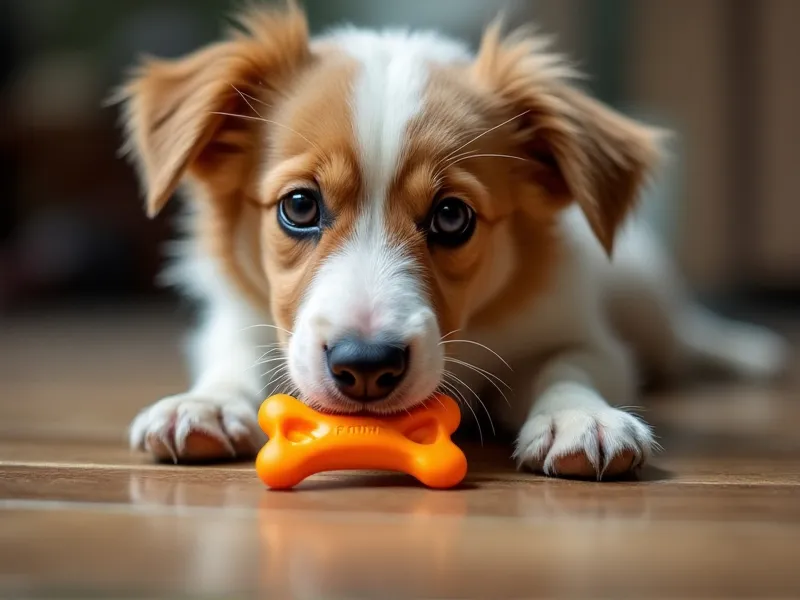
Table of Contents
- What Is Benebone?
- Can Dogs Eat Benebone? The Short Answer
- The Benefits of Benebone for Dogs
- The Risks of Letting Dogs “Eat” Benebone
- How to Safely Use Benebone with Your Dog
- Healthier Alternatives to Benebone
- Frequently Asked Questions (FAQ)
- Conclusion: Prioritizing Your Dog’s Safety and Joy
What Is Benebone?
First things first: What is Benebone, anyway?
Benebone is a popular brand of dog chews founded in 2012, known for its innovative designs and bold flavors. Unlike traditional rawhide or rubber toys, Benebone chews are crafted to be long-lasting and appealing to even the pickiest chewers. They come in several varieties, but the most common are:
- Nylon Chews: The classic Benebone, made from durable nylon infused with flavors like bacon, peanut butter, or chicken. These are designed for moderate to aggressive chewers.
- Real Flavor Chews: Some newer lines include real meat or plant-based ingredients (like sweet potato) wrapped around a nylon core, adding extra enticement.
- Dental Chews: Shaped to target plaque and tartar buildup, these focus on oral health while satisfying the urge to chew.
Benebone’s claim to fame? Their “curved” design, which is meant to fit comfortably in a dog’s paw, making it easier to hold and chew. But while these chews are beloved by dogs (and their owners) for keeping pups busy, the big question remains: Are they meant to be eaten?
Can Dogs Eat Benebone? The Short Answer
No, dogs should not eat Benebone chews.
Benebone chews are intended for supervised chewing, not consumption. Think of them like a toothbrush: you use it to clean your teeth, but you don’t swallow the bristles. Similarly, Benebone is designed to scrape plaque, relieve boredom, and satisfy your dog’s natural urge to chew—but large pieces should never be swallowed.
Here’s why: Most Benebone chews are made from nylon, a tough, non-digestible material. While small, smooth flakes might pass through your dog’s digestive system harmlessly, larger chunks can get stuck in the throat (choking hazard) or intestines (blockage). Even Benebone’s “real flavor” varieties have a nylon core, so the risk remains if pieces break off.
In short: Let your dog chew Benebone, but never let them “eat” it.
The Benefits of Benebone for Dogs
While Benebone isn’t food, it does offer some great benefits when used correctly. Here’s why many pet parents swear by it:
1. Dental Health
Chewing is nature’s way of keeping dogs’ teeth clean. As your pup gnaws on a Benebone, the rough surface scrapes away plaque and tartar, reducing the risk of gum disease and bad breath. The American Kennel Club (AKC) notes that regular chewing can even help prevent costly dental procedures down the line!
2. Mental Stimulation & Boredom Relief
Dogs, especially high-energy breeds like Border Collies or Pit Bulls, need mental and physical exercise. A Benebone keeps their brain busy as they work to extract flavor, preventing destructive behaviors like chewing shoes or digging. It’s like a puzzle for their jaws!
3. Satisfies the Chewing Instinct
Chewing is hardwired in dogs—it’s how they explore the world, relieve stress, and keep their jaws strong. Benebone provides a safe outlet for this instinct, redirecting their energy away from your furniture.
4. Long-Lasting Fun
Unlike flimsy toys that fall apart in minutes, Benebone is built to withstand heavy chewing. A single chew can keep your dog occupied for weeks (or even months, depending on their chewing intensity), making it a cost-effective choice for busy pet parents.
The Risks of Letting Dogs “Eat” Benebone
While Benebone has benefits, the risks of ingestion are serious. Here’s what to watch out for:
1. Choking Hazard
If your dog bites off a large piece of Benebone and tries to swallow it, the chunk could get lodged in their throat. This is especially dangerous for small breeds or dogs who gulp their food/chews quickly.
2. Intestinal Blockage
Nylon is not digestible. If a piece of Benebone gets stuck in your dog’s intestines, it can cause a life-threatening blockage. Symptoms include vomiting, diarrhea, loss of appetite, lethargy, or straining to poop. According to VCA Animal Hospitals, intestinal blockages often require surgery to remove—costing thousands of dollars and putting your dog through stress.
3. Dental Fractures
Benebone is very hard. While this makes it durable, it can also crack or chip your dog’s teeth, especially if they’re aggressive chewers or have weak enamel. A broken tooth is painful and may require extraction.
4. Allergic Reactions
Some Benebone chews include real meat (like bacon or chicken) or flavorings that could trigger allergies in sensitive dogs. Signs of an allergic reaction include itching, hives, or swelling. Always check the ingredient list if your dog has food sensitivities!
How to Safely Use Benebone with Your Dog
The key to enjoying Benebone safely is supervision and common sense. Follow these guidelines to keep your pup out of harm’s way:
1. Choose the Right Size
Benebone offers chews in small, medium, large, and extra-large sizes. Pick one that’s larger than your dog’s mouth to prevent them from biting off chunks. For example:
- Small: Dogs under 30 lbs (e.g., Chihuahuas, Shih Tzus)
- Medium: 30–60 lbs (e.g., Beagles, Cocker Spaniels)
- Large: 60–90 lbs (e.g., Labs, Goldens)
- XL: Over 90 lbs (e.g., Great Danes, Mastiffs)
2. Supervise Every Chew Session
Never leave your dog alone with a Benebone. Even “gentle” chewers can suddenly break off a piece. Stay nearby to intervene if they start gnawing aggressively or trying to swallow chunks.
3. Limit Chewing Time
Aim for 15–20 minutes of chewing per session. Extended chewing can tire out your dog’s jaw or increase the risk of breaking off pieces. Afterward, take the Benebone away and store it out of reach.
4. Inspect Regularly for Wear
Check the Benebone often for cracks, sharp edges, or small pieces. If it’s become small enough to fit entirely in your dog’s mouth, throw it away immediately. Benebone recommends replacing chews when they’re 2–3 inches long (to avoid choking).
5. Avoid Giving to Puppies Under 6 Months
Puppies have softer teeth and developing jaws. Wait until your puppy is at least 6 months old (or consult your vet) before introducing Benebone to prevent dental damage.
Healthier Alternatives to Benebone
If you’re worried about the risks of nylon chews, or if your dog tends to swallow chunks, here are safer alternatives:
1. Rubber Chews (e.g., Kong Classic)
Rubber toys like the Kong Classic are flexible and durable, designed to bounce back instead of breaking into sharp pieces. Fill them with peanut butter or frozen yogurt for extra fun—they’re great for teething puppies and aggressive chewers alike.
2. Himalayan Yak Chews
Made from yak milk, lime juice, and salt, these chews harden into a tough, digestible treat. Dogs love the cheesy flavor, and they’re less likely to break off large pieces than nylon. Just avoid giving them to dogs with dairy allergies!
3. Bully Sticks
Bully sticks are made from dried bull pizzles—they’re high in protein and fully digestible. Look for “odor-free” varieties if you’re sensitive to smells. Note: They can be high in calories, so limit to occasional treats.
4. Raw Meaty Bones
Raw bones (like chicken necks or beef knuckles) are a natural option for dental health. They’re soft enough to chew but hard enough to clean teeth. Never give cooked bones—they splinter and can pierce the intestines. Always supervise and choose bones appropriate for your dog’s size.
5. Plant-Based Chews
For dogs with meat allergies, try chews made from sweet potato, pumpkin, or coconut. Brands like Earth Animal’s No-Hide Chews are digestible and come in fun flavors.
Frequently Asked Questions (FAQ)
Q: Is Benebone safe for aggressive chewers?
A: Benebone is designed for aggressive chewers, but supervision is still a must. Even tough chewers can break off pieces, so monitor closely and replace the chew when it wears down.
Q: My dog swallowed a small piece of Benebone—should I panic?
A: Small, smooth flakes may pass through without issue, but watch for symptoms like vomiting, diarrhea, or lethargy. If you notice any of these, contact your vet immediately. When in doubt, err on the side of caution!
Q: Can puppies chew Benebone?
A: Puppies under 6 months have soft teeth—wait until they’re older (or ask your vet) to avoid dental damage. For teething puppies, try a frozen rubber Kong instead.
Q: How do I choose the right Benebone size?
A: Follow Benebone’s size guide: Small (under 30 lbs), Medium (30–60 lbs), Large (60–90 lbs), XL (over 90 lbs). When in doubt, go bigger to prevent choking.
Q: Are Benebone chews made in the USA?
A: Yes! Benebone manufactures all its chews in the USA, using globally sourced ingredients. This ensures strict quality control.
Conclusion: Prioritizing Your Dog’s Safety and Joy
At the end of the day, Benebone can be a wonderful tool for keeping your dog happy and healthy—when used safely. Remember: it’s for chewing, not eating. Always supervise, choose the right size, and replace the chew when it gets too small.
If you’re unsure whether Benebone is right for your dog (e.g., if they have dental issues or a history of swallowing objects), consult your vet. They can help you pick the best chew for your pup’s unique needs.
Your dog’s safety is worth the extra effort. With a little supervision and common sense, you and your furry friend can enjoy many happy chewing sessions—without the worry.
Happy chewing, and here’s to many tail wags!
References
- Benebone. (n.d.). Safety Guidelines. benebone.com/safety
- American Kennel Club (AKC). (2023). The Best Chew Toys for Dogs. akc.org/expert-advice/health/best-chew-toys-for-dogs
- VCA Animal Hospitals. (2023). Foreign Body Ingestion in Dogs. vcahospitals.com/know-your-pet/foreign-body-ingestion-in-dogs
- PetMD. (2023). Choosing Safe Chew Toys for Dogs. petmd.com/dog/slideshows/behavior/choosing-safe-chew-toys-dogs