· 7 min read
Can Dogs Eat Cooked Beets? Benefits, Risks & Safe Feeding Tips
It’s a cozy Sunday afternoon, and you’re whipping up a roasted vegetable medley—beets, carrots, and sweet potatoes glistening with a touch of olive oil. As you pop a forkful into your mouth, your dog trots over, nose twitching, eyes locked on the vibrant purple-red cubes on your plate. “Can I have a bite?” their eager stare seems to ask. If you’ve ever wondered whether cooked beets are safe for your pup, you’re not alone.
Beets are a nutritional powerhouse for humans, packed with fiber, vitamins, and antioxidants. But when it comes to our four-legged friends, not all human foods translate well. So, can dogs eat cooked beets? Let’s dive in and uncover the facts—so you can share (or skip) this root veggie with confidence.
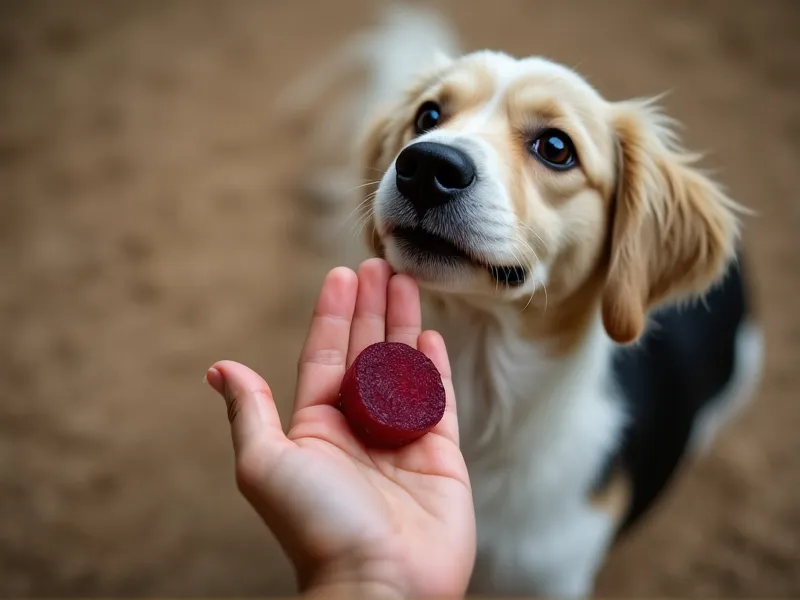
Table of Contents
- Can Dogs Eat Cooked Beets? The Short Answer
- Nutritional Benefits of Cooked Beets for Dogs
- Potential Risks of Feeding Cooked Beets to Dogs
- How Much Cooked Beet Can Dogs Safely Eat?
- Healthier Alternatives to Beets for Dogs
- FAQ: Your Questions Answered
- Conclusion: Enjoy Beets Responsibly with Your Pup
Can Dogs Eat Cooked Beets? The Short Answer
Yes, dogs can eat cooked beets in moderation. When prepared properly (cooked, peeled, and chopped into bite-sized pieces), beets are non-toxic and can even offer some nutritional benefits to your pup. However, they’re not a “superfood” for dogs, and there are important risks to consider—like their natural sugar content and potential for digestive upset.
The key here is moderation. Beets should never replace your dog’s balanced, vet-approved dog food. Think of them as an occasional treat, not a staple.
Nutritional Benefits of Cooked Beets for Dogs
Beets are more than just a pretty veggie—they’re loaded with nutrients that can support your dog’s health when fed correctly. Let’s break down the top benefits:
1. Fiber: Supports Digestive Health
Cooked beets are rich in dietary fiber, which is essential for a healthy gut. Fiber helps regulate bowel movements, prevents constipation, and supports the growth of beneficial gut bacteria. For dogs prone to occasional digestive upsets, a small amount of cooked beet (think: a teaspoon for a Chihuahua, a tablespoon for a Golden Retriever) can act as a gentle digestive aid.
2. Vitamins: A Boost for Immunity & Vision
Beets are packed with vitamins that dogs need, including:
- Vitamin A: Supports eye health, skin, and coat.
- Vitamin C: An antioxidant that boosts the immune system and helps fight inflammation.
- B Vitamins (Folate, B6): Important for energy metabolism and red blood cell production.
While dogs can produce some vitamin C on their own, extra from whole foods like beets can be helpful, especially for active or senior dogs.
3. Minerals: Potassium, Iron, & Manganese
Minerals in beets play key roles in your dog’s bodily functions:
- Potassium: Supports heart health, muscle function, and fluid balance.
- Iron: Helps transport oxygen in the blood (important for energy levels).
- Manganese: Aids in bone development, metabolism, and antioxidant function.
4. Antioxidants: Fighting Free Radicals
Beets get their deep color from betalains, powerful antioxidants that help neutralize free radicals (harmful molecules that damage cells). While research on betalains in dogs is limited, in humans, they’re linked to reduced inflammation and chronic disease risk. For dogs, this could mean subtle benefits for long-term health—though more studies are needed.
Potential Risks of Feeding Cooked Beets to Dogs
While cooked beets are safe in small amounts, they’re not without risks. Here’s what to watch out for:
1. High Sugar Content: Weight Gain & Diabetes Risk
Beets are naturally sweet, thanks to their high sugar content (about 6 grams of sugar per 100 grams of cooked beet). While natural sugar is better than added sugar, too much can lead to:
- Weight gain: Extra calories from sugar can contribute to obesity, especially in less active dogs.
- Blood sugar spikes: Dogs with diabetes or insulin resistance should avoid beets, as the sugar can disrupt blood glucose levels.
2. Digestive Upset: Gas, Diarrhea, or Bloating
Fiber is great for digestion—but too much fiber can backfire. Feeding your dog a large chunk of beet (or too many beets at once) can cause:
- Gas and bloating (beets are known to be a bit “gassy” for humans and dogs alike!).
- Loose stools or diarrhea, especially in dogs with sensitive stomachs.
Start with a tiny portion and monitor your dog for 24 hours before offering more.
3. Choking Hazard: Large or Uncooked Pieces
Raw beets are hard and crunchy, making them a choking risk for dogs (especially small breeds). While cooking softens beets, large, unchopped pieces can still get stuck in your dog’s throat. Always peel cooked beets (the skin can be tough to digest) and chop them into small, bite-sized cubes before feeding.
4. Oxalates: A Concern for Kidney Health?
Beets contain small amounts of oxalates, naturally occurring compounds that can bind to calcium and form crystals or stones in the kidneys or bladder. For most dogs, this isn’t a problem in moderation. However, dogs with a history of kidney stones or bladder issues should avoid beets, as oxalates could worsen their condition.
How Much Cooked Beet Can Dogs Safely Eat?
The golden rule: Treats (including beets) should make up no more than 10% of your dog’s daily calories. This ensures they’re still getting all the nutrients from their regular dog food.
Here’s a rough guide based on your dog’s size:
| Dog Size | Cooked Beet Portion (Per Week) | Example |
|---|---|---|
| Small (5-20 lbs) | 1-2 teaspoons | A Chihuahua or Shih Tzu: 1 tsp once weekly |
| Medium (20-50 lbs) | 1-2 tablespoons | A Cocker Spaniel or Bulldog: 1 tbsp twice weekly |
| Large (50+ lbs) | 2-3 tablespoons | A Labrador or German Shepherd: 2 tbsp twice weekly |
Pro tip: Mix beets into your dog’s regular food or serve as a standalone treat. Avoid adding salt, butter, oil, or seasonings—plain, cooked beets are best.
Healthier Alternatives to Beets for Dogs
If you’re concerned about beets’ sugar content or want to mix up your dog’s treats, these veggies are often safer or more nutrient-dense:
1. Carrots
- Why they’re great: Low in sugar, high in vitamin A (supports eye health), and crunchy (helps clean teeth!).
- How to serve: Raw or cooked, chopped into small pieces.
2. Sweet Potatoes
- Why they’re great: Rich in fiber, beta-carotene (vitamin A), and potassium—with less sugar than beets.
- How to serve: Baked or boiled, mashed or diced (no added butter/sugar).
3. Green Beans
- Why they’re great: Ultra-low calorie, high in fiber, and packed with vitamins C and K. Perfect for weight management!
- How to serve: Steamed or raw (chopped), plain.
4. Pumpkin (Plain, Canned)
- Why they’re great: A go-to for digestive health—fiber helps with both diarrhea and constipation.
- How to serve: 100% plain pumpkin (not pie filling!), 1-2 tbsp per day (depending on size).
FAQ: Your Questions Answered
Q: Can dogs eat raw beets?
A: It’s not recommended. Raw beets are hard, tough to digest, and pose a higher choking risk. Cooking softens them and makes nutrients easier to absorb.
Q: My dog ate a whole cooked beet—should I panic?
A: Probably not, but monitor them closely. A single large beet might cause gas, diarrhea, or bloating, but it’s unlikely to be toxic. If your dog vomits, has severe diarrhea, or seems lethargic, contact your vet.
Q: Can beets turn my dog’s urine red?
A: Yes! Beets contain betalains, which can turn urine (and even stool) a pink or red color in dogs (and humans). This is harmless—no need to worry unless the color persists for more than 24 hours or is accompanied by other symptoms (like pain while peeing).
Q: Are beet greens safe for dogs?
A: Yes, in small amounts! Beet greens (the leafy tops) are rich in iron and vitamins A and C. Cook them first (raw greens can be tough to digest) and chop finely. Avoid overfeeding, as greens also contain oxalates.
Q: Can diabetic dogs eat beets?
A: It’s best to avoid them. Beets’ natural sugar can spike blood glucose levels, which is dangerous for dogs with diabetes. Always check with your vet first.
Conclusion: Enjoy Beets Responsibly with Your Pup
Cooked beets can be a fun, nutritious treat for your dog—when fed in moderation. They offer fiber, vitamins, and minerals that support health, but their sugar content and potential for digestive upset mean they should never be overdone.
Remember: Every dog is different. A small, active dog might tolerate a teaspoon of beet without issue, while a sensitive senior dog might need to skip it. When in doubt, consult your vet—especially if your dog has health conditions like diabetes, kidney disease, or obesity.
So, the next time you’re roasting beets, feel free to share a tiny, chopped piece with your pup. Just keep it small, plain, and occasional. Happy snacking!