· 9 min read
Can Dogs Eat Beets and Parsnips? A Pet Parent’s Guide to Safe, Nutritious Treats
You’re chopping fresh vegetables for dinner, and your dog trots over, tail thumping, eyes locked on the colorful pile of beets and parsnips. It’s hard to resist those puppy-dog eyes—but before you toss them a bite, you pause: Are beets and parsnips safe for dogs? As pet parents, we want to share the best of our meals with our furry friends, but not all human foods are dog-friendly. Let’s dive into the facts, so you can make informed choices about whether these root veggies deserve a spot in your pup’s treat rotation.
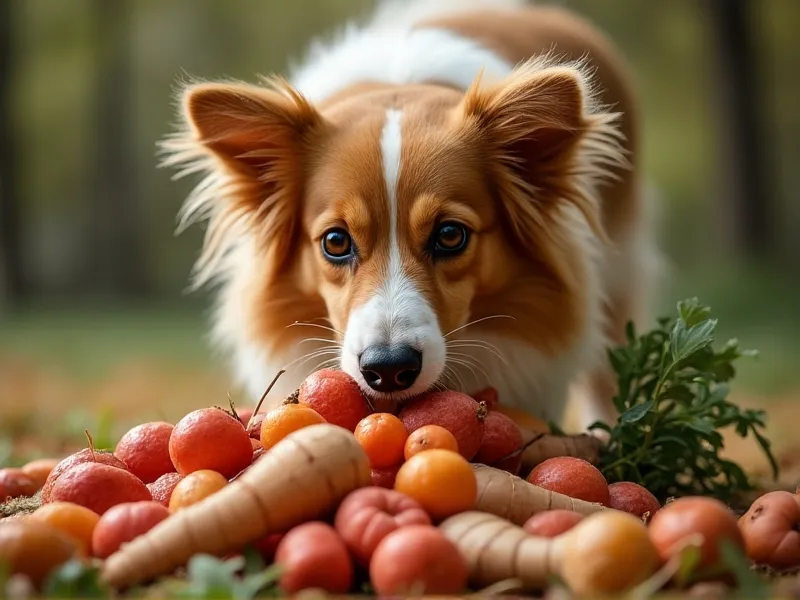
Table of Contents
- Introduction: The Curiosity Behind Canine Veggie Snacks
- Can Dogs Eat Beets? Benefits, Risks, and Guidelines
- Can Dogs Eat Parsnips? Benefits, Risks, and Guidelines
- Healthier Alternatives to Beets and Parsnips
- FAQ: Your Top Questions Answered
- Conclusion: Moderation is Key
- References
Dogs are omnivores, meaning they can thrive on a mix of animal protein and plant-based foods. While their primary diet should be a balanced, commercial dog food formulated to meet their unique nutritional needs, adding small amounts of fresh fruits and veggies can be a fun way to boost variety and add nutrients. But not all veggies are created equal—some are toxic (like onions or garlic), while others are safe in moderation.
Beets and parsnips, two popular root vegetables, often spark curiosity. They’re nutrient-dense for humans, but what about our pups? Let’s break down the details, so you can decide if these veggies deserve a place in your dog’s snack drawer.
Can Dogs Eat Beets? Benefits, Risks, and Guidelines
Are Beets Safe for Dogs?
Short answer: Yes, beets are non-toxic to dogs. According to the American Society for the Prevention of Cruelty to Animals (ASPCA), beets are not listed as a toxic food for pets. However, this doesn’t mean they’re a free-for-all. Like any new food, beets should be introduced slowly and in moderation to avoid digestive upset.
Nutritional Benefits of Beets for Dogs
Beets are packed with vitamins, minerals, and antioxidants that can offer health perks for dogs—when fed correctly. Here’s what makes them a potentially healthy treat:
- Fiber: Beets are rich in dietary fiber, which supports healthy digestion by promoting regular bowel movements and feeding beneficial gut bacteria. This can be especially helpful for dogs with occasional constipation.
- Vitamins & Minerals: Beets contain vitamin C (supports immune health), vitamin B9 (folate, important for cell repair), potassium (regulates blood pressure and heart function), and manganese (aids in bone health and metabolism).
- Antioxidants: Beets get their deep red color from betalains, powerful antioxidants that fight inflammation and may support liver detoxification. Studies in humans suggest betalains could help reduce oxidative stress, and while research in dogs is limited, these benefits are likely transferable in small doses.
- Low in Calories: Beets are relatively low in calories (about 58 calories per cup, cooked), making them a better choice than high-fat treats for dogs watching their weight—as long as portion sizes are controlled.
Potential Risks of Feeding Beets to Dogs
While beets are safe, they come with a few caveats to keep in mind:
- High Sugar Content: Beets are naturally sweet, with about 9 grams of sugar per cup (cooked). For dogs with diabetes, obesity, or insulin resistance, excess sugar can spike blood glucose levels or contribute to weight gain. Even healthy dogs should avoid overindulging, as too much sugar can lead to dental issues or an upset stomach.
- Digestive Upset: The fiber in beets is great for digestion—in small amounts. Too much can cause gas, bloating, diarrhea, or loose stools, especially if your dog isn’t used to high-fiber foods.
- Choking Hazard: Raw beets are hard and crunchy, which can pose a choking risk, especially for small dogs. They may also be difficult to digest raw, leading to intestinal blockages if large chunks are swallowed.
- Red Urine/Stool: This isn’t a health risk, but it can be alarming! Beets contain pigments (betalains) that may turn your dog’s urine or stool pink or red. This is harmless (just like in humans) and should resolve within a day or two. If you notice discoloration without feeding beets, contact your vet to rule out other issues (like blood).
How to Safely Serve Beets to Your Dog
If you want to share beets with your pup, follow these guidelines to keep them safe:
- Cook Them: Always serve beets cooked (boiled, steamed, or roasted) and plain. Cooking softens the beets, making them easier to chew and digest, and reduces the risk of choking. Avoid adding salt, butter, oil, spices, or seasonings—these can upset your dog’s stomach or add unnecessary calories.
- Chop or Mash: Cut cooked beets into small, bite-sized pieces (especially for small dogs) or mash them to prevent choking.
- Portion Control: Beets should be an occasional treat, not a meal replacement. A general rule: treats (including veggies) should make up no more than 10% of your dog’s daily calories. For reference:
- Small dogs (10–20 lbs): 1–2 tablespoons of cooked beet, 1–2 times per week.
- Medium dogs (30–50 lbs): 2–3 tablespoons, 1–2 times per week.
- Large dogs (60+ lbs): ¼ cup, 1–2 times per week.
- Monitor for Reactions: When introducing beets for the first time, start with a tiny amount (1 teaspoon for small dogs, 1 tablespoon for large dogs) and watch for 24 hours. If you see vomiting, diarrhea, or excessive gas, hold off and consult your vet.
Can Dogs Eat Parsnips? Benefits, Risks, and Guidelines
Are Parsnips Safe for Dogs?
Short answer: Yes, parsnips are also non-toxic to dogs. Like beets, they’re not on the ASPCA’s list of toxic foods, making them a safe occasional treat when prepared properly.
Nutritional Benefits of Parsnips for Dogs
Parsnips are a starchy root vegetable with a slightly sweet, nutty flavor. They offer a range of nutrients that can support your dog’s health:
- Fiber: Parsnips are high in dietary fiber, which aids digestion and helps your dog feel full (great for weight management).
- Vitamins: They’re rich in vitamin C (immune support), vitamin K (bone health and blood clotting), and B vitamins (including B6, which supports brain function and metabolism).
- Minerals: Parsnips contain potassium (heart health), folate (cell repair), and manganese (bone and skin health).
- Low in Calories: At about 100 calories per cup (cooked), parsnips are a low-calorie alternative to high-fat treats, though they’re higher in calories than beets.
Potential Risks of Feeding Parsnips to Dogs
While parsnips are safe, they have a few risks to consider:
- Starch and Sugar: Parsnips are starchy, which means they convert to sugar in the body. Overfeeding can lead to weight gain or blood sugar spikes, especially in dogs with diabetes or obesity.
- Digestive Upset: Like beets, parsnips’ fiber can cause gas, bloating, or diarrhea if fed in large amounts, especially to dogs with sensitive stomachs.
- Choking Hazard: Raw parsnips are hard and fibrous, making them a choking risk. They may also cause intestinal blockages if swallowed whole.
How to Safely Serve Parsnips to Your Dog
To enjoy parsnips with your pup, follow these tips:
- Cook Thoroughly: Cook parsnips until soft (boiled, steamed, or roasted) to make them easy to digest and reduce choking risk. Avoid adding seasonings, oil, or butter.
- Dice or Mash: Chop cooked parsnips into small pieces or mash them to prevent choking. Avoid serving large chunks.
- Limit Portions: Like beets, parsnips should be an occasional treat. Stick to:
- Small dogs: 1–2 tablespoons cooked parsnip, 1–2 times per week.
- Medium dogs: 2–3 tablespoons, 1–2 times per week.
- Large dogs: ¼ cup, 1–2 times per week.
- Avoid Raw: Never feed raw parsnips—they’re tough to chew and digest.
Healthier Alternatives to Beets and Parsnips
If you’re looking for veggie treats with fewer risks (or just want to mix things up), these alternatives are often easier on digestion or lower in sugar:
- Carrots: Crunchy, low in sugar, and high in beta-carotene (which converts to vitamin A). They’re great for dental health (chewing helps scrape plaque) and safe for most dogs.
- Green Beans: Low in calories, high in fiber, and packed with vitamins A, C, and K. Serve them cooked or raw (chopped) as a crunchy snack.
- Broccoli: Rich in vitamins C and K, fiber, and antioxidants. Feed small amounts (steamed, no seasoning) to avoid gas.
- Sweet Potatoes: A popular dog treat, sweet potatoes are high in fiber and beta-carotene. Serve cooked (baked or mashed) in moderation (they’re higher in sugar than carrots).
- Cucumber: Hydrating, low in calories, and crunchy—perfect for hot days. Remove seeds and skin if your dog has trouble digesting them.
FAQ: Your Top Questions Answered
Q: Can dogs eat raw beets or parsnips?
A: It’s not recommended. Raw beets and parsnips are hard, fibrous, and pose a choking risk. They’re also harder to digest, which can lead to stomach upset or blockages. Always cook them first.
Q: My dog ate a whole beet/parsnip—should I worry?
A: A single large serving is unlikely to be toxic, but it may cause digestive upset (gas, diarrhea, or vomiting). Monitor your dog for 24 hours. If they show severe symptoms (bloating, lethargy, or loss of appetite), contact your vet.
Q: Are pickled beets safe for dogs?
A: No. Pickled beets contain salt, vinegar, and sometimes spices (like garlic), which can be harmful to dogs. Salt can lead to sodium ion poisoning, and vinegar may irritate their stomach.
Q: Can diabetic dogs eat beets or parsnips?
A: Consult your vet first. Both veggies contain natural sugars, which can spike blood glucose levels. Your vet can help determine if small amounts are safe or if you should avoid them entirely.
Q: Are beet greens or parsnip greens safe for dogs?
A: Beet greens are safe in small amounts (they’re rich in vitamins A and K), but parsnip greens contain furanocoumarins, which can be toxic in large doses. It’s best to stick to the roots.
Conclusion: Moderation is Key
Beets and parsnips can be safe, nutritious treats for dogs when fed in moderation, cooked, and plain. They offer fiber, vitamins, and antioxidants, but their sugar content and potential for digestive upset mean they shouldn’t be a regular part of your dog’s diet.
Remember: The foundation of your dog’s nutrition should be a high-quality, balanced dog food formulated for their age, size, and health needs. Veggies like beets and parsnips are just a fun bonus—not a replacement for proper nutrition.
If you’re unsure whether beets or parsnips are right for your pup (especially if they have health issues like diabetes, obesity, or digestive sensitivities), always consult your vet first. Every dog is unique, and your vet can help you make the best choices for your furry friend.
Happy snacking—both you and your pup deserve a little veggie love!
References
- American Society for the Prevention of Cruelty to Animals (ASPCA). Toxic and Non-Toxic Plants. aspca.org/pet-care/animal-poison-control/toxic-and-non-toxic-plants
- American Kennel Club (AKC). Can Dogs Eat Beets? akc.org/expert-advice/nutrition/can-dogs-eat-beets/
- PetMD. Can Dogs Eat Parsnips? petmd.com/dog/nutrition/can-dogs-eat-parsnips
- Veterinary Centers of America (VCA). Feeding Vegetables to Your Dog: Which are Safe? vca.com/feeding-vegetables-to-your-dog
- World Small Animal Veterinary Association (WSAVA). Nutrition Toolkit for Pet Owners. wsava.org/global-guidelines/wsava-global-nutrition-guidelines