· 8 min read
Can Dogs Eat Beetroot Raw? Benefits, Risks, and Safe Feeding Guidelines
You’re chopping up fresh beetroot for your morning smoothie when your dog saunters over, tail thumping, nose twitching like a tiny radar. Their big, hopeful eyes lock onto the vibrant red veggie in your hand, and suddenly you’re hit with the question: Is raw beetroot safe for dogs?
Beetroot is a nutritional powerhouse for humans, packed with fiber, vitamins, and antioxidants. But when it comes to our four-legged friends, “human healthy” doesn’t always equal “dog safe.” In this guide, we’ll break down everything you need to know about feeding raw beetroot to dogs—from its potential benefits to hidden risks, plus how much (if any) you should share. Let’s dive in!
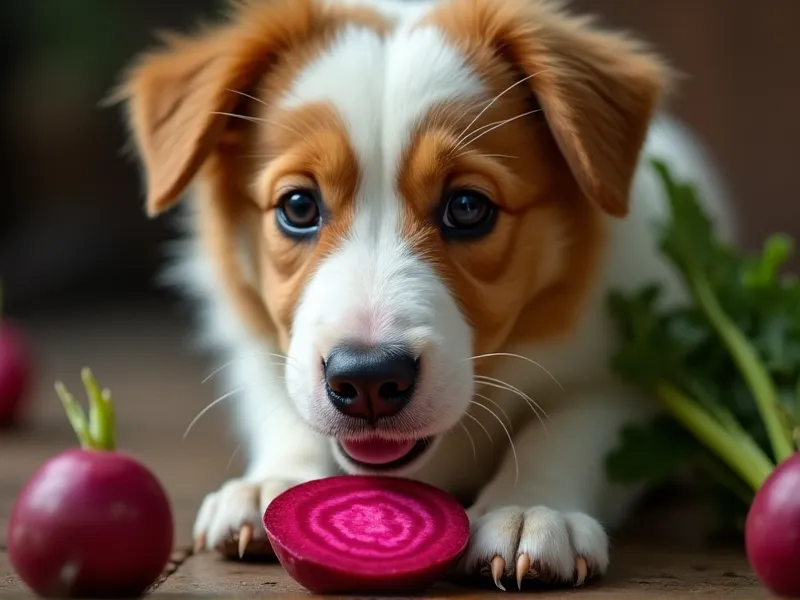
Table of Contents
- Can Dogs Eat Raw Beetroot? The Short Answer
- Nutritional Benefits of Raw Beetroot for Dogs
- Potential Risks of Feeding Raw Beetroot to Dogs
- How Much Raw Beetroot Can Dogs Safely Eat?
- Healthier Alternatives to Raw Beetroot
- FAQ: Raw Beetroot for Dogs
- Conclusion: Moderation is Key
Can Dogs Eat Raw Beetroot? The Short Answer
Yes, most dogs can safely eat small amounts of raw beetroot—but with caveats. Raw beetroot isn’t toxic to dogs, and in moderation, it can even offer some health perks. However, it’s not without risks, including digestive upset, choking hazards, and sugar overload. As with any new food, it’s best to introduce it slowly and consult your vet first, especially if your dog has underlying health issues.
Nutritional Benefits of Raw Beetroot for Dogs
Beetroot is more than just a pretty veggie—it’s loaded with nutrients that can support your dog’s health when fed responsibly. Let’s unpack the key benefits:
1. Fiber: Supports Digestive Health
Raw beetroot is rich in dietary fiber, which helps keep your dog’s gut moving smoothly. Fiber aids in:
- Preventing constipation (by adding bulk to stool).
- Supporting healthy gut bacteria (fiber acts as a prebiotic).
- Regulating blood sugar levels (slowing the absorption of glucose).
For dogs prone to occasional constipation, a tiny amount of raw beetroot (shredded or pureed) might offer gentle relief—though always check with your vet first.
2. Potassium: Boosts Heart and Muscle Function
Potassium is an essential mineral for dogs, playing a role in:
- Maintaining healthy heart rhythm.
- Supporting muscle contraction (including the heart muscle).
- Regulating fluid balance and blood pressure.
A 100g serving of raw beetroot contains about 325mg of potassium—about 7% of the recommended daily intake for a 33-pound dog (source: PetMD). While this isn’t a huge amount, it can contribute to your dog’s overall mineral intake when paired with a balanced diet.
3. Vitamins: A Nutrient Boost
Raw beetroot is a good source of vitamins that support your dog’s immune system and overall wellness:
- Vitamin C: An antioxidant that helps fight free radicals and supports collagen production (important for skin, joints, and blood vessels).
- Folate (Vitamin B9): Critical for cell repair and DNA synthesis, especially important for growing puppies and pregnant dogs.
- Vitamin A: Supports eye health, immune function, and skin health (though dogs primarily get vitamin A from animal sources like liver, plant-based vitamin A (beta-carotene) can still contribute).
4. Antioxidants: Fights Inflammation
Beetroot gets its deep red color from betalains, powerful antioxidants that reduce inflammation in the body. In humans, betalains have been linked to lower oxidative stress and improved blood flow—and while research on dogs is limited, these antioxidants may offer similar benefits. For dogs with mild joint inflammation or allergies, small doses of raw beetroot could act as a natural anti-inflammatory (though never replace prescribed treatments without your vet’s okay).
Potential Risks of Feeding Raw Beetroot to Dogs
While raw beetroot has benefits, it’s not a “free-for-all” snack. Here are the top risks to watch for:
1. High Sugar Content: Can Lead to Weight Gain or Diabetes
Beetroot is naturally sweet, with about 6g of sugar per 100g serving (source: USDA FoodData Central). For dogs, excess sugar can:
- Contribute to obesity (since sugar is high in empty calories).
- Spike blood sugar levels (dangerous for dogs with diabetes or insulin resistance).
- Increase the risk of dental issues (sugar feeds harmful mouth bacteria).
Even for healthy dogs, too much raw beetroot can tip their daily calorie balance—remember, treats should make up no more than 10% of your dog’s diet.
2. Digestive Upset: Gas, Diarrhea, or Bloating
Raw beetroot is high in fiber, which is great in small doses—but too much can wreak havoc on your dog’s stomach. Signs of digestive upset include:
- Gas (beetroot’s fiber can ferment in the gut, causing bloating).
- Loose stools or diarrhea (especially if your dog isn’t used to high-fiber foods).
- Nausea or vomiting (rare, but possible with large amounts).
Puppies, senior dogs, and dogs with sensitive stomachs are most at risk. Always start with a tiny portion (like a teaspoon) and monitor for 24 hours before offering more.
3. Choking Hazard: Hard, Crunchy Texture
Raw beetroot is firm and crunchy, which can pose a choking risk—especially for small dogs or those who gulp food without chewing. To reduce this risk:
- Grate or shred raw beetroot into tiny pieces (so it’s easy to chew and swallow).
- Avoid whole chunks—even medium dogs can struggle with large slices.
- Never leave your dog unsupervised while they’re eating raw beetroot.
4. Beeturia: Harmless (But Scary!) Side Effect
If your dog eats raw beetroot, you might notice their urine or stool turns pink or red. Don’t panic—this is called beeturia, and it’s completely harmless. Beeturia is caused by betalains (the pigments in beetroot) passing through the digestive tract unabsorbed. It’s more common in dogs (and humans!) with low stomach acid or fast digestion, but it’s no cause for concern.
How Much Raw Beetroot Can Dogs Safely Eat?
The golden rule: Less is more. Raw beetroot should be an occasional treat, not a regular part of your dog’s diet. Here’s a general guideline for portion sizes based on your dog’s weight:
| Dog Size | Max Raw Beetroot per Serving (Occasional Treat) |
|---|---|
| Small (5–20 lbs) | 1–2 teaspoons (shredded or grated) |
| Medium (20–50 lbs) | 1–2 tablespoons (shredded or grated) |
| Large (50+ lbs) | 2–3 tablespoons (shredded or grated) |
Key tips:
- Offer raw beetroot no more than 1–2 times per week.
- Always mix it with your dog’s regular food (or serve as a standalone treat) to avoid overfeeding.
- If your dog has diabetes, kidney disease, or digestive issues, skip raw beetroot and ask your vet for alternatives.
Healthier Alternatives to Raw Beetroot
If you’re hesitant to feed raw beetroot (or your dog doesn’t love it), there are plenty of safer, more digestible veggie options that offer similar benefits:
1. Cooked Beetroot
Cooking beetroot (boiling, steaming, or roasting) breaks down its tough fiber, making it easier for dogs to digest. Cooked beetroot retains most nutrients (like potassium and antioxidants) but is gentler on the stomach. Just avoid adding salt, oil, or seasonings—plain is best!
2. Carrots
Carrots are a classic dog-safe snack for a reason: they’re low in calories, high in fiber, and packed with beta-carotene (which converts to vitamin A). Raw carrots are also great for dental health—chewing them helps scrape plaque off teeth.
3. Green Beans
Fresh or steamed green beans are a low-sugar, high-fiber alternative. They’re crunchy, hydrating, and perfect for dogs on weight-loss diets (since they’re mostly water and fiber).
4. Pumpkin (Plain, Canned)
Plain, unsweetened pumpkin (not pumpkin pie filling!) is a digestive superfood for dogs. It’s rich in fiber and beta-carotene, and it can soothe both diarrhea and constipation. Serve a tablespoon or two mixed into food.
FAQ: Raw Beetroot for Dogs
Got more questions? We’ve got answers!
Q: Can puppies eat raw beetroot?
A: Puppies have sensitive tummies, so it’s best to wait until they’re at least 6 months old (and fully weaned) before introducing raw beetroot. Even then, stick to a tiny portion (1 teaspoon max for small breeds) and watch for digestive upset. Always consult your vet first.
Q: What if my dog eats too much raw beetroot?
A: If your dog gobbles a large amount, they may experience diarrhea, gas, or bloating. Offer plenty of water and monitor them closely. If symptoms last more than 24 hours, or if your dog seems lethargic, contact your vet.
Q: Is beet juice safe for dogs?
A: No—beet juice is too concentrated in sugar and nitrates (natural compounds in beets). Nitrates in large amounts can be harmful, and the sugar content is much higher than in whole beetroot. Stick to whole, raw or cooked beetroot instead.
Q: Can dogs eat beet greens (the leafy tops)?
A: Yes, but in very small amounts. Beet greens are high in oxalates, which can contribute to kidney stones in susceptible dogs. Cook them first (steaming reduces oxalates) and serve a teaspoon or two max, mixed into food.
Q: My dog has kidney disease—can they eat raw beetroot?
A: Dogs with kidney disease often need to limit potassium, and beetroot is a moderate source of potassium. Skip it and ask your vet for low-potassium treat options (like apples or blueberries).
Conclusion: Moderation is Key
Raw beetroot can be a safe, healthy treat for most dogs—if fed in tiny amounts, prepared properly, and introduced slowly. Its fiber, potassium, and antioxidants offer modest benefits, but the risks (digestive upset, sugar, choking) mean it should never be a staple.
Remember: Your dog’s primary nutrition should come from a balanced, vet-approved dog food. Treats like raw beetroot are just the cherry on top (or, in this case, the red veggie on the side). When in doubt, always check with your vet—they know your dog’s health best.
So next time your pup begs for a bite of beetroot, go ahead and share a tiny, grated piece—then enjoy watching their tail wag (and maybe their urine turn pink, but don’t panic!). Happy snacking!
Sources:
- American Kennel Club (AKC): “Can Dogs Eat Beets?”
- PetMD: “Beets for Dogs: Are They Safe?”
- USDA FoodData Central: Raw Beetroot Nutrition Facts
- American College of Veterinary Nutrition (ACVN): “Feeding Vegetables to Dogs”