· 8 min read
Can Dogs Eat Beetroot? A Pet Parent’s Guide to Benefits, Risks, and Safe Feeding
You’re chopping fresh beetroot for your morning salad when your dog trots over, tail wagging, nose twitching at the earthy scent. “Can I share a bite?” you wonder. After all, beetroot is packed with nutrients for humans—vitamins, fiber, antioxidants. But is it safe for your pup?
If you’ve ever asked, “Can dogs eat beetroot?” you’re not alone. As pet parents, we want to spoil our furry friends with healthy treats, but navigating human foods can feel like a minefield. The good news? Yes, dogs can eat beetroot—in moderation. But like any treat, there’s a catch: too much, or the wrong preparation, could spell trouble.
In this guide, we’ll break down everything you need to know: the benefits of beetroot for dogs, hidden risks to watch for, how much to feed, and even healthier alternatives. Let’s dive in!
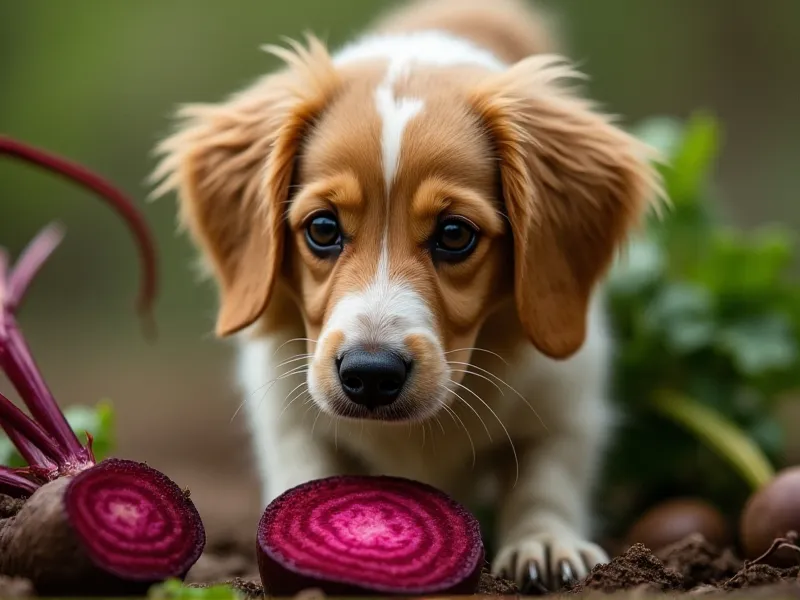
Table of Contents
- Can Dogs Eat Beetroot? The Short Answer
- The Benefits of Beetroot for Dogs: Nutrients That Count
- Risks to Watch For: Why Moderation Matters
- How Much Beetroot Can Dogs Eat? Safe Guidelines
- Healthier Alternatives to Beetroot
- FAQ: Your Beetroot Questions Answered
- Conclusion: Treat Smart, Keep Your Pup Happy
- References
Can Dogs Eat Beetroot? The Short Answer
Let’s cut to the chase: Beetroot is not toxic to dogs. In fact, when fed occasionally and in small amounts, it can be a nutritious addition to their diet. Think of it as a colorful, crunchy treat—not a meal replacement.
Veterinarians agree: “Beetroot is safe for dogs as an occasional snack,” says Dr. Sarah Wooten, a holistic veterinarian and author. “It’s low in fat, high in fiber, and packed with vitamins. But like any human food, it’s all about portion control.”
That said, some dogs may react poorly to beetroot, and overfeeding can lead to issues. Let’s explore the pros and cons.
The Benefits of Beetroot for Dogs: Nutrients That Count
Beetroot isn’t just a pretty veggie—it’s a nutritional powerhouse. Here’s how its key nutrients can support your dog’s health:
1. Fiber: A Happy Gut
Beetroot is rich in dietary fiber (about 2.8g per cup, cooked), which supports digestive health by:
- Promoting regular bowel movements (goodbye, constipation!).
- Feeding “good” gut bacteria, which boosts overall immunity.
- Helping your dog feel full longer (great for weight management).
“Fiber is essential for dogs, but most commercial kibbles don’t provide enough,” notes Dr. Jennifer Coates, a veterinary advisor for PetMD. “Adding a small amount of cooked beetroot can help fill that gap—without the empty calories of processed treats.”
2. Potassium: Heart and Muscle Support
Potassium is a mineral that keeps your dog’s heart beating steady and muscles functioning smoothly. A 1-cup serving of cooked beetroot contains about 518mg of potassium—more than a banana!
“Potassium helps regulate blood pressure and fluid balance,” explains Dr. Wooten. “For active dogs or seniors, this mineral is especially important for maintaining energy and mobility.”
3. Folate (Vitamin B9): Cell Health
Folate is critical for cell repair and DNA synthesis, making it vital for growing puppies and senior dogs alike. Beetroot is a natural source of folate, which:
- Supports healthy cell growth (important for puppies’ development).
- May reduce the risk of anemia (low red blood cells).
A 2019 study in the Journal of Nutrition even linked folate to improved cognitive function in aging dogs—another win!
4. Antioxidants: Fight Inflammation
Beetroot gets its deep red color from betalains, powerful antioxidants that fight inflammation and oxidative stress (damage from free radicals).
“Chronic inflammation is linked to diseases like arthritis, diabetes, and even cancer in dogs,” says Dr. Coates. “Betalains in beetroot can help neutralize free radicals, supporting long-term health.”
5. Low in Calories, High in Satisfaction
At just 58 calories per cooked cup, beetroot is a low-calorie treat—perfect for dogs watching their weight. Swap a high-fat biscuit for a few beetroot chunks, and your pup gets crunch, flavor, and nutrients without the extra calories.
Risks to Watch For: Why Moderation Matters
While beetroot has benefits, it’s not without risks. Here’s what to avoid:
1. Natural Sugar: Too Much Can Lead to Weight Gain
Beetroot is sweet—and that sweetness comes from natural sugars (about 9g per cup). While natural sugar is better than added sugar, over time, excess can lead to:
- Weight gain (hello, extra pounds!).
- Increased risk of diabetes (especially in dogs predisposed to the condition).
- Tooth decay (yes, dogs get cavities too!).
“Even ‘healthy’ sugar adds up,” warns Dr. Wooten. “A medium dog shouldn’t eat more than 3-4 tablespoons of beetroot per week. Any more, and you’re pushing their sugar intake.”
2. Stomach Upset: Fiber Overload
Fiber is great—until it’s not. Too much beetroot can overwhelm your dog’s digestive system, causing:
- Diarrhea or loose stools.
- Bloating or gas (your couch will thank you for avoiding this!).
- Nausea (some dogs may vomit if they eat too much).
Small dogs and puppies are especially sensitive. Start with a tiny amount (1-2 teaspoons) and monitor for 24 hours before increasing.
3. Choking Hazards: Raw or Large Chunks
Raw beetroot is tough and fibrous. If fed in big chunks, it can get stuck in your dog’s throat—especially small breeds like Chihuahuas or Yorkies. Even larger dogs can choke on unchewed pieces.
Rule of thumb: Always cook, peel, and chop beetroot into bite-sized pieces. Soft, cooked beetroot is easier to chew and digest.
4. Beeturia: The “Scary” Red Urine
Here’s a fun (and harmless!) quirk: Beetroot can turn your dog’s urine (and even stool) pink or red. This is called beeturia, and it’s caused by the betalain pigments in the veggie.
“Pet parents often panic, thinking their dog has blood in their urine,” says Dr. Coates. “But beeturia is totally normal and harmless. If your dog isn’t lethargic, in pain, or straining to pee, it’s just the beetroot talking!”
5. Pesticides and Additives: Choose Organic When Possible
Conventionally grown beetroot may have pesticide residues on the skin. These chemicals can irritate your dog’s stomach or even cause toxicity in large amounts.
Always peel beetroot before feeding, and opt for organic if you can. If not, scrub the skin thoroughly under running water.
How Much Beetroot Can Dogs Eat? Safe Guidelines
So, how much is “moderation”? Follow these rules based on your dog’s size:
| Dog Size | Max Beetroot per Week (Cooked, Chopped) |
|---|---|
| Small (5-20 lbs) | 1-2 tablespoons |
| Medium (21-50 lbs) | 2-3 tablespoons |
| Large (51+ lbs) | 3-4 tablespoons |
Pro Tips for Feeding Beetroot:
- Cook it: Raw beetroot is hard to digest. Steam, boil, or roast (no oil!) until soft.
- Peel and chop: Remove the tough skin and dice into ½-inch pieces (smaller for tiny dogs).
- No seasoning: Skip salt, pepper, vinegar, or spices—these can upset your dog’s stomach.
- Treat, not meal: Beetroot should never replace your dog’s balanced kibble or wet food. It’s an occasional snack, not a main dish.
Healthier Alternatives to Beetroot
Not all dogs love beetroot—and that’s okay! Here are 3 nutrient-packed alternatives with fewer risks:
1. Carrots: Crunchy, Low-Sugar, and Great for Teeth
Carrots are a vet favorite. They’re:
- Lower in sugar than beetroot (4.7g per cup, raw).
- High in beta-carotene (supports eye health).
- Crunchy texture helps clean teeth (nature’s toothbrush!).
How to feed: Raw or cooked, chopped into small pieces.
2. Sweet Potatoes: Fiber-Rich and Beta-Carotene Boost
Sweet potatoes have:
- More fiber than beetroot (3.8g per cup, cooked).
- Lower sugar (16g per cup, but slower-digesting than beetroot’s sugar).
- Beta-carotene (converts to vitamin A, great for skin and coat).
How to feed: Bake or boil, mash, and mix into kibble (1-2 tbsp per meal for medium dogs).
3. Green Beans: Low-Calorie, High-Fiber, and Crunchy
Green beans are perfect for weight management. They’re:
- Almost calorie-free (31 calories per cup, raw).
- Loaded with fiber (2.7g per cup).
- Rich in vitamins A, C, and K.
How to feed: Raw, steamed, or frozen (great for teething puppies!).
FAQ: Your Beetroot Questions Answered
Q: Can dogs eat beetroot leaves?
A: Maybe, but proceed with caution. Beetroot leaves (the greens) are edible, but they’re higher in oxalates (which can contribute to kidney stones in susceptible dogs). If you want to share, feed 1-2 small, washed leaves per week (cooked, to reduce oxalates).
Q: Is beetroot juice safe for dogs?
A: It’s not ideal. Beetroot juice is concentrated sugar (no fiber to slow absorption), which can spike blood sugar. If you want to share, dilute 1 tsp of juice in ½ cup water and offer as a rare treat.
Q: My dog ate a whole beetroot—should I panic?
A: Probably not, but monitor for 24 hours. They may have diarrhea, gas, or red urine (beeturia). If they’re lethargic, vomiting, or in pain, call your vet.
Q: Can diabetic dogs eat beetroot?
A: It’s risky. The natural sugar in beetroot can raise blood sugar levels. Ask your vet first—they may recommend avoiding it or limiting to 1 tsp per week.
Q: Are pickled beets safe for dogs?
A: No. Pickled beets have vinegar, salt, and sometimes sugar—all of which can upset your dog’s stomach or lead to sodium toxicity. Stick to plain, cooked beetroot.
Conclusion: Treat Smart, Keep Your Pup Happy
Beetroot can be a colorful, nutritious treat for dogs—when fed in moderation. Its fiber, potassium, and antioxidants offer real benefits, but too much can lead to stomach upset or weight gain.
Remember: Every dog is different. What works for a lab may not work for a pug. If your dog has health issues (diabetes, kidney disease, or a sensitive stomach), always check with your vet before introducing new foods.
At the end of the day, the best treats are the ones that make your pup’s tail wag and keep them healthy. Whether it’s a tiny bite of beetroot or a crunchy carrot, a little goes a long way.
Happy snacking, and here’s to many more tail-wagging moments with your furry friend!
References
- American Kennel Club (AKC). “Can Dogs Eat Beetroot?” akc.org
- Coates, J. (2023). “Human Foods Dogs Can and Can’t Eat.” PetMD. petmd.com
- Wooten, S. (2022). “Beetroot for Dogs: Benefits and Risks.” Holistic Vet Info. holisticvetinfo.com
- Journal of Agricultural and Food Chemistry. “Betalains: Natural Antioxidants with Potential Health Benefits.” (2019).
- American College of Veterinary Nutrition (ACVN). “Feeding Guidelines for Dogs.” acvn.org