· 7 min read
Can Dogs Eat Beetles? What Pet Parents Need to Know About This Common Backyard Snack
It’s a familiar scene for many dog owners: you’re enjoying a lazy afternoon in the yard, your pup trotting beside you, when suddenly their ears perk up. They zero in on a tiny, scurrying target—a beetle, glinting in the sun—and before you can say “leave it,” they’ve snapped it up. Cue the panic: Is that safe? Can dogs eat beetles?
If you’ve ever found yourself asking this, you’re not alone. Dogs are curious creatures, and their instinct to chase and munch on bugs is hardwired. But when it comes to beetles, the answer isn’t as simple as “yes” or “no.” Let’s break down what you need to know to keep your furry friend safe.
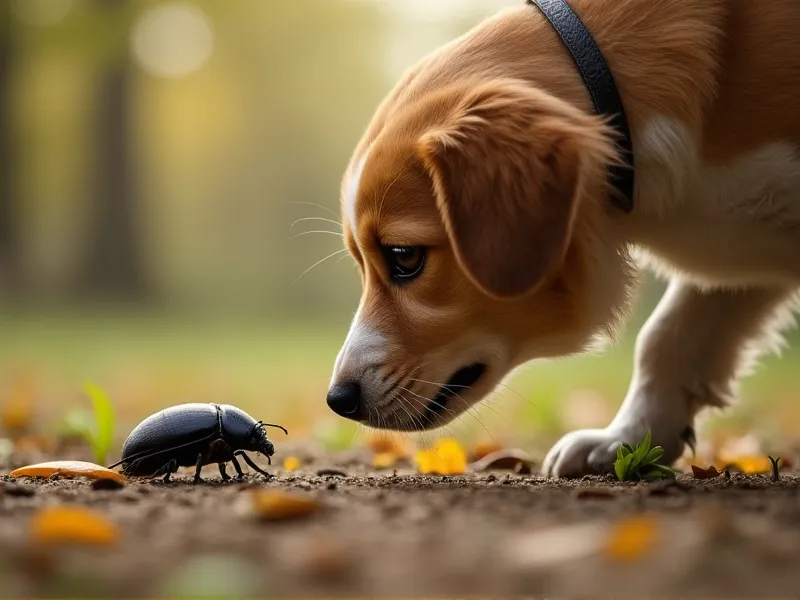
Table of Contents
- Can Dogs Eat Beetles? The Short Answer
- Potential “Benefits” of Beetles for Dogs (Spoiler: They’re Minimal)
- The Risks of Dogs Eating Beetles: What Pet Parents Need to Know
- Toxic Beetle Species to Watch For
- Digestive Upset and Choking Hazards
- Pesticides and Environmental Contaminants
- How Much Beetle Is “Safe” for Dogs? Guidelines for Pet Parents
- Healthier Alternatives to Beetles for Your Pup
- Frequently Asked Questions (FAQ)
- Conclusion: Prioritizing Your Dog’s Safety and Nutrition
1. Can Dogs Eat Beetles? The Short Answer
Most beetles are not immediately toxic to dogs, but they’re far from a safe or recommended snack.
Here’s the deal: Beetles are a diverse group of insects, with over 350,000 species worldwide. While many common backyard beetles (like ladybugs, June bugs, or ground beetles) are generally non-toxic in small amounts, others—such as blister beetles or certain weevils—can be dangerous, even deadly.
Even non-toxic beetles pose risks, like digestive upset or choking. So while your dog might want to chase and eat them, it’s best to discourage the habit. When in doubt, assume the beetle is a risk and keep your pup away.
2. Potential “Benefits” of Beetles for Dogs (Spoiler: They’re Minimal)
You might wonder: If beetles are a natural part of some animals’ diets (like birds or reptiles), could they offer any nutritional value for dogs? Let’s take a closer look:
Trace Nutrients, but Not Enough to Matter
Beetles are high in protein (up to 60% of their dry weight, according to some entomology studies), and their exoskeletons contain chitin, a fiber-like substance. They may also have small amounts of vitamins (like B12) and minerals (like iron). However, these nutrients are negligible compared to what’s in a balanced dog food. Dogs get all the protein, fiber, and vitamins they need from commercial kibble or fresh, vet-approved foods—no beetles required.
“Natural” Doesn’t Equal “Good”
Dogs are descendants of wolves, which do eat insects in the wild. But modern dogs have evolved to thrive on a diet tailored to their needs, not random bugs. Wild wolves eat insects out of necessity, not choice—and they also consume the entire prey (bones, organs, etc.) to balance their nutrition. A single beetle won’t provide that balance.
3. The Risks of Dogs Eating Beetles: What Pet Parents Need to Know
The risks of letting your dog eat beetles far outweigh any minor “benefits.” Here’s what to watch for:
Toxic Beetle Species to Watch For
Some beetles produce toxins that can sicken or kill dogs. The most dangerous include:
- Blister Beetles: Found in gardens and fields, these beetles secrete cantharidin, a chemical that causes blistering of the mouth, throat, and digestive tract. Even a small blister beetle can lead to drooling, vomiting, bloody diarrhea, or kidney failure in dogs.
- Colorado Potato Beetles: These bright yellow-and-black beetles feed on potato plants and contain solanine, a toxin that causes gastrointestinal upset, weakness, or seizures in large amounts.
- Certain Weevils: Weevils that infest grains (like rice or wheat weevils) may carry mold or fungi, which can produce mycotoxins harmful to dogs.
How to spot them? Blister beetles are elongated and vary in color (black, gray, or striped); Colorado potato beetles have distinct yellow elytra (wing covers) with black stripes. When in doubt, assume any unfamiliar beetle is risky.
Digestive Upset and Choking Hazards
Even non-toxic beetles can cause problems:
- Exoskeletons Are Hard to Digest: Beetles have tough, chitinous exoskeletons that dogs can’t break down easily. This can irritate the stomach lining, leading to vomiting, diarrhea, or constipation. In small dogs, large beetles or multiple beetles could even cause intestinal blockages—a life-threatening emergency.
- Choking Risk: Small dogs or puppies may choke on large beetles, especially if they try to swallow them whole.
Pesticides and Environmental Contaminants
Beetles in your yard or garden might have been exposed to pesticides, herbicides, or fertilizers. If your dog eats a beetle that’s been sprayed, they could ingest these chemicals, leading to poisoning. Symptoms include lethargy, tremors, or difficulty breathing.
4. How Much Beetle Is “Safe” for Dogs? Guidelines for Pet Parents
The short answer: There’s no “safe” amount to intentionally feed your dog.
Beetles aren’t a necessary part of their diet, and the risks (toxic species, digestive issues, pesticides) make them an unreliable snack. If your dog accidentally eats a small, non-toxic beetle (like a ladybug or June bug), they’ll likely be fine. Monitor them for 24 hours for signs of upset (vomiting, diarrhea, lethargy), but don’t panic unless symptoms appear.
If your dog eats a beetle you suspect is toxic (like a blister beetle) or shows any symptoms after eating one, contact your vet or the ASPCA Animal Poison Control Center (APCC) immediately at (888) 426-4435.
5. Healthier Alternatives to Beetles for Your Pup
Instead of letting your dog chase beetles, offer these safe, nutritious snacks that satisfy their crunch craving:
- Carrots: Low in calories, high in fiber and vitamin A.
- Green Beans: Crunchy, packed with fiber, and a great low-calorie treat.
- Blueberries: Rich in antioxidants and safe for most dogs.
- Cooked Sweet Potato: A source of fiber and vitamins (feed plain, no added sugar).
- Commercial Dog Treats: Look for options with natural ingredients (e.g., pumpkin, salmon) and no artificial additives.
These snacks are vet-approved, easy to digest, and won’t expose your dog to toxins or choking hazards.
6. Frequently Asked Questions (FAQ)
Q: My dog ate a beetle—should I worry?
A: If it was a small, common beetle (like a ladybug or June bug) and your dog seems fine (no vomiting, diarrhea, or lethargy), monitor them for 24 hours. Most likely, they’ll be okay. If you’re unsure of the beetle’s species or your dog shows symptoms, call your vet.
Q: Are all beetles toxic to dogs?
A: No—many common beetles (e.g., ladybugs, ground beetles) are non-toxic in small amounts. But some species (blister beetles, Colorado potato beetles) are highly toxic. It’s impossible to know every beetle species, so it’s safest to prevent your dog from eating them.
Q: Can beetles cause intestinal blockages in dogs?
A: Yes, especially if your dog eats multiple beetles or a large one. The exoskeleton is indigestible and can clump together, blocking the intestines. Symptoms include vomiting, loss of appetite, or inability to defecate—this requires emergency vet care.
Q: Should I let my dog “hunt” beetles for fun?
A: It’s best to redirect the behavior. Chasing beetles can turn into a habit, and your dog might accidentally eat a toxic one. Offer a toy or play fetch instead to satisfy their prey drive.
7. Conclusion: Prioritizing Your Dog’s Safety and Nutrition
Dogs and beetles might seem like a harmless backyard combo, but the risks of toxic species, digestive upset, and pesticides make beetles a snack best avoided. While an accidental nibble of a non-toxic beetle is unlikely to harm your pup, there’s no reason to let them make a habit of it.
Stick to vet-approved treats and a balanced diet to keep your dog healthy and happy. And if you ever have questions about what’s safe for your furry friend, don’t hesitate to consult your veterinarian—they’re your best resource for personalized advice.
After all, your dog’s curiosity is part of what makes them lovable—but when it comes to bugs, a little supervision goes a long way.
References
- American Society for the Prevention of Cruelty to Animals (ASPCA). “Toxic and Non-Toxic Insects.” ASPCA.org
- VCA Hospitals. “Insects and Arachnids: Toxic to Pets.” VCAHospitals.com
- PetMD. “Can Dogs Eat Insects? What You Need to Know.” PetMD.com
- University of Illinois College of Veterinary Medicine. “Blister Beetle Toxicosis in Dogs.” VetMed.illinois.edu