· 9 min read
Can Dogs Eat Beef Tallow? Benefits, Risks, and Safe Feeding Guidelines
You’re searing a steak in the pan, and that golden, sizzling fat—beef tallow—is bubbling away. Your dog, ever the opportunist, is at your feet, tail thumping, hoping for a taste. It’s hard to resist those puppy eyes, but before you share, you pause: Is beef tallow safe for dogs? After all, dogs are carnivores, and a little fat might seem like a natural treat. But the truth is, not all human foods are created equal for our furry friends. In this guide, we’ll break down everything you need to know about beef tallow—from its nutritional pros to potential pitfalls—so you can make the best choice for your pup.
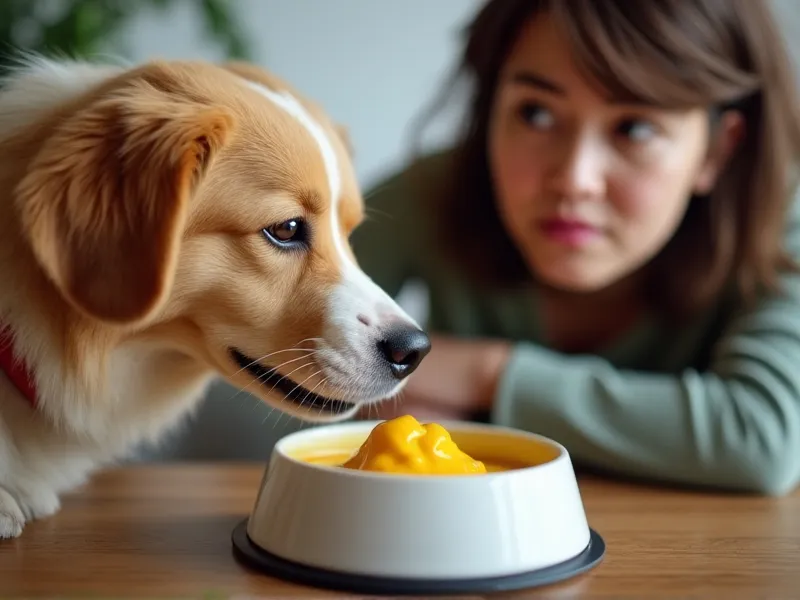
Table of Contents
- Can Dogs Eat Beef Tallow? The Short Answer
- What Is Beef Tallow, Anyway?
- Potential Benefits of Beef Tallow for Dogs
- Risks of Feeding Beef Tallow to Dogs
- How Much Beef Tallow Is Safe for Dogs?
- Healthier Alternatives to Beef Tallow
- FAQ: Your Beef Tallow Questions Answered
- Conclusion: Moderation Is Key
- References
Can Dogs Eat Beef Tallow? The Short Answer
Yes, dogs can eat small amounts of plain, unseasoned beef tallow as an occasional treat—but it’s not without risks. Beef tallow is rendered beef fat, and while it’s not toxic, its high saturated fat content can lead to digestive upset, obesity, or even pancreatitis if overfed. For most dogs, especially those with health conditions like diabetes or a history of pancreatitis, it’s best to skip it altogether. When in doubt, always check with your vet first.
What Is Beef Tallow, Anyway?
Before we dive into the pros and cons, let’s clarify what beef tallow is. Tallow is simply beef fat that’s been melted down, strained, and cooled into a solid (or semi-solid) form. It’s made from the hard, fatty parts of cows—like suet (the fat around the kidneys) or trimmings from meat cuts.
Historically, tallow was a staple in human diets and household products (think candles, soap, or even lubricants), but today it’s most commonly used in cooking (for frying, roasting, or adding flavor) or as an ingredient in processed foods. For dogs, it’s often encountered as a scrap from the dinner table, a component in some commercial dog treats, or even as a “supplement” for a shiny coat.
Potential Benefits of Beef Tallow for Dogs
While beef tallow isn’t a nutritional powerhouse, it does offer a few potential perks—when fed in tiny, controlled amounts. Here’s what you need to know:
1. A Concentrated Source of Energy
Beef tallow is calorie-dense, packing about 9 calories per gram (compared to 4 calories per gram for protein or carbs). This makes it a quick energy boost—useful for extremely active dogs (like working dogs, sled dogs, or hunting dogs) who burn through calories rapidly. For these pups, a tiny bit of tallow might help replenish energy stores after a long day of activity.
2. Contains Fat-Soluble Vitamins
Fat is essential for dogs to absorb fat-soluble vitamins (A, D, E, and K), and tallow naturally contains small amounts of these nutrients:
- Vitamin A: Supports eye health and immune function.
- Vitamin D: Aids in calcium absorption for strong bones.
- Vitamin E: An antioxidant that protects cells from damage.
- Vitamin K: Helps with blood clotting.
That said, most commercial dog foods are already fortified with these vitamins, so tallow isn’t necessary for meeting your dog’s needs.
3. Palatability (Dogs Love the Taste!)
Let’s be real: Dogs go crazy for fat. The rich, meaty flavor of tallow makes it a highly motivating treat, which can be helpful for training picky eaters or enticing dogs to take medication. Just remember: “tasty” doesn’t equal “healthy” in excess.
Risks of Feeding Beef Tallow to Dogs
The biggest downside of beef tallow? Its high saturated fat content. While small amounts might be harmless, overindulging can lead to serious health issues. Here’s what to watch out for:
1. Pancreatitis: A Life-Threatening Risk
Pancreatitis (inflammation of the pancreas) is one of the most dangerous risks of feeding high-fat foods like tallow to dogs. The pancreas produces enzymes to digest food, and a sudden influx of fat can trigger these enzymes to attack the pancreas itself. Symptoms include vomiting, diarrhea, loss of appetite, lethargy, and abdominal pain. Severe cases require emergency vet care and can be fatal.
Certain dogs are more at risk: overweight dogs, those with diabetes, or breeds prone to pancreatitis (like Miniature Schnauzers, Cocker Spaniels, and Yorkshire Terriers). Even a single large serving of tallow could trigger an episode in these pups.
2. Obesity and Weight Gain
Dogs need a balanced diet to maintain a healthy weight, and tallow is empty calories—it’s high in fat but low in other essential nutrients (like protein, fiber, or vitamins). Feeding even small amounts regularly can add up: A teaspoon of tallow has about 40 calories, which is 10% of the daily calorie needs of a 10-pound dog (who typically needs ~400 calories/day). Over time, this can lead to obesity, which increases the risk of diabetes, joint pain, and heart disease.
3. Digestive Upset
Dogs’ digestive systems aren’t built to handle large amounts of fat. Feeding tallow can cause diarrhea, vomiting, or stomach cramps—especially in dogs with sensitive stomachs or those unused to fatty foods. Puppies and senior dogs are particularly prone to digestive issues, as their systems are less resilient.
4. Choking or Blockage Hazards
If you’re feeding solid chunks of tallow (not rendered, melted fat), there’s a risk of choking—especially for small dogs. Even melted tallow, if fed in large globs, can harden in the stomach and cause a blockage, which may require surgery to remove.
5. Added Ingredients in Processed Tallow
Not all tallow is created equal. Avoid feeding dogs tallow that’s been seasoned (with salt, garlic, onion, or spices), fried in oil, or mixed with other ingredients (like in some commercial snacks). Garlic and onion are toxic to dogs, while excess salt can lead to sodium ion poisoning (symptoms: vomiting, diarrhea, seizures).
How Much Beef Tallow Is Safe for Dogs?
If you decide to feed your dog beef tallow (and your vet gives the green light), moderation is non-negotiable. Here’s a general guideline based on your dog’s size:
| Dog Size | Max Tallow per Week (as a treat) |
|---|---|
| Small (10-20 lbs) | ¼–½ teaspoon |
| Medium (30-50 lbs) | ½–1 teaspoon |
| Large (60+ lbs) | 1–2 teaspoons |
Key rules to follow:
- Occasional only: Tallow should never replace a meal or be fed daily. Think of it as a rare treat (once a week or less).
- No seasoning: Only feed plain, unseasoned, rendered tallow (no salt, spices, or additives).
- Melted and cooled: Avoid solid chunks—melt a tiny amount, let it cool, and mix it into their regular food (so it’s spread out, not a big glob).
- Watch for reactions: After feeding, monitor your dog for 24 hours. If they vomit, have diarrhea, or seem lethargic, contact your vet.
Healthier Alternatives to Beef Tallow
If you want to treat your dog to a fatty snack without the risks of tallow, try these safer, more nutritious alternatives:
1. Fish Oil
Rich in omega-3 fatty acids (EPA and DHA), fish oil supports healthy skin, a shiny coat, joint health, and brain function. It’s low in saturated fat and far less likely to cause digestive upset than tallow. Look for a dog-specific fish oil supplement (to avoid mercury) and follow dosage instructions based on your dog’s weight.
2. Coconut Oil
Coconut oil contains medium-chain triglycerides (MCTs), which are easier for dogs to digest than the long-chain fats in tallow. It can boost energy, support skin health, and even aid digestion in small amounts. Start with ¼ teaspoon (small dogs) to 1 tablespoon (large dogs) daily, mixed into food.
3. Lean Cooked Meat
Instead of fat, offer a small piece of lean, unseasoned chicken, turkey, or beef. These provide protein (essential for muscle health) without the excess fat of tallow. A 1-inch cube of cooked chicken breast is a far healthier treat than a scrap of fat.
4. Pumpkin
For a low-calorie, fiber-rich treat, try plain, canned pumpkin (not pie filling). It’s great for digestion, helps with diarrhea or constipation, and most dogs love the sweet flavor.
5. Plain Greek Yogurt
Unsweetened Greek yogurt is high in protein and probiotics, which support gut health. It’s a creamy, tasty treat that’s low in fat (opt for non-fat or low-fat versions) and safe for most dogs (avoid if your dog is lactose intolerant).
FAQ: Your Beef Tallow Questions Answered
Q: Is beef tallow the same as lard?
A: No. Tallow is rendered beef fat, while lard is rendered pork fat. Both are high in saturated fat, but lard is slightly lower in saturated fat than tallow. However, the risks (pancreatitis, obesity) are similar for both—so lard isn’t a safer alternative.
Q: Can puppies eat beef tallow?
A: It’s best to avoid feeding tallow to puppies. Their digestive systems are still developing, and fatty foods can cause severe diarrhea or stunted growth. Stick to puppy-specific treats recommended by your vet.
Q: My dog ate a lot of beef tallow by accident! What should I do?
A: Don’t panic, but monitor them closely. If they ate a large amount (more than the guidelines above), contact your vet immediately—especially if they show signs of pancreatitis (vomiting, lethargy, abdominal pain). Your vet may recommend inducing vomiting or monitoring for 24–48 hours.
Q: Is beef tallow good for dogs with dry skin?
A: While fat is important for skin health, tallow isn’t the best choice. Fish oil or coconut oil are better options—they contain omega-3s or MCTs that specifically support skin and coat health without the pancreatitis risk.
Q: Can dogs eat beef tallow from commercial dog treats?
A: Some dog treats include tallow as an ingredient (e.g., “tallow-based” biscuits). Check the label: If tallow is near the top of the ingredient list, the treat is high in fat. Opt for treats with lean proteins (like chicken or salmon) as the first ingredient instead.
Conclusion: Moderation Is Key
So, can dogs eat beef tallow? In tiny, occasional amounts, and with your vet’s approval, it’s probably safe for healthy dogs. But the risks—pancreatitis, obesity, digestive upset—often outweigh the minimal benefits. For most pet parents, skipping the tallow and choosing a healthier alternative (like fish oil or lean meat) is the smarter choice.
Remember: Every dog is different. If your dog has a history of pancreatitis, obesity, or digestive issues, tallow is a definite no-go. When in doubt, pick up the phone and ask your vet—they know your pup’s health best.
At the end of the day, your dog’s favorite treat isn’t the scrap of fat from your plate—it’s you. A walk, a game of fetch, or extra snuggles are always safer (and more meaningful) than any human food.
References
- American Kennel Club (AKC). “Can Dogs Eat Fat Trimmings?” akc.org, 2023.
- PetMD. “Pancreatitis in Dogs: Symptoms, Causes, and Treatment.” petmd.com, 2023.
- FDA. “Bad Food for Dogs.” fda.gov, 2022.
- Cummings School of Veterinary Medicine at Tufts University. “Fat in Dog Diets: The Good, the Bad, and the Ugly.” tuftscvm.org, 2019.
- Dr. Jennifer Coates, DVM. “Is Coconut Oil Good for Dogs?” petmd.com, 2023.