· 7 min read
Can Dogs Eat Beef Steak? A Pet Parent’s Guide to Sharing the Grill (Responsibly!)
Picture this: It’s a beautiful weekend, you’re firing up the grill, and the scent of searing beef steak fills the air. Your dog, tail thumping a mile a minute, plants themselves at your feet, nose twitching, eyes locked on the juicy slab of meat. “Just a tiny bite won’t hurt, right?” you think. We’ve all been there—those puppy-dog eyes are hard to resist! But before you toss them a morsel, you pause: Can dogs actually eat beef steak? Is it safe? And if so, how much is too much?
As pet parents, we want to spoil our furry friends, but their health always comes first. In this guide, we’ll break down everything you need to know about feeding beef steak to dogs: the benefits, the risks, how to do it safely, and even healthier alternatives. Let’s dive in!
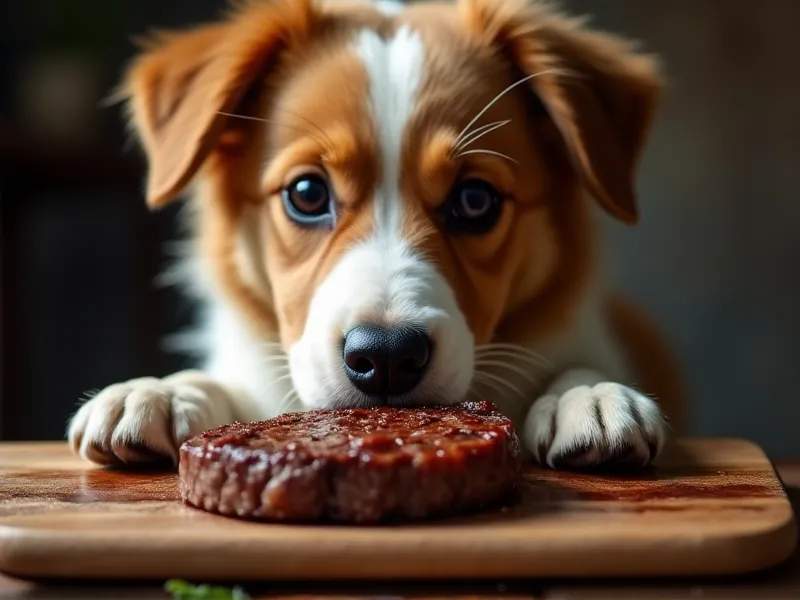
Table of Contents
- Can Dogs Eat Beef Steak? The Short Answer
- The Benefits of Beef Steak for Dogs (When Fed Safely)
- Risks to Watch Out For: What Makes Steak Unsafe?
- How Much Beef Steak Can Dogs Eat? Guidelines for Safe Feeding
- Healthier Alternatives to Beef Steak
- FAQ: Your Steak-and-Dog Questions Answered
- Conclusion: Steak as a Treat, Not a Staple
- References
Can Dogs Eat Beef Steak? The Short Answer
Yes, dogs can eat beef steak—but with important caveats. Plain, cooked, lean beef steak, served in moderation, can be a tasty and nutritious treat for most healthy dogs. However, it should never replace their regular, balanced dog food, and there are risks to avoid (like bones, seasoning, or fatty cuts). Let’s unpack the details.
The Benefits of Beef Steak for Dogs (When Fed Safely)
Beef steak isn’t just a delicious indulgence—it can offer some nutritional perks for your pup when prepared correctly. Here’s why a small, occasional serving might be a good idea:
1. High-Quality Protein for Muscle & Energy
Beef is a complete protein, meaning it contains all the essential amino acids dogs need to build and repair muscles, support healthy skin and coat, and maintain overall bodily functions. A 3-ounce serving of cooked, lean beef provides about 22 grams of protein—perfect for active dogs or those needing a protein boost (like working dogs or puppies).
2. Essential Vitamins & Minerals
Steak is packed with nutrients dogs need:
- Iron: Helps red blood cells carry oxygen, preventing anemia.
- Zinc: Supports immune function, wound healing, and healthy skin/coat.
- B Vitamins (B12, B6, Niacin): Aid in energy metabolism, brain function, and cell repair.
- Selenium: An antioxidant that protects cells from damage.
- Phosphorus: Works with calcium to keep bones and teeth strong.
3. Palatability for Picky Eaters
If your dog turns up their nose at kibble, a tiny piece of plain steak can sometimes entice them to eat—great for dogs recovering from illness or those on a restricted diet (always check with your vet first!).
Risks to Watch Out For: What Makes Steak Unsafe?
While steak can be a treat, certain factors can turn it into a hazard. Here’s what to avoid:
1. Fatty Cuts & Excess Fat
Marbled or fatty steaks (like ribeye, T-bone, or prime cuts) are high in saturated fat. Too much fat can cause pancreatitis—a painful, potentially life-threatening inflammation of the pancreas. Symptoms include vomiting, diarrhea, lethargy, and loss of appetite. Even small amounts of fat can trigger this in susceptible dogs (like those with a history of pancreatitis or obesity).
2. Seasonings & Sauces
Steak is often cooked with garlic, onions, salt, pepper, herbs, or sauces (like soy, Worcestershire, or BBQ). Onions and garlic are toxic to dogs, causing anemia by damaging red blood cells. Salt can lead to sodium ion poisoning (thirst, vomiting, seizures), while pepper and spices may irritate their stomach. Sauces often contain sugar, preservatives, or xylitol (a sugar substitute that’s deadly to dogs).
3. Bones: A Major Choking Hazard
Steak bones (cooked or raw) are a big no-no. Cooked bones become brittle and can splinter, lodging in the throat, esophagus, or intestines—causing choking, tears, or blockages. Even raw bones pose a risk of bacterial contamination or dental fractures.
4. Undercooked or Raw Steak
Feeding raw or undercooked steak increases the risk of bacterial infections like E. coli, Salmonella, or Listeria, which can make both dogs and humans sick. While some advocate for raw diets, the FDA warns against them due to these risks (more on that in the FAQ!).
5. Overfeeding & Nutritional Imbalance
Steak is high in calories (about 250 calories per 3-ounce cooked serving). Feeding too much can lead to obesity, which increases the risk of diabetes, joint pain, and heart disease. Plus, if steak replaces regular dog food, your pup might miss out on essential nutrients (like fiber, vitamins from fruits/veggies) found in balanced diets.
How Much Beef Steak Can Dogs Eat? Guidelines for Safe Feeding
If you want to share steak with your dog, follow these rules:
1. Cook It Thoroughly
Cook steak to an internal temperature of 160°F (71°C) to kill bacteria. Avoid rare or medium-rare—undercooked meat is riskier.
2. Keep It Plain & Lean
Choose lean cuts like sirloin, tenderloin, or top round. Trim all visible fat and gristle to reduce pancreatitis risk. Skip the seasoning, marinades, or sauces—just meat, nothing else.
3. No Bones, Ever
Discard bones immediately. Even small bone fragments can be dangerous.
4. Serve as an Occasional Treat
Steak should never replace your dog’s regular food. Aim for 10% or less of their daily calories from treats. For reference:
- Small dogs (10–20 lbs): 1–2 ounces (about the size of a deck of cards) per week.
- Medium dogs (30–50 lbs): 2–4 ounces per week.
- Large dogs (60–100+ lbs): 4–6 ounces per week.
5. Watch for Reactions
If it’s your dog’s first time trying steak, start with a tiny piece and monitor for 24 hours. Signs of trouble: vomiting, diarrhea, bloating, or lethargy.
Healthier Alternatives to Beef Steak
If you want to treat your dog but avoid steak’s risks, try these options:
1. Lean Ground Beef
Cooked, unseasoned ground beef (90% lean or higher) is easier to portion and lower in fat than steak. Mix a spoonful into their kibble for extra flavor.
2. Turkey or Chicken Breast
Skinless, boneless, cooked turkey or chicken is leaner than beef and less likely to cause pancreatitis. Great for dogs on weight management diets.
3. Fish (Salmon, Tuna, Sardines)
Fatty fish like salmon are rich in omega-3s, supporting skin/coat health. Sardines (in water, no salt) are packed with calcium and protein.
4. Organ Meats (Liver, Kidney)
In small amounts, organ meats are nutrient-dense (iron, vitamin A, zinc). But too much liver can cause vitamin A toxicity, so limit to 1–2 times per week.
5. Veggies & Fruits
Carrots, green beans, blueberries, or apple slices (no seeds) are low-calorie, high-fiber treats that clean teeth and add nutrients.
FAQ: Your Steak-and-Dog Questions Answered
Q: Can dogs eat raw steak?
A: Raw steak carries risks of bacterial infections (E. coli, Salmonella) and parasites (like Toxoplasma). The FDA and AVMA caution against raw diets due to these health hazards for both pets and humans. If you feed raw, consult a vet nutritionist to ensure safety.
Q: What if my dog ate steak bones?
A: Contact your vet immediately. Symptoms of a blockage include gagging, drooling, vomiting, diarrhea, or lethargy. Do NOT induce vomiting unless directed by a vet.
Q: Can dogs have seasoned steak (e.g., with garlic or pepper)?
A: No. Garlic and onions contain thiosulfate, which is toxic to dogs. Salt, pepper, and sauces can irritate their stomach or cause poisoning.
Q: How often can I give my dog steak?
A: As an occasional treat—once a week at most. Daily feeding increases obesity and nutrient imbalance risks.
Q: My dog ate too much steak. What should I do?
A: Watch for signs of pancreatitis (vomiting, abdominal pain, lethargy) or stomach upset. If symptoms occur, call your vet. For mild cases, withhold food for 12–24 hours and offer small amounts of water.
Conclusion: Steak as a Treat, Not a Staple
Sharing a bite of plain, cooked, lean steak with your dog can be a joyful bonding moment—just keep it small, safe, and occasional. Remember: moderation is key, and always prioritize their regular, balanced dog food. If your dog has health issues (like pancreatitis, kidney disease, or allergies), check with your vet before offering steak.
Your pup’s tail will wag just as hard for a tiny, safe treat as a big, risky one. Here’s to happy grilling—and happy, healthy dogs!
References
- American Society for the Prevention of Cruelty to Animals (ASPCA). “People Foods to Avoid Feeding Your Pets.” aspca.org/pet-care/animal-poison-control/people-foods-avoid-feeding-your-pets
- American Kennel Club (AKC). “Can Dogs Eat Steak? What You Need to Know.” akc.org/expert-advice/nutrition/can-dogs-eat-steak
- PetMD. “Pancreatitis in Dogs: Symptoms, Causes, and Treatment.” petmd.com/dog/conditions/digestive/c_dg_pancreatitis
- U.S. Food & Drug Administration (FDA). “Raw Pet Food: A Risky Choice for Pets and People.” fda.gov/animal-veterinary/animal-health-literacy/raw-pet-food-risky-choice-pets-and-people