· 8 min read
Can Dogs Eat Beef Short Rib Bones? What Pet Parents Need to Know
It’s a familiar scene: You’re enjoying a hearty dinner, gnawing on a succulent beef short rib, when your dog trots over—tail thumping, eyes locked on the leftover bone. “Just a little treat,” you think. “They love bones, right?” But before you toss that bone across the floor, pause. The question of whether dogs can safely eat beef short rib bones is one of the most common (and debated) among pet parents.
Dogs do have a natural instinct to chew, and bones have long been tied to that behavior. But not all bones are created equal. Beef short rib bones, in particular, come with hidden risks that could turn a “harmless” snack into a trip to the vet. In this guide, we’ll break down the facts: the potential benefits (if any), the very real dangers, and what you should do instead to keep your pup happy and healthy.
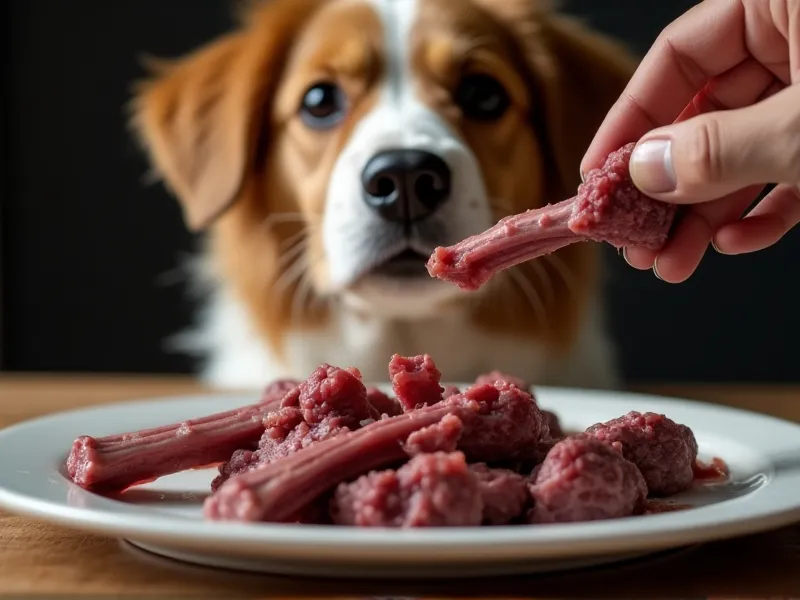
Table of Contents
- Can Dogs Eat Beef Short Rib Bones? The Short Answer
- The “Benefits” of Beef Short Rib Bones: Separating Fact from Fiction
- The Risks: Why Beef Short Rib Bones Are Dangerous for Dogs
- Guidelines: How Much (If Any) Should You Feed?
- Healthier Alternatives to Satisfy Chewing Urges
- FAQ: Your Most Pressing Questions Answered
- Conclusion: Prioritize Safety Over Tradition
Can Dogs Eat Beef Short Rib Bones? The Short Answer
No, dogs should not eat beef short rib bones—cooked or raw. While the meat surrounding short ribs is safe (and even nutritious) in moderation, the bones themselves pose severe risks, including choking, internal injury, and intestinal blockages. Even proponents of raw feeding often caution against small, dense bones like short ribs, as they’re more likely to splinter or get stuck.
The “Benefits” of Beef Short Rib Bones: Separating Fact from Fiction
You might have heard claims that bones are “natural” for dogs, providing nutrients or dental benefits. Let’s unpack the truth:
Claim 1: “Bones Provide Nutrients Like Calcium and Phosphorus”
It’s true that bones contain minerals like calcium and phosphorus, which support bone health. However, dogs get all the calcium they need from a balanced commercial diet. Excess calcium (from bones) can lead to health issues like hypercalcemia, which causes kidney damage, muscle weakness, or even death.
Moreover, the way dogs digest bones is inefficient. They can’t fully break down bone matter, so most of the minerals pass through undigested. Your dog is far better off getting nutrients from their regular food than from a risky bone.
Claim 2: “Chewing Bones Cleans Teeth”
Chewing can help reduce plaque, but bones are not the best tool for the job. Hard bones can scrape or crack teeth, leading to painful fractures or infections. Dental chews approved by the Veterinary Oral Health Council (VOHC) are designed to clean teeth safely without damaging them.
Claim 3: “Bones Offer Fiber or Potassium”
Fiber and potassium come from the meat and connective tissue around the bone, not the bone itself. You can safely give your dog small amounts of cooked, boneless beef short rib meat (trimmed of excess fat) as an occasional treat—just skip the bone!
Takeaway: Any “benefits” of bones are either minimal, achievable through safer means, or overshadowed by the risks.
The Risks: Why Beef Short Rib Bones Are Dangerous for Dogs
The dangers of beef short rib bones far outweigh any perceived benefits. Here’s why they’re so risky:
1. Choking Hazard
Beef short rib bones are small and irregularly shaped, making them easy for dogs to bite off chunks that get stuck in the throat. This can block the airway, leading to choking—a life-threatening emergency. Small dogs are especially at risk, but even large breeds can choke on bone fragments.
2. Splintering and Internal Injury
Cooked bones are the biggest culprit here. Cooking causes bones to dry out and become brittle, so they shatter into sharp splinters when chewed. These splinters can pierce the esophagus, stomach, or intestines, leading to internal bleeding, infection, or peritonitis (a fatal inflammation of the abdominal lining).
Raw bones are often marketed as “safer,” but they’re not risk-free. Even raw short rib bones can splinter, especially if your dog is an aggressive chewer. Plus, raw bones may harbor harmful bacteria like Salmonella or E. coli, which can sicken both your dog and your family.
3. Intestinal Blockages
If a bone fragment doesn’t splinter, it can still get stuck in the intestines. This causes a blockage, preventing food and waste from passing through. Symptoms include vomiting, diarrhea, lethargy, loss of appetite, or straining to poop. Without surgery, an intestinal blockage is fatal.
According to a study in the Journal of the American Veterinary Medical Association, bone ingestion is a leading cause of gastrointestinal obstruction in dogs. Short rib bones, being small and dense, are particularly likely to get lodged.
4. Dental Damage
Hard bones can crack or break teeth, especially molars. A fractured tooth exposes the pulp (nerve and blood vessels), leading to pain, infection, or the need for extraction. Dental procedures for dogs are costly and stressful—easily avoidable by skipping the bone.
5. Pancreatitis from Fatty Meat
Even if you remove the bone, the meat on short ribs is often high in fat. Feeding fatty foods can trigger pancreatitis, an inflammation of the pancreas that causes severe abdominal pain, vomiting, and diarrhea. Pancreatitis is common in dogs and can be life-threatening.
Guidelines: How Much (If Any) Should You Feed?
Given the risks, the safest choice is to never feed your dog beef short rib bones—cooked or raw. Even a small bone fragment can cause catastrophic harm.
If you’re set on giving your dog a bone (e.g., for recreational chewing), consult your vet first. They may recommend large, raw, non-weight-bearing bones (like knucklebones) for large dogs, but these still carry risks. Short ribs are not among the recommended options.
Healthier Alternatives to Satisfy Chewing Urges
Dogs chew to relieve boredom, clean teeth, and satisfy natural instincts. Here are safe, vet-approved alternatives:
1. VOHC-Approved Dental Chews
Look for chews with the VOHC seal (Veterinary Oral Health Council), which means they’re proven to reduce plaque and tartar. Examples include Greenies, Pedigree Dentastix, or C.E.T. VeggieDent chews.
2. Kong Toys
Stuff a Kong (or similar rubber toy) with peanut butter (no xylitol), plain yogurt, or canned pumpkin. Freeze it for a long-lasting, teeth-friendly treat.
3. Raw Vegetables
Carrots, celery, or cucumber slices are low-calorie, crunchy, and safe for most dogs. They help clean teeth and satisfy chewing without risk.
4. Apple Slices (No Seeds)
Apples are a good source of fiber and vitamin C. Remove the core and seeds (which contain small amounts of cyanide) and slice into chunks.
5. Himalayan Yak Chews
Made from yak milk, these hard chews are long-lasting and digestible. They’re low in fat and free of artificial ingredients.
FAQ: Your Most Pressing Questions Answered
Q: What if my dog accidentally ate a beef short rib bone?
A: Stay calm. Monitor for symptoms like vomiting, diarrhea, lethargy, loss of appetite, or difficulty pooping. If you notice any of these, contact your vet immediately. Do NOT induce vomiting unless directed by a professional—this could worsen internal damage.
Q: Are raw bones safer than cooked bones?
A: Raw bones are less likely to splinter than cooked ones, but they’re not risk-free. They can still break into sharp pieces, carry bacteria (Salmonella, E. coli), or cause blockages. The ASPCA and AVMA advise against feeding any bones to dogs.
Q: Can dogs eat the meat from beef short ribs (without the bone)?
A: Yes, in moderation. Remove all bones and trim excess fat, then feed small amounts as an occasional treat. A 10-pound dog should get no more than 1-2 ounces per week; larger dogs can have a bit more.
Q: My dog ate a bone before and was fine—why is it a problem now?
A:侥幸不等于安全。骨头造成的伤害可能是累积的,或者某次误食就会导致严重后果。即使之前没事,也不代表下次不会发生阻塞或撕裂。
Q: What are the signs of a bone obstruction?
A: Symptoms include:
- Vomiting (especially after eating)
- Diarrhea (possibly with blood)
- Lethargy or weakness
- Loss of appetite
- Abdominal pain (hunching, reluctance to be touched)
- Straining to defecate (or no bowel movements)
If you see these, seek emergency vet care.
Conclusion: Prioritize Safety Over Tradition
It’s hard to resist those puppy eyes begging for a bone, but tradition shouldn’t come at the cost of your dog’s health. Beef short rib bones pose serious risks—from choking to internal injury—and there are plenty of safe alternatives to keep your pup happy and healthy.
When in doubt, consult your vet before introducing new treats. They can help you choose options that fit your dog’s age, size, and health needs.
Your dog’s wagging tail and healthy smile are worth skipping the bone.
References
- American Veterinary Medical Association (AVMA). “Bones and Chews: What’s Safe for Your Dog?” avma.org
- ASPCA. “People Foods to Avoid Feeding Your Pets.” aspca.org
- VCA Hospitals. “Gastrointestinal Obstruction in Dogs.” vcahospitals.com
- Veterinary Oral Health Council (VOHC). “Accepted Products.” vohc.org
- Journal of the American Veterinary Medical Association. “Risk Factors for Gastrointestinal Foreign Bodies in Dogs.” (2019)