· 10 min read
Can Dogs Eat Beef Ribs? A Pet Parent’s Guide to Safe Sharing
It’s a warm summer evening, and you’re gathered around the grill with friends, the sweet-savory scent of slow-cooked beef ribs wafting through the air. Suddenly, you feel a wet nose nudge your hand—your dog, tail thumping a mile a minute, is staring up at you with those “please share” eyes. You pause, fork hovering. Can dogs eat beef ribs? Is that juicy rib bone safe to slip them, or are you putting your pup at risk?
If you’ve ever asked yourself this question, you’re not alone. Many pet parents want to treat their dogs to human foods, but it’s crucial to separate fact from fiction when it comes to what’s safe. In this guide, we’ll break down everything you need to know about beef ribs and dogs—from potential benefits to hidden risks, plus how to share (if at all) responsibly.
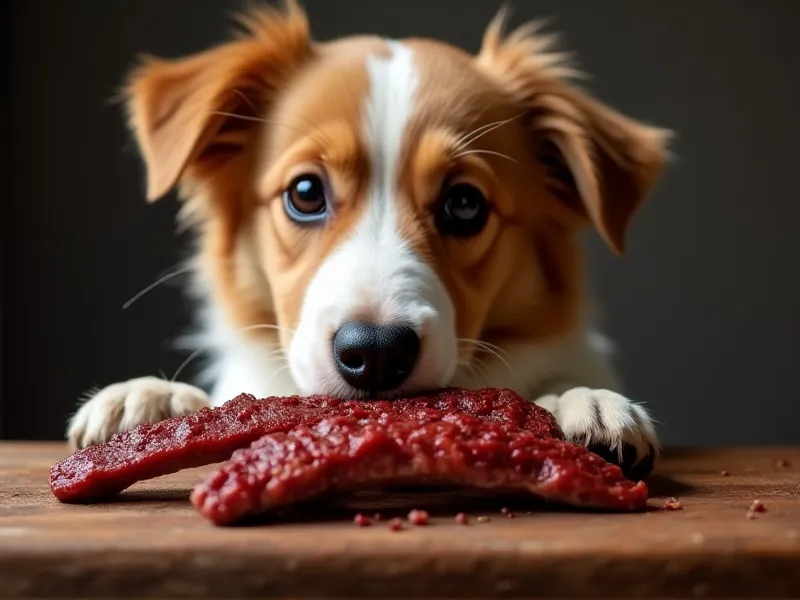
Table of Contents
- Can Dogs Eat Beef Ribs? The Short Answer
- The Benefits of Beef Ribs for Dogs (Yes, There Are Some!)
- The Risks You Can’t Ignore: Why Caution is Key
- Safe Feeding Guidelines: How Much (and How) to Offer
- Healthier Alternatives to Beef Ribs
- FAQ: Your Top Questions Answered
- Conclusion: Moderation is Key
Can Dogs Eat Beef Ribs? The Short Answer
Yes, dogs can eat small amounts of cooked, unseasoned, meaty beef ribs—but with strict conditions. The key here is meaty and cooked (but not overcooked to make bones brittle), and you must avoid the bones themselves as much as possible.
However, “can” doesn’t mean “should” on a regular basis. Beef ribs come with significant risks, especially from bones, seasoning, and high fat content. To keep your pup safe, you’ll need to be selective about the type of ribs, how they’re prepared, and how much you share.
The Benefits of Beef Ribs for Dogs (Yes, There Are Some!)
Before we dive into the risks, let’s talk about why you might be tempted to share that rib in the first place. When prepared safely, the meat on beef ribs can offer some nutritional perks for your dog:
1. High-Quality Protein
Beef is a fantastic source of animal-based protein, which is essential for dogs. Protein supports muscle growth and repair, healthy skin and coat, and a strong immune system. A 3-ounce serving of cooked beef (the amount you might find on a small rib) contains about 22 grams of protein—nearly half the daily requirement for a 30-pound dog (depending on activity level).
2. Essential Nutrients
The meat on beef ribs is rich in vitamins and minerals that dogs need, including:
- Iron: Helps produce red blood cells, which carry oxygen throughout the body. Iron deficiency can lead to fatigue and weakness.
- Zinc: Supports immune function, wound healing, and healthy skin.
- B Vitamins (B12, B6): B12 aids in nerve function and energy metabolism, while B6 helps produce serotonin (the “happy hormone”) and red blood cells.
- Selenium: An antioxidant that protects cells from damage and supports thyroid health.
3. Mental and Dental Benefits (From Chewing!)
Dogs are natural chewers—it’s how they explore the world and keep their jaws strong. Gnawing on a meaty rib (under supervision) can satisfy their instinct to chew, reducing boredom and destructive behavior. Plus, the act of chewing may help scrape away plaque from their teeth (though this is no substitute for regular brushing!).
4. A Tasty, Novel Treat
Let’s be real: Dogs love meat, and ribs are tasty. Sharing a small, safe piece can strengthen the bond between you and your pup, making them feel like part of the family during cookouts or meals.
The Risks You Can’t Ignore: Why Caution is Key
Now, the not-so-fun part: the risks. Even with those benefits, beef ribs pose several dangers that pet parents need to take seriously. Here’s what to watch out for:
1. Cooked Bones: A Choking and Blockage Hazard
The biggest risk of beef ribs (or any ribs) is the bone. Cooked bones—including beef rib bones—are far more dangerous than raw bones. When cooked, bones become dry, brittle, and prone to splintering. These sharp fragments can:
- Choke your dog: If a bone piece gets stuck in their throat, it can block airflow, leading to a life-threatening emergency.
- Tear the digestive tract: Splinters can pierce the esophagus, stomach, or intestines, causing internal bleeding or infection.
- Cause intestinal blockages: Even small bone fragments can clump together, blocking the intestines and requiring surgery to remove.
According to the American Kennel Club (AKC), cooked bones are one of the most common causes of gastrointestinal emergencies in dogs. Even large dogs with strong jaws aren’t immune—bones can splinter unexpectedly, no matter how careful your pup is.
2. High Fat Content: A Recipe for Pancreatitis
Ribs are often fatty, especially spare ribs or ribs with thick layers of fat. While a little fat is part of a balanced diet for dogs, excess fat can trigger pancreatitis—an inflammation of the pancreas. Symptoms include vomiting, diarrhea, abdominal pain, lethargy, and loss of appetite. Severe cases can be fatal.
Dogs with a history of pancreatitis, obesity, or diabetes are especially at risk. Even healthy dogs can develop pancreatitis from a single high-fat meal, so fatty ribs are best avoided.
3. Seasoning: Hidden Toxins
Most ribs we eat are seasoned with sauces, spices, or marinades—think garlic, onion, salt, pepper, BBQ sauce, or paprika. Many of these ingredients are toxic to dogs:
- Garlic and onion: Both belong to the allium family and can damage a dog’s red blood cells, leading to anemia. Even small amounts (like those in a marinade) can be harmful over time.
- Salt: Excess salt causes dehydration, electrolyte imbalances, and in severe cases, sodium ion poisoning (symptoms: vomiting, diarrhea, seizures, kidney failure).
- Sugar: BBQ sauce is loaded with sugar, which contributes to obesity, dental decay, and diabetes in dogs.
Unseasoned ribs are the only safe option, but let’s be honest—most ribs we cook aren’t plain!
4. Bacterial Contamination (If Undercooked)
While we’re on the topic of preparation: Undercooked beef can harbor bacteria like Salmonella or E. coli, which can make both you and your dog sick. Always ensure ribs are cooked to a safe internal temperature (145°F for beef, per the USDA) to kill harmful pathogens.
Safe Feeding Guidelines: How Much (and How) to Offer
If you still want to share a small piece of rib with your dog, follow these strict guidelines to minimize risk:
1. Choose the Right Ribs
- Opt for large, meaty beef ribs: Avoid small ribs (like baby back ribs) or pork ribs, which have smaller, more brittle bones. Beef short ribs or beef back ribs are larger and meatier, making it easier to remove the bone first (more on that below).
- No seasoning, marinades, or sauces: Only plain, unseasoned ribs cooked with water or minimal oil (no butter, garlic, etc.).
- Trim excess fat: Cut off any thick fat deposits to reduce the risk of pancreatitis.
2. Remove the Bone (Yes, All of It)
The safest way to share ribs is to remove the meat from the bone first. Use a knife to cut the meat into small, bite-sized pieces, discarding the bone entirely. This way, your dog gets the protein and flavor without the bone risk.
3. Limit Portion Size
Treat ribs as an occasional snack, not a meal. A general rule: Treats should make up no more than 10% of your dog’s daily calories. For example:
- Small dogs (under 20 lbs): 1–2 small pieces (about the size of a dime).
- Medium dogs (20–50 lbs): 3–4 pieces (about the size of a quarter).
- Large dogs (50+ lbs): 5–6 pieces (no larger than a ping-pong ball).
Overfeeding can lead to obesity or stomach upset, even with plain meat.
4. Supervise Closely
Never leave your dog unsupervised with a rib bone or meaty rib. Even if you’ve removed most of the bone, they might find a small fragment and try to swallow it. Watch for choking signs (gagging, pawing at the mouth, difficulty breathing) and intervene immediately if needed.
5. Introduce Slowly
If your dog has never had beef before, start with a tiny piece to check for allergies or digestive upset. Symptoms like itching, diarrhea, or vomiting mean they may be sensitive to beef, and you should avoid future servings.
Healthier Alternatives to Beef Ribs
If the risks of ribs feel too high (we don’t blame you!), there are plenty of safer, equally tasty alternatives your dog will love:
1. Boneless Cooked Beef
Skip the ribs entirely and offer small pieces of cooked, unseasoned beef (like sirloin or ground beef). It’s high in protein, easy to digest, and bone-free.
2. Dental Chews
For dogs who love to chew, opt for vet-approved dental chews (like Greenies or Pedigree Dentastix) or natural chews like:
- Bully sticks: Made from dried bull pizzle, these are high in protein and long-lasting (but supervise to prevent choking on small pieces).
- Antlers or Himalayan chews: Hard, natural chews that help clean teeth and satisfy chewing instincts (avoid for aggressive chewers, as they can crack teeth).
- Rawhide-free chews: Look for options made from sweet potatoes, chicken, or salmon.
3. Frozen Treats
Blend cooked beef (without seasoning) with plain yogurt or pumpkin puree, freeze in ice cube trays, and serve as a cool summer snack.
4. Fresh Fruits and Veggies
For a low-calorie alternative, try dog-safe fruits and veggies like carrots, apples (no seeds), blueberries, or green beans. They’re crunchy, satisfying, and packed with vitamins.
FAQ: Your Top Questions Answered
Q: Can dogs eat beef rib bones?
A: No. Cooked beef rib bones are brittle and splinter easily, posing choking, blockage, or internal injury risks. Even large bones can break into sharp fragments. Always remove bones before feeding.
Q: What about raw beef ribs? Are those safer?
A: Raw bones are softer than cooked bones, so some raw-feeders offer them. However, raw ribs still carry risks: bacterial contamination (Salmonella, E. coli), and even raw bones can cause blockages if swallowed whole. Consult your vet before starting a raw diet, as it’s not right for all dogs (e.g., puppies, immunocompromised dogs).
Q: Can puppies eat beef ribs?
A: Puppies have smaller digestive systems and are more curious, making them more likely to choke on bones or overeat fatty foods. It’s best to avoid ribs entirely for puppies, sticking to puppy-safe treats instead.
Q: My dog stole a beef rib bone! What should I do?
A: Stay calm. If your dog is choking (gagging, pawing at mouth, struggling to breathe), perform the Heimlich maneuver for dogs and call your vet immediately. If they swallowed the bone, monitor for symptoms like vomiting, diarrhea, lethargy, or loss of appetite over the next 24–48 hours. Contact your vet if any symptoms appear—don’t wait for signs of blockage (which can be life-threatening).
Q: Are there any ribs that are never safe for dogs?
A: Yes:
- Pork ribs (small bones, high fat)
- Lamb ribs (small, brittle bones)
- Seasoned ribs (garlic, onion, salt, sugar)
- Smoked ribs (high sodium)
- Baby back ribs (small bones)
Conclusion: Moderation is Key
At the end of the day, sharing a small piece of plain, boneless beef rib meat with your dog is unlikely to harm them—but it’s not worth the risk of bones, seasoning, or fat. When in doubt, opt for safer alternatives like boneless beef, dental chews, or fresh veggies.
Every dog is different, so always consult your vet before introducing new foods, especially if your pup has health issues (e.g., pancreatitis, allergies, or a sensitive stomach). Your vet can help you decide if ribs (or any human food) fit into your dog’s diet.
Remember: The best treats are those that keep your dog happy and healthy. A little love (and a safe snack) goes a long way!
Sources: