· 7 min read
Can Dogs Eat Beef Ribeye Bones? A Pet Parent’s Guide to Safety & Alternatives
It’s dinner time, and you’re savoring a juicy beef ribeye. The meat is tender, the aroma mouthwatering—and beside you, your dog sits, tail thumping, eyes locked on that meaty bone. “Just a little taste,” you think. “Surely a bone can’t hurt, right?”
If you’ve ever paused mid-bite to wonder whether sharing your ribeye bone with your pup is safe, you’re not alone. Many pet parents want to spoil their dogs with “human food” treats, but when it comes to bones, the stakes are high. In this guide, we’ll break down whether beef ribeye bones are a safe snack, the potential risks (and few benefits), and what to offer instead to keep your dog happy and healthy.
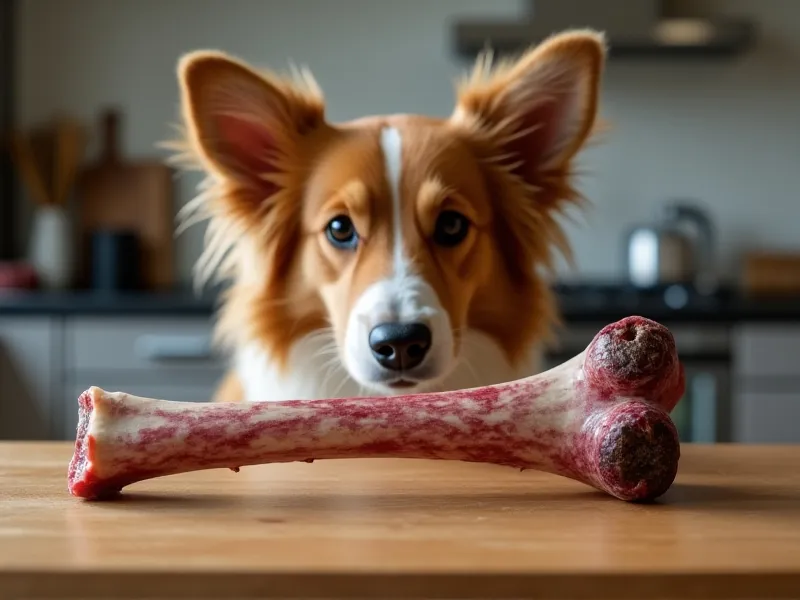
Table of Contents
- Can Dogs Eat Beef Ribeye Bones? The Short Answer
- The “Benefits” of Beef Ribeye (Spoiler: It’s the Meat, Not the Bone)
- The Hidden Dangers: Why Ribeye Bones Are Risky for Dogs
- If You Still Want to Share: Guidelines for Minimal Risk (If Any)
- Healthier Alternatives to Ribeye Bones for Your Pup
- Frequently Asked Questions (FAQ)
- Conclusion: Prioritizing Your Dog’s Safety
- References
Can Dogs Eat Beef Ribeye Bones? The Short Answer
No, beef ribeye bones are not safe for dogs. While the meat from a ribeye steak can be a tasty, protein-rich treat (in moderation), the bone itself poses serious risks to your dog’s health. Whether cooked or raw, ribeye bones are hard, dense, and prone to splintering—making them a choking hazard or a threat to your dog’s digestive tract.
The “Benefits” of Beef Ribeye (Spoiler: It’s the Meat, Not the Bone)
Before diving into the risks, let’s clarify: If you’re considering sharing ribeye with your dog, the meat (without the bone) can offer some nutritional perks. Lean cuts of beef (like the meat from ribeye, trimmed of excess fat) are packed with:
- Protein: Essential for muscle growth, repair, and energy.
- Iron: Supports healthy red blood cells and oxygen transport.
- Zinc: Boosts immune function and skin health.
- B Vitamins (B12, niacin): Aid in metabolism and brain health.
However, the bone itself? Its “benefits” are minimal and far outweighed by the dangers. Some people claim bones provide calcium or phosphorus, but dogs get these nutrients from balanced commercial dog food. There’s no need to risk their safety for a nutrient they’re already getting.
The Hidden Dangers: Why Ribeye Bones Are Risky for Dogs
Ribeye bones are particularly problematic because they’re large, dense, and often cooked (which makes them even more dangerous). Here’s why they’re a no-go:
1. Choking Hazard
Dogs love to gnaw, and a ribeye bone is hard enough to crack into small, sharp pieces. These fragments can get lodged in your dog’s throat, blocking their airway. Signs of choking include pawing at the mouth, gagging, difficulty breathing, or blue-tinged gums. This is a life-threatening emergency.
2. Splintering and Internal Injury
Cooked bones (like the ones from your dinner plate) are brittle. When chewed, they can shatter into sharp shards that tear through your dog’s mouth, throat, esophagus, or intestines. These injuries can cause bleeding, infection, or even perforation of the digestive tract—requiring surgery to fix.
Raw bones are slightly less brittle, but they’re not safe either. Even raw ribeye bones can splinter, especially if your dog is a aggressive chewer. The American Veterinary Medical Association (AVMA) warns that raw bones “pose the same threats as cooked bones” (AVMA, 2023).
3. Intestinal Blockage
If your dog swallows a large chunk of bone (or even small pieces), it can get stuck in their stomach or intestines. Blockages prevent food and waste from passing, leading to vomiting, diarrhea, lethargy, or loss of appetite. Left untreated, this can be fatal.
4. Pancreatitis and Digestive Upset
Ribeye is a fatty cut of meat, and bones often have bits of fat clinging to them. Feeding high-fat foods can trigger pancreatitis in dogs—a painful, potentially deadly condition where the pancreas becomes inflamed. Symptoms include vomiting, abdominal pain, and weakness. Even if pancreatitis doesn’t develop, fatty bones can cause diarrhea or stomach upset.
5. Dental Damage
Hard bones can crack or chip your dog’s teeth. Broken teeth are not only painful but can lead to infections in the gums or roots, requiring expensive dental work (like extractions).
If You Still Want to Share: Guidelines for Minimal Risk (If Any)
We strongly advise against giving your dog ribeye bones. But if you must share a small part of your meal, follow these rules to minimize risk:
- Only feed the meat, not the bone: Trim all meat from the bone and discard the bone immediately. The meat should be lean (no excess fat) and plain (no salt, garlic, or seasonings—these are toxic to dogs).
- Limit portion size: A bite or two is enough. A large amount of beef can upset their stomach.
- Avoid cooked meat with bones: Never give your dog a cooked ribeye bone, even if it’s “only a little.”
- Supervise closely: If you do share meat, watch your dog to ensure they don’t sneak the bone.
Healthier Alternatives to Ribeye Bones for Your Pup
Dogs love to chew—it’s natural! Instead of risky bones, offer these safe, satisfying alternatives:
1. Raw Carrots or Celery
Crunchy, low-calorie, and full of fiber, carrots and celery are great for dogs who love to gnaw. They’re gentle on teeth and help clean plaque.
2. Frozen Sweet Potato Slices
Frozen sweet potatoes are a cooling, chewy treat (perfect for summer!). They’re rich in vitamins A and C, and their texture satisfies the urge to chew.
3. Dental Chews (VOHC-Approved)
Look for dental chews certified by the Veterinary Oral Health Council (VOHC), like Greenies or Purina DentaLife. These are designed to clean teeth and are digestible.
4. Kong Toys Stuffed with Treats
Fill a Kong with peanut butter (no xylitol!), plain yogurt, or canned pumpkin. Freeze it for a long-lasting, engaging chew that’s safe for teeth.
5. Bully Sticks (Natural, Single-Ingredient)
Bully sticks are made from dried bull pizzles—they’re high in protein and long-lasting. Choose “odor-free” options if you’re sensitive to smells, and supervise to prevent choking on small pieces.
Frequently Asked Questions (FAQ)
Q: Can puppies eat ribeye bones?
A: No. Puppies have smaller airways and developing teeth, making them more prone to choking or dental damage. Their digestive systems are also more sensitive to fat and foreign objects.
Q: My dog stole a ribeye bone! What should I do?
A: Stay calm. If your dog is choking (gagging, pawing at mouth), perform the Heimlich maneuver for dogs (ASPCA, 2023). If they swallowed the bone, monitor for symptoms like vomiting, diarrhea, or lethargy. Call your vet immediately—do NOT induce vomiting unless instructed.
Q: Are raw bones safer than cooked bones?
A: Raw bones are less brittle, but they’re still risky. They can splinter, carry bacteria (like salmonella), or cause blockages. The AVMA and ASPCA both recommend avoiding raw bones (AVMA, 2023; ASPCA, 2023).
Q: What if my dog has eaten bones before and been fine?
A: Luck doesn’t equal safety. Some dogs may chew bones without issue, but others aren’t so lucky. One bad experience (like a blockage or splinter) can be life-changing.
Conclusion: Prioritizing Your Dog’s Safety
It’s hard to resist those puppy eyes begging for a bone, but when it comes to beef ribeye bones, the risks far outweigh any “benefits.” The meat is okay in moderation (lean, unseasoned), but the bone itself is a hazard.
Instead, opt for safe chews like carrots, dental treats, or Kong toys. And when in doubt, consult your vet—they know your dog’s health history and can recommend personalized treats.
Your pup’s happiness is important, but their safety is non-negotiable. Skip the bone, and keep those tail wags (and teeth!) healthy for years to come.
References
- American Society for the Prevention of Cruelty to Animals (ASPCA). (2023). People Foods to Avoid Feeding Your Pets. https://www.aspca.org/pet-care/animal-poison-control/people-foods-avoid-feeding-your-pets
- American Veterinary Medical Association (AVMA). (2023). Raw Bones and Raw Food: What You Need to Know. https://www.avma.org/resources/pet-owners/petcare/raw-bones-and-raw-food-what-you-need-know
- Veterinary Oral Health Council (VOHC). (2023). VOHC-Approved Products. https://vohc.org/