· 10 min read
Can Dogs Eat Cooked Beef Rib Bones? The Pet Parent’s Guide to Safety & Alternatives
It’s a familiar scene: You’re gathered around the dinner table, enjoying a hearty meal of slow-cooked beef ribs. The meat falls off the bone, and your dog—let’s call her Bella—sits at your feet, tail thumping a rapid rhythm against the floor. Her big, soulful eyes lock onto the gnawed rib bone on your plate, and you can almost hear her thinking, “Please? Just a tiny taste?”
As pet parents, we want to share the good things in life with our furry companions. But when it comes to cooked beef rib bones, that “little treat” might come with big risks. Are these bones safe for dogs? Could they actually be beneficial? And what if Bella already snuck one off the counter?
In this guide, we’ll break down everything you need to know about cooked beef rib bones and your dog—from the science behind why they’re risky to safer alternatives that’ll keep tails wagging (and tummies happy). Let’s dig in.
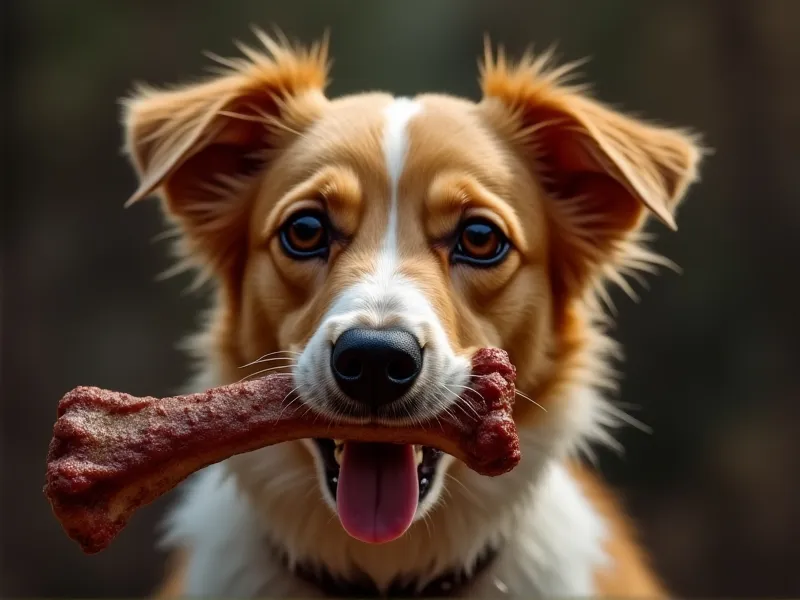
Table of Contents
- Can Dogs Eat Cooked Beef Rib Bones? The Short Answer
- What Are Cooked Beef Rib Bones, Anyway?
- Potential “Benefits” of Cooked Beef Rib Bones: Are They Worth It?
- The Risks: Why Cooked Bones Are a Hidden Hazard
- How Much Cooked Beef Rib Bone Is “Safe” for Dogs?
- Healthier Alternatives to Cooked Beef Rib Bones
- FAQ: Your Most Pressing Questions Answered
- What to Do If Your Dog Accidentally Eats a Cooked Beef Rib Bone
- Conclusion: Prioritizing Your Dog’s Safety
Can Dogs Eat Cooked Beef Rib Bones? The Short Answer
No. Cooked beef rib bones are not safe for dogs. While they might seem like a natural, tasty treat, cooking changes the structure of bones, making them brittle and prone to splintering. These sharp fragments can tear your dog’s mouth, throat, or intestines, leading to choking, internal bleeding, or life-threatening blockages. Even small pieces pose significant risks.
What Are Cooked Beef Rib Bones, Anyway?
Before we dive into the risks and benefits, let’s clarify what we’re talking about. Cooked beef rib bones are exactly what they sound like: the skeletal remains of a cow’s rib cage, leftover after the meat has been grilled, roasted, smoked, or boiled. They’re often coated in sauces (which may contain onions, garlic, or salt—all toxic to dogs) and are typically harder and drier than their raw counterparts.
You might find them on your dinner plate, in a leftover takeout container, or even in the trash (which, let’s be real, is a prime target for curious pups). But regardless of how they’re prepared, once cooked, these bones become a hazard.
Potential “Benefits” of Cooked Beef Rib Bones: Are They Worth It?
You might wonder, “If they’re so risky, why do people even consider giving them to dogs?” It’s true that bones—raw bones, in particular—can offer some nutritional perks. But cooked bones? Their “benefits” are minimal, if they exist at all, and they’re far outweighed by the dangers. Let’s break down the claims:
1. “Nutrients Like Protein and Minerals”
Raw bones are rich in nutrients: bone marrow contains healthy fats, iron, and vitamin B12; the bone itself has calcium, phosphorus, and collagen. But cooking destroys many of these nutrients. High heat breaks down collagen (a key protein for joint health) and reduces the bioavailability of minerals like calcium. What’s left is a nutrient-poor, brittle shell.
2. “Fiber for Digestion”
Some argue that the connective tissue or marrow in bones provides fiber. But fiber from cooked bones is negligible—and if the bone splinters, those sharp pieces can worsen digestion by irritating the gut lining or causing blockages. For fiber, your dog is better off with pumpkin, sweet potatoes, or green beans.
3. “Potassium for Electrolyte Balance”
Potassium is essential for heart and muscle function, but cooked bones are not a reliable source. In fact, most of the potassium in beef is in the meat, not the bone. A small piece of cooked rib meat (without the bone!) would be a safer way to get potassium, but even then, it’s not necessary if your dog eats a balanced diet.
The Verdict: Any “benefits” of cooked beef rib bones are minimal, nutrient-poor, and not worth the life-threatening risks.
The Risks: Why Cooked Bones Are a Hidden Hazard
Now, let’s get to the critical part: why cooked beef rib bones are so dangerous for dogs. The key issue? Cooking changes the bone’s structure. Raw bones are flexible and bendable; they break into large, dull pieces that are less likely to splinter. Cooked bones, however, lose moisture and become hard and brittle. When your dog chews them, they shatter into sharp, needle-like fragments. Here’s how that can harm your pup:
1. Choking or Blockage
Cooked rib bones are often small enough to get stuck in your dog’s throat, causing choking. Even if they swallow a piece, it can lodge in the esophagus (food pipe), stomach, or intestines. Intestinal blockages require emergency surgery and can be fatal if not treated quickly. Symptoms include vomiting, diarrhea, lethargy, loss of appetite, or straining to poop.
2. Internal Lacerations
Sharp bone fragments can tear the delicate tissues of the mouth, throat, esophagus, stomach, or intestines. This can lead to internal bleeding, infection, or peritonitis (a life-threatening inflammation of the abdominal lining). Dogs may show signs like drooling, pawing at their mouth, difficulty swallowing, or bloody stool.
3. Dental Fractures
Cooked bones are hard enough to crack or break your dog’s teeth. A fractured tooth is not only painful but can expose the nerve, leading to infection or abscesses. Dental work for dogs is costly and stressful—all avoidable by skipping the bone.
4. Pancreatitis from Fatty Marrow
Even if the bone itself doesn’t splinter, the fatty marrow inside cooked ribs can trigger pancreatitis. Pancreatitis is an inflammation of the pancreas, often caused by high-fat foods. Symptoms include severe abdominal pain, vomiting, diarrhea, and dehydration. It’s a serious condition that requires immediate veterinary care.
5. Toxic Additives (Sauces, Seasonings)
Most cooked ribs are slathered in sauces containing onions, garlic, salt, or xylitol (a sugar substitute). Onions and garlic are toxic to dogs, causing anemia (low red blood cells). Salt can lead to sodium ion poisoning, and xylitol causes a dangerous drop in blood sugar and liver failure. Even “plain” cooked ribs may have salt or spices that irritate your dog’s stomach.
How Much Cooked Beef Rib Bone Is “Safe” for Dogs?
None. There’s no “safe” amount of cooked beef rib bone for dogs. Even a tiny fragment can splinter and cause harm. Some pet parents think, “My dog has eaten cooked bones before and been fine!” But luck doesn’t equal safety. Each dog is different, and a single incident could lead to a vet emergency.
If you’re tempted to share, remember: It’s not worth risking your dog’s health for a momentary treat.
Healthier Alternatives to Cooked Beef Rib Bones
The good news? There are plenty of safe, tasty alternatives that let you treat your dog without the danger. Here are our top picks:
1. Raw Meaty Bones (Under Supervision)
Raw bones—like raw beef ribs (large, meaty ones), chicken necks, or turkey tails—are safer than cooked bones because they’re flexible and less likely to splinter. They provide nutrients, keep teeth clean, and satisfy chewing instincts. Important:
- Choose bones larger than your dog’s head to prevent choking.
- Avoid weight-bearing bones (like femurs), which are too hard and can crack teeth.
- Always supervise your dog while they chew.
- Discard bones once they’re small enough to swallow.
2. Dental Chews (VOHC-Approved)
Look for dental chews approved by the Veterinary Oral Health Council (VOHC), which meet safety and effectiveness standards for reducing plaque and tartar. Brands like Greenies, Virbac C.E.T., or Whimzees are great options.
3. Bully Sticks or Yak Chews
Bully sticks (dried bull pizzles) and yak chews are long-lasting, high in protein, and gentle on teeth. They’re digestible and satisfy even the most enthusiastic chewers.
4. Fresh Fruits and Veggies
Crunchy, low-calorie options like carrots, celery, cucumber, or apple slices (without seeds) make great snacks. They’re high in fiber, vitamins, and water—plus, they’re free of additives!
5. Kong Toys Stuffed with Treats
Fill a Kong with peanut butter (xylitol-free!), plain yogurt, or canned pumpkin for a mentally stimulating treat. Freeze it for extra longevity.
FAQ: Your Most Pressing Questions Answered
Q: Can puppies eat cooked beef rib bones?
A: No. Puppies have smaller, more delicate digestive systems and are more prone to choking. Their teeth are also still developing, making them more likely to crack a tooth on a hard bone.
Q: My dog already ate a cooked beef rib bone! What should I do?
A: Stay calm. Monitor your dog closely for 24–48 hours for symptoms like vomiting, diarrhea, lethargy, difficulty breathing, or bloody stool. If you notice any of these, contact your vet immediately. Even if your dog seems fine, it’s a good idea to call your vet—they may want to examine your pup or recommend an x-ray to check for blockages.
Q: Are raw beef rib bones safer than cooked ones?
A: Raw bones are generally safer, but they’re not risk-free. They can carry bacteria like Salmonella or E. coli (which can sicken both dogs and humans), and some dogs may still break teeth on hard raw bones. Always supervise and choose appropriate sizes.
Q: What about other cooked bones, like chicken or pork ribs?
A: All cooked bones are risky. Chicken and pork bones are smaller and more likely to splinter than beef ribs, making them even more dangerous. Avoid all cooked bones.
Q: My dog loves bones—how can I satisfy their chewing instinct safely?
A: Opt for the alternatives listed above! Raw meaty bones (supervised), dental chews, or bully sticks are all great ways to let your dog chew without the risk.
What to Do If Your Dog Accidentally Eats a Cooked Beef Rib Bone
If your dog snags a cooked rib bone before you can stop them, follow these steps:
- Don’t panic. Stress won’t help your dog, and most dogs will pass small fragments without issue—but you still need to be vigilant.
- Check for immediate choking. If your dog is gagging, pawing at their mouth, or struggling to breathe, perform the Heimlich maneuver for dogs (consult your vet for instructions) and call emergency services.
- Monitor for symptoms. Watch for vomiting, diarrhea, lethargy, loss of appetite, abdominal pain, or bloody stool over the next 24–48 hours.
- Call your vet. Even if your dog seems fine, inform your vet. They may want to examine your dog or recommend steps to prevent blockages (like feeding a bland diet to help move fragments through).
Conclusion: Prioritizing Your Dog’s Safety
At the end of the day, sharing a meal with your dog is about love—but love means keeping them safe. Cooked beef rib bones may seem like a harmless treat, but their risks far outweigh any minimal benefits. From choking to internal lacerations, the dangers are real and potentially fatal.
Instead, opt for safer alternatives like raw meaty bones (under supervision), dental chews, or fresh veggies. And when in doubt, always consult your vet—they know your dog’s health best and can recommend personalized treats.
Your pup’s tail will wag just as hard for a carrot stick or a stuffed Kong, and you’ll both rest easier knowing they’re safe. After all, the best treats are the ones that keep them happy and healthy.
References
- American Society for the Prevention of Cruelty to Animals (ASPCA). “People Foods to Avoid Feeding Your Pets.” aspca.org
- American Veterinary Medical Association (AVMA). “Feeding Your Dog: Bones, Raw Food, and More.” avma.org
- Cummings School of Veterinary Medicine at Tufts University. “Bones: Are They Safe for Dogs?” tuftscvm.org
- Veterinary Oral Health Council (VOHC). “Approved Products.” vohc.org