· 7 min read
Can Dogs Eat Beef Patties? A Pet Parent’s Guide to Safe Sharing
Picture this: It’s a warm summer evening, and you’re grilling up juicy beef patties for dinner. The aroma hits your dog’s nose, and suddenly, those big, soulful eyes are locked on you—accompanied by a gentle nudge of the paw. “Just a bite?” they seem to say. But before you cave, you pause: Can dogs eat beef patties?
If you’ve ever found yourself in this scenario, you’re not alone. Beef is a common ingredient in many dog foods, but store-bought or restaurant patties often come with a mix of seasonings, additives, and hidden ingredients that might not be safe for your pup. Let’s dive into the details to help you make informed choices about sharing this classic BBQ staple with your four-legged friend.
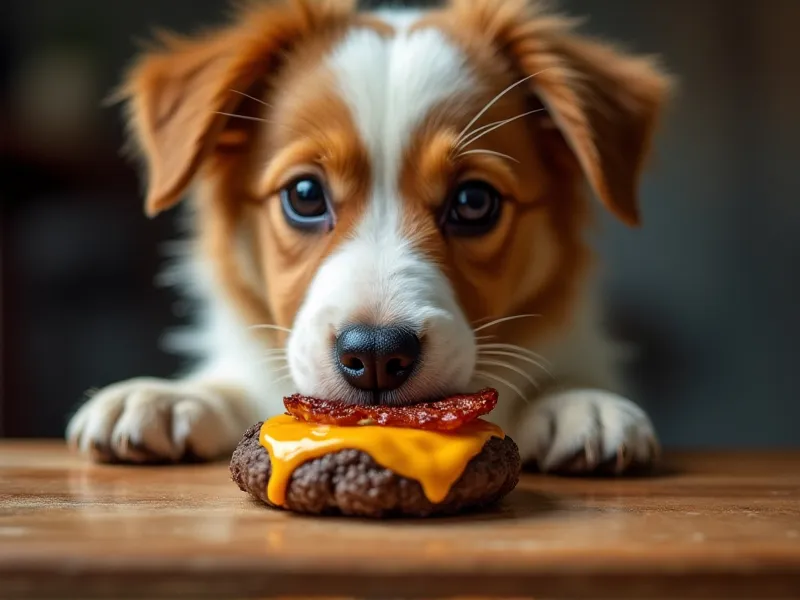
Table of Contents
- Can Dogs Eat Beef Patties? The Short Answer
- The Benefits of Beef for Dogs
- Risks of Feeding Beef Patties to Dogs
- How Much Beef Patty Can Dogs Safely Eat?
- Healthier Alternatives to Store-Bought Beef Patties
- FAQ: Your Top Questions Answered
- Conclusion: Enjoy Sharing (Responsibly!)
Can Dogs Eat Beef Patties? The Short Answer
Yes, but with big caveats. Plain, unseasoned, thoroughly cooked beef patties are generally safe for dogs in small, occasional amounts. However, most store-bought, restaurant, or even homemade patties (think: those loaded with garlic, salt, or cheese) can pose serious risks to your pup.
The key difference lies in the ingredients. Beef itself is packed with nutrients dogs need, but the additives, seasonings, and cooking methods often used in patties can turn a tasty treat into a health hazard. Let’s break it down.
The Benefits of Beef for Dogs
Before we get to the risks, let’s talk about why beef is a popular protein in dog food—and why your pup might be eyeing your patty in the first place. High-quality, unprocessed beef offers several nutritional perks:
1. High-Quality Protein
Beef is rich in complete protein, meaning it contains all the essential amino acids dogs need for muscle growth, tissue repair, and a healthy coat. Protein is especially important for active dogs, puppies, and senior dogs maintaining muscle mass.
2. Essential Nutrients
- Iron: Supports red blood cell function and prevents anemia.
- Zinc: Boosts immune health and aids in skin and coat maintenance.
- B Vitamins (B12, B6): Help convert food into energy and support brain function.
- Selenium: An antioxidant that protects cells from damage.
3. Taste Appeal
Let’s be real—most dogs love beef. Its savory flavor makes it a great occasional treat to reward good behavior or add variety to their diet (in moderation, of course!).
Risks of Feeding Beef Patties to Dogs
While plain beef is nutritious, beef patties (especially those made for humans) often come with hidden dangers. Here’s what to watch out for:
1. Toxic Seasonings & Additives
Many patties include ingredients that are toxic to dogs, such as:
- Onions/Garlic: These contain N-propyl disulfide, which damages dogs’ red blood cells and can lead to anemia. Even small amounts (like a sprinkle of onion powder) are risky.
- Salt: Excess sodium causes dehydration, electrolyte imbalances, or even salt poisoning (symptoms: vomiting, diarrhea, seizures).
- Xylitol: A sugar substitute sometimes found in “low-sodium” or “diet” patties—deadly to dogs, even in tiny doses (causes rapid insulin release and liver failure).
- Spices: Paprika, chili powder, or black pepper can irritate your dog’s stomach, leading to vomiting or diarrhea.
2. High Fat Content
Most beef patties (especially fast-food or grilled versions) are high in fat. Dogs can’t digest large amounts of fat well, which can trigger:
- Pancreatitis: A painful, potentially life-threatening inflammation of the pancreas. Symptoms include vomiting, lethargy, and loss of appetite.
- Gastrointestinal Upset: Diarrhea, gas, or stomach pain.
3. Choking Hazards
Large chunks of patty (or patties with tough gristle) can get stuck in your dog’s throat, especially for small breeds or dogs who gulp food. Always cut patties into bite-sized pieces to reduce risk.
4. Processed Ingredients
Store-bought frozen patties or fast-food versions often contain preservatives (like nitrates), artificial flavors, or fillers (e.g., breadcrumbs with added sugar). These add empty calories and no nutritional value.
How Much Beef Patty Can Dogs Safely Eat?
If you’ve got a plain, unseasoned, fully cooked beef patty (no onions, garlic, salt, or spices), here’s how to share it safely:
1. Occasional Treats Only
Beef patties should never replace your dog’s regular, balanced diet. Treats (including patties) should make up no more than 10% of their daily calorie intake. For reference:
- A small dog (10–20 lbs): 1–2 tiny bites (about the size of a quarter).
- A medium dog (30–50 lbs): 1–2 tablespoons (chopped into pieces).
- A large dog (60+ lbs): Up to ¼ of a small patty (still chopped!).
2. Cook Thoroughly
Raw or undercooked beef carries risks of E. coli, salmonella, or parasites (like trichinella). Always cook patties to an internal temperature of 160°F (71°C) to kill harmful bacteria.
3. Skip the Extras
No bun, no cheese, no ketchup (high sugar!), and no fries. Stick to the plain patty only.
4. Watch for Reactions
After feeding a small piece, monitor your dog for 24 hours. Signs of trouble include vomiting, diarrhea, lethargy, or excessive thirst. If you notice any, contact your vet.
Healthier Alternatives to Store-Bought Beef Patties
If you want to share the beefy goodness without the risks, try these safer options:
1. Homemade Plain Beef Patties
Whip up a batch of dog-friendly patties using:
- 90%+ lean ground beef (less fat = lower pancreatitis risk).
- No salt, spices, or additives.
- Cook thoroughly in a pan (no oil!) or bake in the oven.
Chop into small pieces and store in the fridge for up to 3 days, or freeze for later.
2. Plain Cooked Ground Beef
Skip the patty shape altogether! Cook lean ground beef (drained of excess fat) and mix a spoonful into your dog’s kibble as a special topper. Add a dash of cooked veggies (like carrots or green beans) for extra fiber.
3. Beef Jerky (Dog-Safe Version)
Dehydrate thin slices of cooked, unseasoned beef for a chewy, protein-packed snack. Avoid store-bought jerky, which often has salt or garlic.
FAQ: Your Top Questions Answered
Q: Can dogs eat raw beef patties?
A: No. Raw beef (even “human-grade”) can contain bacteria like salmonella or E. coli, which cause food poisoning in dogs (and humans!). Always cook beef thoroughly.
Q: My dog stole a beef patty with onions—what should I do?
A: Contact your vet immediately. Onions and garlic are toxic, and symptoms (anemia, weakness) can take 2–5 days to appear. Early treatment (like inducing vomiting or IV fluids) is critical.
Q: Are frozen beef patties safer than fresh ones?
A: No—frozen patties often have the same risky additives (onions, salt) as fresh. Always check the ingredient list for “onion powder,” “garlic extract,” or high sodium.
Q: Can puppies eat beef patties?
A: Puppies can have small amounts of plain, cooked beef, but their tummies are more sensitive. Stick to 1–2 tiny bites, and avoid high-fat patties (pancreatitis is more dangerous for young dogs).
Q: Is it okay to feed my dog a beef patty every day?
A: No. Daily patties would overload your dog’s diet with fat, salt, and unbalanced nutrients, leading to obesity or chronic issues. Save it for special occasions!
Conclusion: Enjoy Sharing (Responsibly!)
So, can dogs eat beef patties? Yes—if they’re plain, cooked, and served in tiny, occasional portions. The key is avoiding seasoned, processed, or high-fat versions that hide toxic ingredients.
At the end of the day, your dog’s health is top priority. When in doubt, skip the store-bought patty and opt for a homemade, unseasoned alternative. And if you ever have questions about a specific ingredient or your dog’s reaction, don’t hesitate to call your vet—they’re your best resource for keeping your pup happy and healthy.
Now, go fire up the grill (for you)—and maybe sneak your dog a tiny, plain bite. Just don’t tell them we said it was okay. 😉
References
- American Kennel Club (AKC). “Human Foods Dogs Can and Can’t Eat.” akc.org
- ASPCA Animal Poison Control. “Onions, Garlic, Chives.” aspca.org
- VCA Hospitals. “Pancreatitis in Dogs.” vcahospitals.com
- PetMD. “Beef for Dogs: Benefits, Risks, and Serving Tips.” petmd.com