· 8 min read
Can Dogs Eat Beef Liver Raw? Benefits, Risks & Safe Feeding Guide
Picture this: You’re trimming beef liver for tonight’s dinner, and your dog—tail thumping, nose twitching—stares up at you with that “please, just a bite!” look. You’ve heard liver is a “superfood” for pets, packed with vitamins and minerals. But raw? Is it safe? Can dogs eat beef liver raw, or is cooking a must?
If you’re a pet parent asking these questions, you’re not alone. Liver is a staple in many raw feeding diets (like BARF or prey-model diets), but it’s also sparked debates among vets and dog owners about safety. In this post, we’ll cut through the confusion: we’ll explore the benefits of raw beef liver for dogs, the risks you need to watch for, how much to feed, and even healthier alternatives. By the end, you’ll have all the info to decide if raw liver has a place in your pup’s bowl—safely.
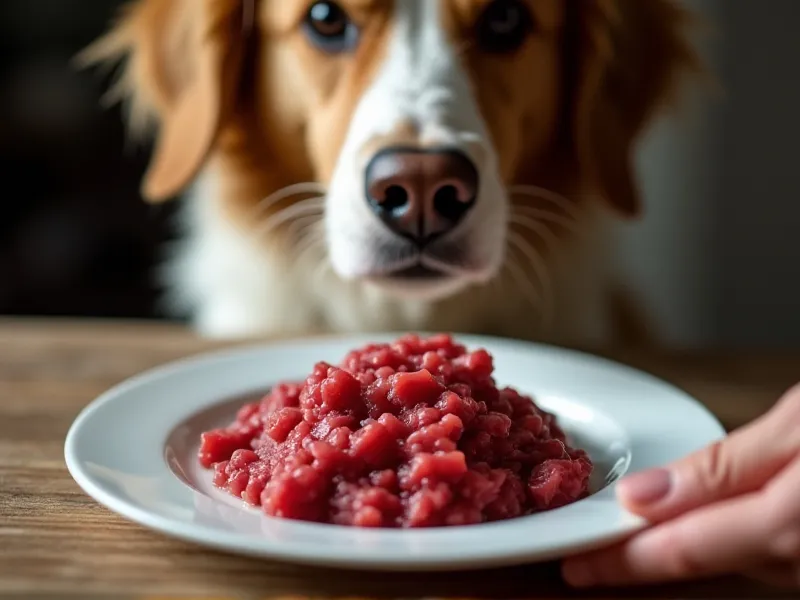
Table of Contents
- The Short Answer: Can Dogs Eat Raw Beef Liver?
- The Benefits of Raw Beef Liver for Dogs
- The Risks: Why Raw Liver Isn’t Always Safe
- How Much Raw Beef Liver Can Dogs Eat? (Portion Guidelines)
- Healthier Alternatives to Raw Beef Liver
- FAQ: Your Raw Liver Questions Answered
- Conclusion: Moderation & Vet Guidance Are Key
The Short Answer: Can Dogs Eat Raw Beef Liver?
Yes, dogs can eat raw beef liver—but it comes with significant caveats. Liver is nutrient-dense and often loved by dogs, but raw meat carries risks like bacterial contamination (think Salmonella or E. coli) and potential vitamin A toxicity if overfed. For most pet parents, cooked liver is a safer bet, but if you choose raw, strict portion control and safety measures are non-negotiable.
The Benefits of Raw Beef Liver for Dogs
Liver is often called “nature’s multivitamin,” and for good reason. When fed in moderation, raw beef liver offers a powerhouse of nutrients that support your dog’s health:
1. Vitamin A: For Vision, Immunity & Skin
Liver is loaded with vitamin A (in the form of retinol), a fat-soluble vitamin critical for:
- Healthy eyesight (prevents night blindness and supports corneal health).
- A strong immune system (fights infections).
- Skin and coat health (reduces dryness and flakiness).
Fun fact: A 3-ounce serving of beef liver contains over 10,000 IU of vitamin A—more than 200% of a dog’s daily requirement (depending on size).
2. B Vitamins: Energy & Brain Health
Liver is rich in B-complex vitamins, including:
- B12: Essential for red blood cell formation, nerve function, and energy metabolism (prevents fatigue).
- Folate (B9): Supports cell growth and fetal development (important for pregnant dogs).
- Riboflavin (B2) & Niacin (B3): Boost skin health and energy production.
Dogs can’t synthesize B12 on their own, so liver is a natural, tasty way to meet their needs.
3. Minerals: Iron, Zinc & More
Liver is a mineral jackpot:
- Iron: Prevents anemia by supporting hemoglobin production (carries oxygen in blood).
- Zinc: Boosts immune function, wound healing, and thyroid health.
- Copper: Aids in red blood cell formation and collagen production (healthy joints).
- Potassium: Regulates heart rate and muscle function.
4. Palatability: A “Win” for Picky Eaters
Let’s be real: Some dogs turn their noses up at veggies or supplements. Liver? Most dogs go crazy for it. Its strong, meaty flavor makes it a great way to sneak nutrients into fussy eaters’ diets.
5. Natural & Unprocessed
Unlike synthetic supplements, raw liver offers nutrients in their natural form, which are often easier for dogs to absorb. For pet parents who prefer minimally processed foods, liver is a whole-food option.
The Risks: Why Raw Liver Isn’t Always Safe
While liver has perks, raw feeding comes with non-negotiable risks. Here’s what to watch for:
1. Bacterial Contamination (Salmonella, E. coli, etc.)
Raw meat—including liver—can harbor harmful bacteria like Salmonella, E. coli, or Listeria. These pathogens can make your dog sick (symptoms: diarrhea, vomiting, fever) and spread to humans (zoonotic risk), especially kids, the elderly, or immunocompromised individuals.
The CDC warns that raw pet food is a “high-risk” product for bacterial contamination, and the FDA has recalled raw pet foods linked to Salmonella outbreaks.
2. Vitamin A Toxicity (Hypervitaminosis A)
Vitamin A is essential, but too much is dangerous. Since liver is so rich in vitamin A, overfeeding can lead to hypervitaminosis A—a condition where vitamin A builds up in the liver and bones over time. Symptoms include:
- Joint pain or stiffness (from bone spurs).
- Loss of appetite, weight loss, or lethargy.
- Dry, flaky skin or hair loss.
- In severe cases, organ damage.
This is not a risk from occasional treats, but from daily or excessive feeding. Small dogs are especially vulnerable (e.g., a Chihuahua eating a large liver portion could hit toxic levels quickly).
3. Digestive Upset
Raw liver is high in protein and fat (moderately, but still). If your dog isn’t used to raw foods, it could cause stomach upset: diarrhea, gas, or vomiting—especially if introduced too quickly or in large amounts.
4. Choking or Blockage
Large chunks of raw liver can pose a choking hazard, especially for small dogs. Even if swallowed, they might cause intestinal blockages if not cut into bite-sized pieces.
How Much Raw Beef Liver Can Dogs Eat? (Portion Guidelines)
The golden rule: Liver should be a treat, not a meal. Aim for 5-10% of your dog’s weekly food intake (or less!) to avoid vitamin A toxicity and balance their diet.
Here’s a rough guide by dog size:
| Dog Size | Weight | Raw Liver Portion (Per Serving) | Frequency |
|---|---|---|---|
| Small | 10–20 lbs | 1–2 teaspoons | 2–3x/week |
| Medium | 30–50 lbs | 1–2 tablespoons | 2–3x/week |
| Large | 60–90 lbs | 2–3 tablespoons | 2–3x/week |
| Giant | 100+ lbs | 3–4 tablespoons | 2–3x/week |
Pro tips:
- Introduce slowly: Start with a tiny portion (e.g., 1 teaspoon for a medium dog) and watch for digestive upset.
- Avoid daily feeding: Vitamin A builds up over time—stick to 2–3 times weekly max.
- Pair with balanced food: Liver shouldn’t replace a complete diet. Mix with kibble, veggies, or other proteins to ensure your dog gets all nutrients.
Healthier Alternatives to Raw Beef Liver
If raw liver feels risky, these options let your dog enjoy liver’s benefits without the bacteria or toxicity concerns:
1. Cooked Beef Liver
Cooking liver (steaming, boiling, or baking—never frying with oil/seasoning) kills harmful bacteria while retaining most nutrients. Boil liver in water for 10–15 minutes until fully cooked (no pink), then chop into small pieces. It’s safer for you and your dog!
2. Other Organ Meats (in Moderation)
Chicken, turkey, or pork liver are lower in vitamin A than beef liver (e.g., chicken liver has ~6,500 IU vitamin A per 3oz vs. beef’s 10,000+ IU). They’re still nutrient-dense but slightly gentler on the vitamin A front.
3. Freeze-Dried Liver Treats
Freeze-dried liver (sold at pet stores) is raw liver that’s dehydrated, reducing bacterial risk. It’s lightweight, shelf-stable, and makes a great training treat—just check the label for added sugars or preservatives.
4. Commercial Dog Food with Liver
Many high-quality kibbles or wet foods include liver as an ingredient (e.g., “chicken liver formula”). These are balanced by nutritionists, so you avoid overfeeding vitamin A or missing other nutrients.
5. Liver Supplements
If your dog needs a nutrient boost but won’t eat liver, ask your vet about liver-based supplements (e.g., powdered liver extract). These are portion-controlled and low-risk.
FAQ: Your Raw Liver Questions Answered
Q: Can puppies eat raw beef liver?
A: Puppies have sensitive tummies and developing immune systems, so raw liver is riskier. If you want to feed liver, opt for cooked liver in tiny portions (e.g., ¼ teaspoon for a 8-week-old puppy) and only occasionally. Consult your vet first—puppies need precise nutrition for growth.
Q: Can dogs with health issues (e.g., pancreatitis, kidney disease) eat raw liver?
A: Probably not. Liver is moderate in fat (about 3–5% fat), which can trigger pancreatitis. For dogs with kidney disease, high protein (liver is ~20% protein) may strain the kidneys. Always ask your vet before adding liver to a special diet.
Q: How do I safely handle raw liver to avoid bacteria?
A: If you feed raw:
- Wash hands, utensils, and surfaces thoroughly after handling.
- Store liver in the fridge (3–4 days) or freeze (up to 6 months).
- Thaw frozen liver in the fridge, not on the counter.
- Keep raw liver away from human food to avoid cross-contamination.
Q: Is raw liver better than cooked for dogs?
A: Raw liver has slightly more nutrients (e.g., heat can break down some B vitamins), but the risk of bacteria often outweighs this. For most dogs, cooked liver is the safer, smarter choice.
Q: My dog ate too much raw liver—what should I do?
A: Watch for symptoms of vitamin A toxicity (lethargy, joint pain) or digestive upset (vomiting, diarrhea). If they ate a huge amount (e.g., an entire liver), contact your vet immediately—they may induce vomiting or monitor for blockages.
Conclusion: Moderation & Vet Guidance Are Key
Raw beef liver is a nutrient-dense food that many dogs love, but it’s not without risks. Bacterial contamination, vitamin A toxicity, and digestive upset are real concerns, especially if overfed or mishandled.
For most pet parents, cooked liver is the best option: it retains nutrients, kills bacteria, and is easier on sensitive tummies. If you choose raw, stick to tiny portions (5–10% of weekly food), limit frequency, and prioritize food safety.
As always, every dog is different. Puppies, seniors, and dogs with health issues may need extra caution. When in doubt, chat with your vet—they’ll help you decide if liver (raw or cooked) fits your dog’s unique needs.
At the end of the day, a little liver can be a delicious, healthy treat—just remember: moderation is everything. Your pup will thank you for the extra love (and that tasty bite of liver)!
References
- American Kennel Club (AKC). “Can Dogs Eat Liver?” AKC.org
- Centers for Disease Control and Prevention (CDC). “Raw Pet Food.” CDC.gov
- PetMD. “Vitamin A Toxicity in Dogs.” PetMD.com
- World Small Animal Veterinary Association (WSAVA). “Nutrition Toolkit: Organ Meats.” WSAVA.org
- National Research Council. “Nutrient Requirements of Dogs and Cats.” (2006)