· 8 min read
Can Dogs Eat Jack Link’s Beef Jerky? The Surprising Truth Every Pet Parent Should Know
You’re curled up on the couch, munching on a bag of Jack Link’s beef jerky, when you feel a wet nose nudge your hand. Looking down, you meet your dog’s eyes—wide, hopeful, and very focused on your snack. “Just one tiny piece,” you think. “What could it hurt?”
It’s a scenario most dog parents have faced: our pups are natural beggars, and sharing our snacks feels like a sweet way to bond. But when it comes to processed human foods like Jack Link’s beef jerky, good intentions can sometimes lead to unintended risks.
In this post, we’ll answer the burning question: Can dogs eat Jack Link’s beef jerky? We’ll break down the ingredients, weigh the potential benefits (yes, there are a few!), and highlight the hidden dangers. Plus, we’ll share safer alternatives and expert advice to keep your furry friend happy and healthy. Let’s dive in!
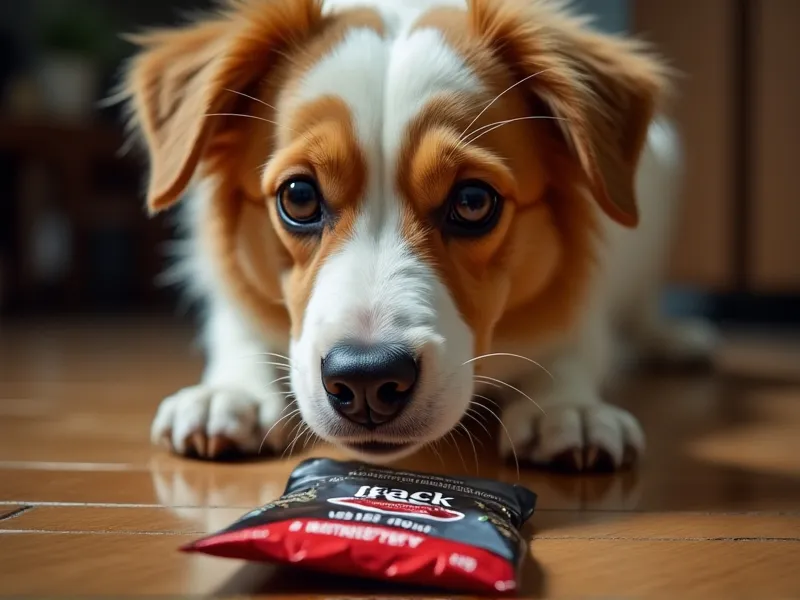
Table of Contents
- Can Dogs Eat Jack Link’s Beef Jerky? The Short Answer
- What’s in Jack Link’s Beef Jerky, Anyway?
- Potential Benefits of Beef for Dogs (vs. Jerky)
- The Risks: Why Jack Link’s Jerky Isn’t Ideal for Dogs
- How Much (If Any) Jack Link’s Jerky Is Safe?
- Healthier Alternatives to Jack Link’s Beef Jerky
- FAQ: Your Top Questions Answered
- Final Thoughts: Prioritizing Your Dog’s Health
Can Dogs Eat Jack Link’s Beef Jerky? The Short Answer
No, Jack Link’s beef jerky is not recommended for dogs.
While plain, unseasoned, and unprocessed beef is a fantastic source of protein for dogs, store-bought jerky like Jack Link’s often contains additives, preservatives, and flavorings that can be harmful. The key issue isn’t the beef itself—it’s the extra ingredients. To keep your dog safe, it’s best to skip the store-bought jerky and opt for simpler, dog-friendly alternatives.
What’s in Jack Link’s Beef Jerky, Anyway?
To understand why Jack Link’s might be risky, let’s start with the ingredient list. We checked the label of Jack Link’s Original Beef Jerky (a popular flavor), and here’s what we found:
- Beef (the main ingredient—great!)
- Water
- Sugar (added for flavor)
- Salt (high levels for preservation)
- Spices
- Hydrolyzed corn protein (a flavor enhancer)
- Paprika
- Garlic powder
- Onion powder
- Yeast extract
- Lactic acid starter culture (for preservation)
- Sodium nitrite (a preservative)
Notice the red flags? Garlic powder, onion powder, high salt, sugar, and sodium nitrite—these are the ingredients that make Jack Link’s a poor choice for dogs. Let’s unpack why.
Potential Benefits of Beef for Dogs (vs. Jerky)
Before we focus on the risks, let’s give credit where it’s due: beef is an excellent food for dogs—when prepared properly. Lean, cooked beef offers:
- Protein: Essential for muscle growth, repair, and overall energy.
- Iron: Supports healthy red blood cells and oxygen transport.
- Zinc: Boosts immune function and skin health.
- B Vitamins: Aids in digestion and brain health.
- Potassium: Regulates heart and muscle function.
The problem? Jack Link’s jerky isn’t just beef. The processing and added ingredients strip away many of these benefits and introduce new risks. Think of it like this: A grilled chicken breast is great for humans, but a chicken nugget (battered, fried, and seasoned) is a far less healthy choice. The same logic applies here.
The Risks: Why Jack Link’s Jerky Isn’t Ideal for Dogs
Let’s break down the specific dangers in Jack Link’s beef jerky, using their ingredient list as a guide.
1. Garlic and Onion Powder: Toxic to Dogs
Garlic and onion (and their powders) belong to the Allium family, which is toxic to dogs. Even small amounts can damage your dog’s red blood cells, leading to a condition called hemolytic anemia. Symptoms include weakness, lethargy, pale gums, and dark urine. In severe cases, it can be life-threatening.
Jack Link’s explicitly lists garlic and onion powder in their ingredients, making this a non-negotiable risk.
2. High Sodium: Hard on Kidneys
Dogs need sodium to survive, but not nearly as much as humans. The average Jack Link’s jerky strip contains 300–400 mg of sodium—that’s almost half of a small dog’s daily recommended sodium intake (which is around 100 mg per kg of body weight). For example:
- A 10-pound dog (4.5 kg) needs ~450 mg of sodium daily. One jerky strip could hit 80% of that!
- A 50-pound dog (22.7 kg) needs ~2,270 mg daily—but even then, a few strips could push them over the edge.
Excess sodium causes dehydration, increased thirst/urination, and strain on the kidneys. Over time, it may lead to high blood pressure or kidney disease.
3. Added Sugar: Empty Calories
Sugar is unnecessary for dogs and can lead to:
- Obesity (a leading cause of diabetes, joint pain, and heart disease in dogs).
- Dental issues (cavities and gum disease).
- Energy spikes and crashes (no fun for your pup!).
Jack Link’s adds sugar and brown sugar to enhance flavor, turning a protein-rich snack into a sugary treat.
4. Preservatives Like Sodium Nitrite
Sodium nitrite is added to jerky to prevent bacterial growth and give it that characteristic pink color. While the FDA considers it safe for humans in small amounts, there’s concern that it may form nitrosamines (chemicals linked to cancer) when heated or stored. For dogs, whose bodies process toxins differently than humans, the risk is even less understood.
The FDA has also issued warnings about pet-specific jerky treats contaminated with harmful bacteria (like Salmonella), but store-bought human jerky carries similar risks if not handled properly.
5. Choking Hazard: Tough, Chewy Texture
Jerky is designed to be dry and chewy—great for humans, but risky for dogs. Small pieces can get stuck in their throat, especially for breeds with small airways (like pugs or Chihuahuas) or dogs who gulp their food. Even larger dogs may struggle to break down tough strips, leading to choking or intestinal blockages.
6. Stomach Upset: Spices and Additives
Spices like paprika, hydrolyzed corn protein, and yeast extract might make jerky tasty for us, but they can irritate your dog’s digestive system. Symptoms include vomiting, diarrhea, or gas—no fun for anyone!
How Much (If Any) Jack Link’s Jerky Is Safe?
The safest answer? None.
Even a small piece of Jack Link’s jerky contains garlic/onion powder and high sodium, which can cause harm over time. Accidental ingestion (e.g., your dog snags a dropped piece) is unlikely to be fatal for most healthy dogs, but it’s still not ideal.
If your dog does get into a bag, monitor them closely for 24 hours. Watch for:
- Vomiting or diarrhea
- Lethargy or weakness
- Excessive thirst/urination
- Pale gums or dark urine
If you notice any of these symptoms, contact your vet immediately.
Healthier Alternatives to Jack Link’s Beef Jerky
The good news? You don’t have to deny your dog the joy of a meaty treat! Here are safer, dog-friendly alternatives:
1. Homemade Beef Jerky (Dog-Style!)
Skip the store-bought stuff and make your own! It’s easy:
- Slice lean beef (like sirloin) into thin strips.
- Bake at 170°F (75°C) for 2–3 hours until dry and chewy.
- No salt, spices, or additives—just plain beef!
Store in an airtight container for up to a week. Your dog will love the fresh, meaty flavor.
2. Freeze-Dried Beef Treats
Freeze-dried beef is minimally processed,保留了大部分营养, and has no added sugars or preservatives. Brands like Stella & Chewy’s or Instinct make high-quality freeze-dried treats that dogs go crazy for.
3. Plain Cooked Beef Cubes
A simple, no-fuss option: Cook lean beef (ground or cubed) in a pan with no oil, salt, or seasonings. Let it cool, then serve in small pieces. It’s protein-packed and easy to digest.
4. Dehydrated Sweet Potatoes
For a veggie-based alternative, try dehydrated sweet potatoes. They’re high in fiber, vitamins A and C, and naturally sweet—no added sugar needed! Slice them thin, bake at 225°F (107°C) for 2–3 hours, and you’ve got a crunchy, healthy treat.
5. Carrot Sticks or Green Beans
Crunchy, low-calorie, and full of vitamins—carrots and green beans make excellent snacks. They’re great for dental health (the crunch helps scrape plaque) and perfect for dogs watching their weight.
FAQ: Your Top Questions Answered
Q: Is any store-bought beef jerky safe for dogs?
A: It’s rare. Most human jerky contains salt, sugar, or spices. Some brands sell “dog-specific” jerky—check the label for no garlic/onion, low sodium, and no added sugars. Even then, moderation is key!
Q: My dog ate a piece of Jack Link’s—should I panic?
A: Probably not, but monitor them. A single small piece is unlikely to cause severe harm in a healthy dog, but watch for vomiting, diarrhea, or lethargy. If symptoms last more than 24 hours, call your vet.
Q: Can puppies have Jack Link’s beef jerky?
A: No. Puppies have sensitive digestive systems and developing kidneys, making them more vulnerable to salt, sugar, and toxins like garlic. Stick to puppy-safe treats (e.g., plain cooked chicken).
Q: What if the jerky is “low sodium” or “natural”?
A: “Low sodium” doesn’t mean “no sodium,” and “natural” doesn’t equal “safe.” Always check the ingredient list for garlic, onion, or added sugars—these are dealbreakers.
Q: Are there any beef jerky brands made for dogs?
A: Yes! Brands like BarkBox Jerky or Riley’s Organics make dog-safe jerky with minimal ingredients (e.g., just beef and water). Always read labels to confirm no harmful additives.
Final Thoughts: Prioritizing Your Dog’s Health
Sharing snacks with your dog is a sweet way to show love, but when it comes to Jack Link’s beef jerky, the risks often outweigh the rewards. The beef itself is nutritious, but the added salt, sugar, garlic, and preservatives make this popular snack a no-go.
Instead, opt for simple, homemade treats or trusted dog-specific products. Your pup will love the extra effort, and you’ll have peace of mind knowing you’re keeping them safe.
As always, if you’re unsure about a food, consult your vet. They know your dog’s unique needs (age, breed, health conditions) and can help you make the best choices.
Here’s to many happy, healthy snack times with your favorite furry companion!
References
- American Society for the Prevention of Cruelty to Animals (ASPCA). “Toxic and Non-Toxic Plants: Onions.” aspca.org
- U.S. Food and Drug Administration (FDA). “FDA Warns About Potentially Toxic Dog Treats.” fda.gov
- American Kennel Club (AKC). “Safe Human Foods for Dogs.” akc.org
- Pet Poison Helpline. “Garlic Poisoning in Dogs.” petpoisonhelpline.com