· 9 min read
Can Dogs Eat Beef Hot Dogs? The Surprising Truth Every Pet Parent Should Know
It’s a warm summer afternoon, and you’re firing up the grill. The scent of sizzling beef hot dogs fills the air, and suddenly, you feel a wet nose nudge your hand. Your dog—tail thumping, eyes wide as saucers—is staring at the hot dog in your hand, clearly begging for a bite. “Just a tiny piece won’t hurt, right?” you think.
We’ve all been there. Hot dogs are a staple at cookouts, ball games, and family gatherings, so it’s natural to want to share the fun with our furry friends. But before you toss them a chunk, let’s get real: Are beef hot dogs safe for dogs? And if so, how much is too much?
In this guide, we’ll break down the facts—from the potential benefits (yes, there are some) to the very real risks. By the end, you’ll know whether to say “yes” (occasionally) or “no” (most of the time) to sharing your hot dog with your pup.
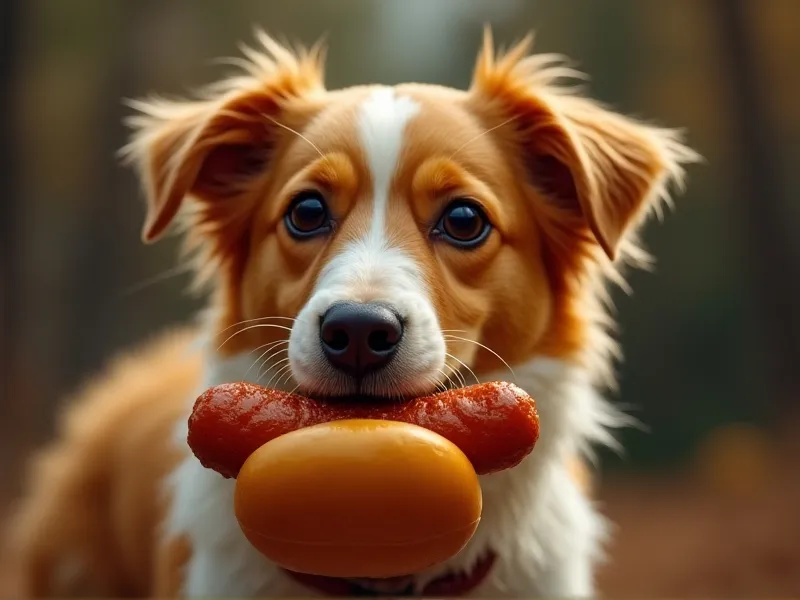
Table of Contents
- Can Dogs Eat Beef Hot Dogs? The Short Answer
- The (Minimal) Benefits of Beef Hot Dogs for Dogs
- The Risks: Why Hot Dogs Are a “Junk Food” for Dogs
- How Much (If Any) Beef Hot Dog Is Safe? Guidelines for Pet Parents
- Healthier Alternatives to Beef Hot Dogs
- FAQ: Your Hot Dog Questions Answered
- Conclusion: Prioritize Health Over Convenience
Can Dogs Eat Beef Hot Dogs? The Short Answer
Yes, dogs can technically eat small, occasional pieces of beef hot dogs—but they’re far from a healthy choice. Think of them as the doggy equivalent of potato chips: not toxic, but loaded with salt, fat, and additives that make them a “junk food” for your pup.
Most vets agree: Hot dogs shouldn’t be a regular part of your dog’s diet. But if you must share a tiny taste (we get it—those puppy eyes are hard to resist), there are rules to follow to keep your dog safe.
The (Minimal) Benefits of Beef Hot Dogs for Dogs
Let’s start with the good news—though it’s slim. Beef hot dogs do contain some nutrients, but they’re not exactly a superfood. Here’s what you need to know:
1. Protein (But Low-Quality)
Hot dogs are made from beef, so they contain protein—a nutrient dogs need for muscle health, energy, and cell repair. However, the protein in hot dogs is often low-quality. Most commercial hot dogs use “mechanically separated meat” (MSM)—leftover bits of meat, fat, and connective tissue that’s ground into a paste. This is far less nutritious than fresh, unprocessed beef like a lean steak or ground beef.
2. Trace Vitamins (If You Squint)
Beef does contain B vitamins (like B12 and niacin) and minerals (like zinc and iron), which support energy metabolism and immune function. But hot dogs are processed, so these nutrients are often stripped or diluted. You’d need to feed your dog a lot of hot dogs to get any meaningful benefit—and that’s dangerous (more on that later).
3. Palatability (Dogs Love Them!)
Let’s be honest: Dogs go crazy for hot dogs. Their strong, salty flavor is irresistible to most pups, which can make them useful as a high-value treat for training—in tiny amounts. Just remember: “tasty” doesn’t equal “healthy.”
The Risks: Why Hot Dogs Are a “Junk Food” for Dogs
Now, the not-so-good news. Hot dogs are packed with ingredients that can harm your dog, even in small doses. Let’s break down the biggest risks:
1. Sky-High Sodium: A Major Threat
The #1 danger of hot dogs is their sodium content. A single standard beef hot dog (about 50 grams) can contain 500–800 mg of sodium. To put that in perspective:
- A 10-pound dog (e.g., Chihuahua) should eat no more than 100 mg of sodium per day.
- A 50-pound dog (e.g., Labrador) should max out at 500 mg per day.
Feeding even half a hot dog could exceed your dog’s daily sodium limit, leading to:
- Excessive thirst and urination
- Dehydration
- Electrolyte imbalances
- In severe cases: Sodium ion poisoning (symptoms include vomiting, diarrhea, tremors, seizures, and even death).
Dogs with kidney disease, heart disease, or high blood pressure are at even higher risk—sodium can worsen these conditions and lead to organ failure.
2. Preservatives: Nitrates and Nitrites
Most hot dogs contain nitrates or nitrites, preservatives that keep the meat pink and prevent bacterial growth. While the FDA deems these “safe” for humans in small amounts, studies suggest they may be harmful to dogs.
In 2018, the World Health Organization (WHO) classified processed meats (like hot dogs) as “Group 1 carcinogens”—substances known to cause cancer in humans. For dogs, nitrates can react with stomach acid to form nitrosamines, compounds linked to an increased risk of cancer (especially bladder cancer) in long-term studies [^1].
3. Artificial Additives: Colors, Flavors, and More
Check the ingredient list on a hot dog package, and you’ll likely see additives like:
- Artificial colors (e.g., Red 40, Yellow 5): These have been linked to hyperactivity and allergic reactions in dogs.
- Artificial flavors: Often derived from chemicals that can upset your dog’s stomach (vomiting, diarrhea).
- Sugar: Some hot dogs (especially “sweet” varieties) contain added sugar, which contributes to obesity, diabetes, and dental decay.
4. High Fat Content: Pancreatitis Risk
Hot dogs are high in fat—another red flag. Fatty foods can trigger pancreatitis in dogs, a painful and potentially life-threatening condition where the pancreas becomes inflamed. Symptoms include severe abdominal pain, vomiting, lethargy, and loss of appetite.
Small dogs, overweight dogs, and breeds prone to pancreatitis (like Miniature Schnauzers) are at the highest risk.
5. Choking Hazard
Hot dogs are small, cylindrical, and slippery—perfect for getting stuck in a dog’s throat. This is especially dangerous for small breeds (e.g., Pomeranians, Dachshunds) with narrow airways, but even large dogs can choke if they gulp their food without chewing.
How Much (If Any) Beef Hot Dog Is Safe? Guidelines for Pet Parents
If you must share a tiny taste of hot dog with your dog, follow these rules to minimize risk:
1. Size Matters: Stick to a “Tiny Bite”
- Small dogs (under 20 lbs): No more than a pea-sized piece (about 1–2 grams).
- Medium dogs (20–50 lbs): A dime-sized piece (3–5 grams).
- Large dogs (50+ lbs): A nickel-sized piece (5–8 grams).
A whole hot dog (or even half) is never safe—even for a Great Dane.
2. Occasional Only: Once a Month (Max!)
Hot dogs should be a rare treat, not a regular snack. Aim for once a month at most. Feeding them more often increases the risk of sodium overload, obesity, and long-term health issues.
3. Skip the Extras
- No bun: Hot dog buns are empty carbs (white flour) with no nutritional value. They can also expand in your dog’s stomach, causing bloating.
- No toppings: Ketchup (onion powder, toxic to dogs), mustard (spicy, can irritate the stomach), relish (high sugar), and cheese (high fat) are all off-limits. Stick to plain, unseasoned hot dog.
4. Check the Ingredients First
Opt for “cleaner” hot dogs if possible:
- No nitrates/nitrites
- Low sodium (under 300 mg per hot dog)
- No artificial colors/flavors
Even then, they’re still processed—so treat them as a last resort.
5. Avoid If Your Dog Has Health Issues
Skip hot dogs entirely if your dog has:
- Kidney disease (can’t process excess sodium)
- Heart disease (sodium worsens fluid retention)
- Diabetes (added sugar spikes blood sugar)
- Obesity (high fat = extra calories)
- Pancreatitis (history or risk)
Healthier Alternatives to Beef Hot Dogs
Instead of hot dogs, treat your dog to these nutritious, dog-safe snacks:
1. Lean Cooked Beef
Skip the processed stuff and go for fresh, unseasoned beef. Boil or grill a small piece of lean steak (no salt, pepper, or garlic), chop it into bite-sized pieces, and serve. It’s high in quality protein and iron—way better than a hot dog!
2. Turkey or Chicken “Hot Dogs” (Read the Label!)
Some brands make low-sodium, nitrate-free turkey or chicken hot dogs. These are slightly better than beef hot dogs (lower fat), but still check the sodium (aim for under 200 mg per serving). Use the same tiny portion rules as above.
3. Fresh Veggies
Crunchy, low-calorie veggies like carrots, green beans, or cucumber make great treats. They’re high in fiber, vitamins, and water—perfect for keeping your dog full and hydrated.
4. Plain Cooked Chicken
Boiled chicken breast (no seasoning) is a vet-approved favorite. It’s gentle on tummies, high in protein, and easy to digest—ideal for training or a quick snack.
5. Dog-Safe Fruits
Apples (no seeds), blueberries, or watermelon (seedless) are sweet, refreshing, and packed with antioxidants. Just avoid grapes, raisins, and cherries—they’re toxic to dogs.
FAQ: Your Hot Dog Questions Answered
Q: My dog stole a whole hot dog! What should I do?
A: Stay calm. Monitor your dog for 24 hours for signs of sodium toxicity: excessive thirst/urination, vomiting, diarrhea, lethargy, or seizures. If you notice any of these, call your vet immediately. Most dogs will be okay, but it’s better to be safe.
Q: Can puppies eat hot dogs?
A: No. Puppies have developing kidneys and digestive systems, making them extra sensitive to sodium and additives. Stick to puppy-safe treats like plain yogurt or small pieces of cooked chicken.
Q: Are “all-natural” or organic hot dogs safer?
A: They’re slightly better—many skip artificial additives and use higher-quality meat—but they’re still processed. Even organic hot dogs can have high sodium (check the label!). They’re a better last resort, but not a healthy choice.
Q: Can dogs eat hot dog buns?
A: Buns are made of white flour, which offers no nutritional value and can cause bloating. A tiny crumb won’t hurt, but avoid feeding them regularly.
Conclusion: Prioritize Health Over Convenience
At the end of the day, beef hot dogs are a processed, nutrient-poor food that offers little benefit to dogs. While a tiny, occasional bite won’t harm most healthy dogs, they’re far from ideal.
Instead of reaching for the hot dog, opt for fresh, whole foods like lean meat, veggies, or fruits. Your dog will love the taste, and you’ll love knowing you’re keeping them healthy.
When in doubt, always consult your vet—especially if your dog has health issues or you’re unsure about a new treat. They can help you make the best choices for your pup’s unique needs.
Now, go enjoy that cookout—and maybe share a carrot stick with your dog instead. They’ll wag their tail either way!
References
- American Society for the Prevention of Cruelty to Animals (ASPCA). “People Foods to Avoid Feeding Your Pets.” aspca.org
- PetMD. “Sodium Poisoning in Dogs.” petmd.com
- World Health Organization (WHO). “IARC Classifies Processed Meat as Carcinogenic to Humans.” who.int
- Veterinary Centers of America (VCA). “Pancreatitis in Dogs.” vca.com