· 9 min read
Can Dogs Eat Beef Heart? A Nutritious Treat or Hidden Risk?
You’re at the farmers’ market, browsing the meat counter, when a package of beef hearts catches your eye. Your dog, ever the curious foodie, noses your hand, tail thumping—they know that’s something new. But before you tear open the package and share, you pause: Is beef heart safe for dogs? And if it is, is it actually good for them?
As pet parents, we’re always second-guessing what goes into our dogs’ bowls. After all, their health depends on us making smart choices. The good news? Beef heart isn’t just safe for dogs—it’s a nutrient-packed superfood when fed correctly. But like any treat, there are caveats: portion control, preparation, and knowing your dog’s unique needs.
In this guide, we’ll break down everything you need to know about feeding beef heart to your pup: the benefits, the risks, how much to serve, and even healthier alternatives. Let’s dive in!
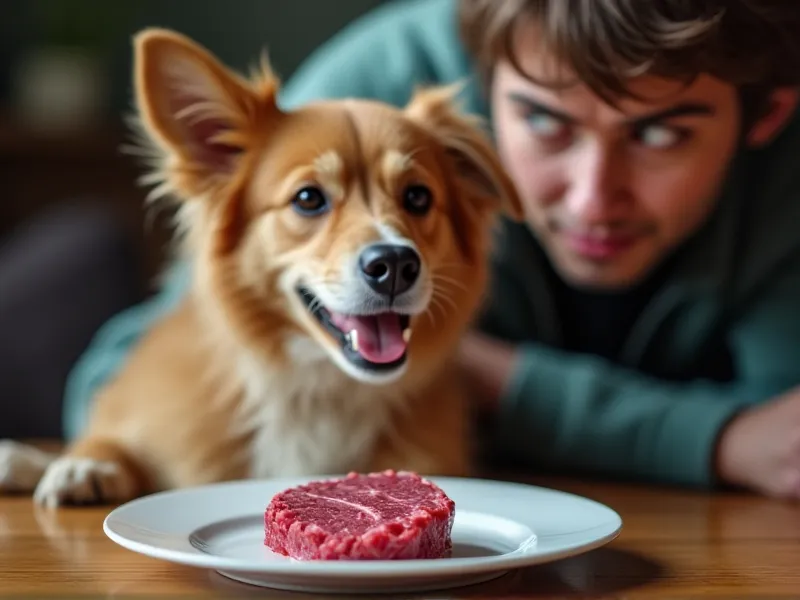
Table of Contents
- Can Dogs Eat Beef Heart? The Short Answer
- The Benefits of Beef Heart for Dogs: Why It’s a Nutritional Powerhouse
- Risks to Watch For: When Beef Heart Might Be Harmful
- How Much Beef Heart Can Dogs Eat? Guidelines by Size
- Healthier Alternatives to Beef Heart
- FAQ: Your Beef Heart Questions Answered
- Conclusion: Moderation is Key
- References
Can Dogs Eat Beef Heart? The Short Answer
Yes, dogs can eat beef heart—but in moderation.
Beef heart is a lean, nutrient-dense organ meat that’s been a staple in raw and homemade dog diets for decades. It’s packed with protein, vitamins, and minerals that support everything from muscle health to heart function. However, it’s not a “free-for-all” treat. Overfeeding, improper preparation, or ignoring your dog’s individual health needs can lead to issues like stomach upset or nutrient imbalances.
Think of beef heart as a “supplement” to your dog’s regular diet—not a replacement for balanced kibble or fresh food. When served safely and in the right amounts, it’s a tasty way to boost their nutrition.
The Benefits of Beef Heart for Dogs: Why It’s a Nutritional Powerhouse
Organ meats are often called “nature’s multivitamins,” and beef heart is no exception. Here’s why it deserves a spot in your dog’s treat rotation:
1. High-Quality Protein for Muscle & Energy
Beef heart is loaded with protein—about 17 grams per 100 grams of cooked meat (PetMD, 2023). Protein is essential for dogs: it builds and repairs muscle, supports a healthy coat, and fuels their zoomies. Unlike processed protein sources, the protein in beef heart is “complete,” meaning it contains all the amino acids your dog needs (like taurine, which we’ll dive into next).
2. Taurine: A Heart-Health Hero
Taurine is an amino acid critical for heart function, vision, and brain health in dogs. While most dogs make taurine naturally, some breeds (like Cocker Spaniels, Boxers, and Bulldogs) are prone to deficiencies, which can lead to serious heart conditions (AKC, 2022).
Beef heart is rich in taurine: 100 grams of raw beef heart contains about 300-400 mg of taurine (BalanceIT, 2023). That’s more than many commercial dog foods! Adding small amounts to your dog’s diet can help support their cardiovascular system—fitting, since it’s literally heart meat.
3. Iron & Zinc for Immunity & Blood Health
Iron is vital for red blood cells, which carry oxygen throughout the body. A lack of iron can lead to anemia, fatigue, and weakness. Beef heart delivers about 3.8 mg of iron per 100 grams (USDA, 2023)—perfect for active dogs or those recovering from illness.
Zinc, another key mineral in beef heart, supports your dog’s immune system, skin health, and wound healing. One serving provides around 5 mg of zinc—about 45% of a medium dog’s daily needs (PetMD, 2023).
4. B Vitamins for Energy & Brain Function
Beef heart is a B-vitamin jackpot: it’s high in B12 (supports nerve function and energy), riboflavin (B2, aids metabolism), and niacin (B3, keeps skin and coat healthy). B vitamins are especially important for senior dogs, who may have trouble absorbing nutrients from their regular food.
5. Potassium for Muscle & Nerve Health
Potassium is an electrolyte that helps regulate heart rate, muscle contractions, and fluid balance. 100 grams of beef heart contains about 317 mg of potassium—enough to support your dog’s active lifestyle (USDA, 2023).
In short? Beef heart is like a multivitamin in meat form. But as with any good thing, too much can cause problems. Let’s talk risks.
Risks to Watch For: When Beef Heart Might Be Harmful
While beef heart is generally safe, there are a few pitfalls to avoid. Here’s what to watch for:
1. Nutrient Imbalances (Too Much of a Good Thing)
Beef heart is rich in nutrients like iron and zinc—but overfeeding can throw off your dog’s diet. For example, excess iron can cause stomach upset or, in rare cases, iron toxicity (though this is more common with supplements than whole foods). Similarly, too much zinc can interfere with copper absorption, leading to deficiencies (AVMA, 2021).
Fix: Treat beef heart as a supplement, not a meal. Never replace your dog’s balanced kibble or fresh food with organ meat alone.
2. Bacterial Risks (Raw vs. Cooked)
Raw beef heart may contain harmful bacteria like Salmonella or E. coli, which can sicken both dogs and humans. While some raw feeders swear by “prey-model” diets (which include raw organs), the FDA warns that raw meat poses a risk of foodborne illness—especially for puppies, seniors, or dogs with weakened immune systems (FDA, 2022).
Fix: Cook beef heart thoroughly to kill pathogens. Boil, bake, or pan-fry it (no oil or seasonings!) until the internal temperature reaches 160°F (71°C).
3. Choking Hazards
Beef heart is a dense meat, and large chunks can get stuck in your dog’s throat—especially for small breeds or dogs who gulp their food.
Fix: Slice cooked beef heart into bite-sized pieces (think: pea-sized for Chihuahuas, dime-sized for Labs). Always supervise your dog while they eat new treats.
4. Stomach Upset (If Introduced Too Quickly)
Like any new food, beef heart can cause diarrhea or vomiting if your dog’s gut isn’t used to it. Their digestive systems thrive on routine, so sudden changes can disrupt their microbiome.
Fix: Start with a tiny portion (1-2 pieces) and wait 24 hours. If there’s no upset, gradually increase the amount over a week.
5. High Cholesterol (A Minor Concern)
Beef heart contains cholesterol (~84 mg per 100 grams), but don’t panic: Dogs process cholesterol differently than humans. Most healthy dogs can handle moderate cholesterol levels, but if your dog has pancreatitis or heart disease, check with your vet first (AKC, 2023).
How Much Beef Heart Can Dogs Eat? Guidelines by Size
The golden rule: Treats (including beef heart) should make up no more than 10% of your dog’s daily calories. Here’s a rough guide based on weight:
| Dog Size | Cooked Beef Heart Serving | Frequency |
|---|---|---|
| Small (under 20 lbs): Chihuahua, Pug | 1-2 teaspoons | 2-3x per week |
| Medium (20-50 lbs): Beagle, Bulldog | 1-2 tablespoons | 1-2x per week |
| Large (50+ lbs): Labrador, German Shepherd | 2-3 tablespoons | 1x per week |
Pro Tip: Adjust based on your dog’s activity level. A high-energy Border Collie may handle a slightly larger serving than a couch-potato Basset Hound. And if your dog is on a calorie-restricted diet (e.g., for weight loss), cut back even more.
Healthier Alternatives to Beef Heart
If beef heart isn’t your dog’s favorite (or you want to mix things up), try these nutrient-dense alternatives:
1. Chicken Gizzards
Gizzards are lean, chewy, and packed with taurine (even more than beef heart!). They’re also lower in fat, making them great for dogs watching their weight. Serve cooked and chopped (same rules as beef heart).
2. Turkey Liver
Liver is another organ meat rich in iron, B vitamins, and vitamin A. Warning: Liver is high in vitamin A, so limit to 1-2 teaspoons per week (too much can cause toxicity). Turkey liver is leaner than beef liver, so it’s gentler on tummies.
3. Lean Beef or Chicken Breast
If organ meats feel “weird,” stick to lean muscle meats. Chicken breast is low in fat and high in protein, while lean beef (like sirloin) offers iron and zinc without the organ meat intensity.
4. Sweet Potatoes
For a plant-based treat, try baked sweet potato chunks. They’re high in fiber, vitamin A, and antioxidants—great for digestion and energy. Just avoid adding butter or sugar!
FAQ: Your Beef Heart Questions Answered
Q: Can puppies eat beef heart?
A: Yes, but in tiny portions! Puppies have sensitive stomachs, so start with 1-2 small pieces (cooked!) and monitor for upset. Beef heart’s protein and taurine can support their growing bodies, but their main diet should still be puppy-formulated food.
Q: Is raw beef heart better than cooked?
A: Raw beef heart retains more nutrients (like taurine), but it carries a higher risk of bacteria. If you choose raw, freeze it for 72 hours first to kill parasites, and always handle it with gloves (to avoid cross-contamination). For most pet parents, cooked is safer.
Q: Can dogs with kidney disease eat beef heart?
A: Probably not. Beef heart is high in protein, and dogs with kidney disease often need low-protein diets to reduce strain on their kidneys. Check with your vet before adding it to their meals.
Q: My dog ate a whole beef heart—should I panic?
A: Probably not, but monitor for signs of upset (vomiting, diarrhea, lethargy). A one-time binge is unlikely to cause long-term harm, but contact your vet if symptoms last more than 24 hours.
Q: How do I store leftover beef heart?
A: Cooked beef heart keeps in the fridge for 3-4 days or in the freezer for up to 3 months. Freeze portions in ice cube trays for easy serving!
Conclusion: Moderation is Key
Beef heart is a nutritional rockstar for dogs—rich in protein, taurine, iron, and B vitamins. When served cooked, portioned correctly, and introduced slowly, it’s a tasty way to boost your dog’s diet. Just remember: it’s a treat, not a meal.
Every dog is different, so always check with your vet before adding new foods—especially if your pup has health issues like pancreatitis or kidney disease. And when in doubt, start small: a tiny piece of cooked beef heart today could be the start of a lifelong (and healthy!) snack obsession.
Your dog’s tail (and their heart) will thank you.
References
- American Kennel Club (AKC). (2022). Taurine Deficiency in Dogs. [akc.org/expert-advice/nutrition/taurine-deficiency-in-dogs/]
- American Veterinary Medical Association (AVMA). (2021). Nutrition for Dogs. [avma.org/resources/pet-owners/petcare/nutrition-dogs]
- BalanceIT. (2023). Nutrient Data: Beef Heart. [balanceit.com/nutrient-data]
- Food and Drug Administration (FDA). (2022). Raw Pet Food. [fda.gov/animal-veterinary/animal-health-literacy/raw-pet-food]
- PetMD. (2023). Organ Meats for Dogs: Are They Safe? [petmd.com/dog/nutrition/are-organ-meats-safe-dogs]
- USDA FoodData Central. (2023). Beef, Heart, Cooked. [fdc.nal.usda.gov/fdc-app.html#/food-details/174311/nutrients]