· 9 min read
Can Dogs Eat Raw Beef Fat? What Pet Parents Need to Know
Picture this: You’re prepping a Sunday roast, trimming a thick slab of beef, when your dog trots into the kitchen. Their tail wags furiously, nose twitching at the scent of fresh meat—and their eyes lock onto the pile of glistening raw beef fat on the counter. “Just a tiny piece won’t hurt, right?” you think. After all, dogs are natural carnivores, and raw fat does sound like something their wolf ancestors might have gobbled up. But before you toss them a scrap, let’s get real: Is raw beef fat safe for dogs? Or could that innocent treat lead to an emergency vet trip?
In this guide, we’ll dive into the pros and cons of feeding raw beef fat to your pup, break down the risks and (limited) benefits, and share safe guidelines to keep your dog happy and healthy. Let’s chow down on the facts!
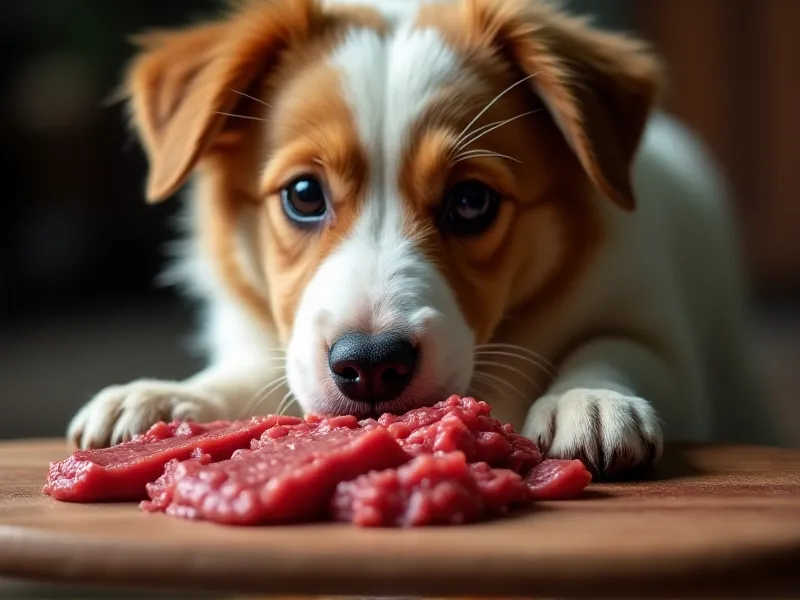
Table of Contents
- Can Dogs Eat Raw Beef Fat? The Short Answer
- Potential Benefits of Raw Beef Fat for Dogs
- Risks of Feeding Raw Beef Fat to Dogs
- How Much Raw Beef Fat Is Safe for Dogs?
- Healthier Alternatives to Raw Beef Fat
- FAQ: Your Raw Beef Fat Questions, Answered
- Conclusion: When in Doubt, Ask Your Vet
Can Dogs Eat Raw Beef Fat? The Short Answer
Yes, but with major caveats. Dogs can technically digest small amounts of raw beef fat, and some may even enjoy it. However, the risks—like pancreatitis, bacterial infections, or choking—often outweigh the minimal benefits. For most dogs, especially those with sensitive stomachs, obesity, or health conditions, raw beef fat is best avoided.
Think of it like junk food for humans: A single french fry won’t derail your diet, but a whole plate could leave you feeling sick. Raw beef fat is similar for dogs—occasional, tiny bites might be okay, but it’s not a “safe” or recommended treat.
Potential Benefits of Raw Beef Fat for Dogs
Before we get to the risks, let’s acknowledge the few (very limited) perks of raw beef fat. It’s not all bad news—just mostly bad news.
1. A Source of Calories (for Active Dogs)
Beef fat is calorie-dense, with about 9 calories per gram (compared to 4 calories per gram for protein or carbs). For extremely active dogs (think working dogs, sled dogs, or high-energy breeds), a tiny amount could provide a quick energy boost. However, most pet dogs today are couch potatoes, not sled dogs—so extra calories often lead to weight gain, not fuel.
2. Fat-Soluble Vitamins
Raw beef fat contains small amounts of fat-soluble vitamins like vitamin A (supports eye health and immunity), vitamin D (aids bone health), and vitamin E (an antioxidant). But here’s the catch: Your dog’s regular kibble or balanced diet already has these vitamins in controlled amounts. Adding raw fat won’t “boost” their intake enough to make a difference—and could throw off their diet’s balance.
3. Tasty Training Tool (In Theory)
Let’s be real: Dogs love fat. Its rich, meaty flavor can make it a tempting training reward. But again, there are safer, healthier treats (we’ll cover those later!) that taste just as good without the risks.
Risks of Feeding Raw Beef Fat to Dogs
Now, let’s get to the important part: why raw beef fat is often more trouble than it’s worth. These risks are serious and can affect dogs of all ages, breeds, and sizes.
1. Pancreatitis: The Scariest Risk
Pancreatitis (inflammation of the pancreas) is the biggest concern. The pancreas produces enzymes to digest food, but a sudden influx of fat can trigger it to “overreact,” leading to swelling, pain, and even organ failure.
Symptoms of pancreatitis include:
- Vomiting (especially after eating)
- Diarrhea (often greasy or bloody)
- Lethargy
- Abdominal pain (your dog may hunch their back or avoid being touched)
- Loss of appetite
Pancreatitis is life-threatening and requires immediate vet care. According to the American Kennel Club (AKC), high-fat diets are one of the top causes of pancreatitis in dogs. Even a single large serving of raw beef fat could trigger an attack, especially in breeds prone to the condition (like Miniature Schnauzers, Cocker Spaniels, and Yorkshire Terriers).
2. Bacterial Infections (Salmonella, E. Coli, and More)
Raw meat—including raw beef fat—can harbor harmful bacteria like Salmonella, E. coli, or Listeria. These bacteria don’t just sicken your dog; they can also spread to humans via your dog’s saliva, poop, or contaminated surfaces (hello, “pet-to-person” transmission).
The CDC warns that raw meat diets for pets are linked to an increased risk of bacterial infections in both animals and their owners. Puppies, senior dogs, and dogs with weakened immune systems are especially vulnerable.
3. Choking or Intestinal Blockage
Raw beef fat is often tough and stringy, especially if it’s from a cut like brisket or ribs. A large chunk could get stuck in your dog’s throat, causing choking. Even small pieces can clump together in the intestines, leading to a blockage—a painful, potentially fatal condition that often requires surgery.
4. Digestive Upset (Vomiting, Diarrhea, Gas)
Dogs’ stomachs aren’t built to handle sudden, high-fat meals. Raw fat can irritate the digestive tract, leading to:
- Nausea
- Vomiting (sometimes hours after eating)
- Explosive diarrhea
- Bloating or gas
This isn’t just unpleasant for you (hello, cleaning up messes!); it can dehydrate your dog or lead to electrolyte imbalances if left untreated.
5. Weight Gain and Obesity
As we mentioned earlier, fat is calorie-dense. A single tablespoon of beef fat has about 100 calories—that’s 5% of the daily calorie needs for a 20-pound dog! Feeding even small amounts regularly can quickly lead to obesity, which increases the risk of diabetes, joint pain, and heart disease.
How Much Raw Beef Fat Is Safe for Dogs?
If you must share a tiny piece (we get it—those puppy eyes are powerful!), follow these strict guidelines:
- Size Matters
- Small dogs (under 20 lbs): No more than a pea-sized piece, once every few weeks.
- Medium dogs (20–50 lbs): A dime-sized piece, once every 2–3 weeks.
- Large dogs (50+ lbs): A quarter-sized piece, once a month at most.
- Never Feed These Dogs Raw Beef Fat
Avoid entirely if your dog:
- Has a history of pancreatitis or digestive issues
- Is obese or overweight
- Is a puppy (under 1 year old—their tummies are extra sensitive)
- Is a senior dog (age 7+, higher risk of health issues)
- Has a weakened immune system (e.g., due to illness or medication)
- Always Supervise
If you do offer a bite, watch your dog closely to ensure they chew it thoroughly (no gulping!) and don’t choke.
Healthier Alternatives to Raw Beef Fat
Instead of raw beef fat, treat your dog to these safer, nutrient-packed options that still taste delicious:
1. Cooked Lean Beef (Trimmed of Fat)
Skip the fat and offer a small piece of cooked, unseasoned lean beef (like sirloin or ground beef with 90%+ lean). It’s high in protein and iron, and much easier on their stomach.
2. Fish Oil (for Healthy Fats)
For a boost of omega-3 fatty acids (great for skin, coat, and joint health), add a vet-recommended fish oil supplement to their food. Brands like Nordic Naturals or Zesty Paws are popular choices.
3. Coconut Oil (in Moderation)
A tiny spoonful of unrefined coconut oil (1/4 tsp for small dogs, 1 tsp for large dogs) can support digestion and give their coat a shine. Start with a small amount to avoid diarrhea.
4. Plain Pumpkin (Canned, No Sugar)
Pumpkin is low in calories, high in fiber, and soothing for upset stomachs. Serve 1–2 tbsp (depending on size) as a treat or mixed into their food.
5. Carrots or Green Beans (Raw or Steamed)
Crunchy, low-calorie veggies like carrots or green beans make great snacks. They’re high in fiber, help clean teeth, and most dogs love them.
FAQ: Your Raw Beef Fat Questions, Answered
Q: My dog stole a big piece of raw beef fat! What should I do?
A: Stay calm. Monitor them closely for 24–48 hours for signs of pancreatitis (vomiting, diarrhea, lethargy) or choking. If they show any symptoms, call your vet immediately. Even if they seem fine, it’s a good idea to mention it at their next checkup.
Q: Is cooked beef fat safer than raw?
A: Cooked fat is slightly safer (it kills bacteria), but it’s still high in fat and can cause pancreatitis or digestive upset. Avoid cooked fat too—especially if it’s greasy, fried, or seasoned (onion/garlic is toxic to dogs!).
Q: Can puppies eat raw beef fat?
A: No. Puppies have developing digestive systems and are more prone to bacterial infections. Stick to puppy-safe treats like small pieces of cooked chicken or commercial puppy treats.
Q: My dog is a raw food diet (BARF diet). Does that mean raw fat is okay?
A: BARF (Biologically Appropriate Raw Food) diets often include small amounts of fat, but they’re carefully balanced by experts. If your dog is on a commercial raw diet, the fat content is controlled. Never add extra raw fat to their meals—it can throw off the diet’s nutrient balance.
Q: Are there any breeds that can handle raw beef fat better?
A: No. All breeds are at risk for pancreatitis and other issues. Even “sturdy” breeds like Labs or German Shepherds can get sick from too much fat.
Conclusion: When in Doubt, Ask Your Vet
At the end of the day, raw beef fat is a risky treat with little upside for most dogs. While a tiny, occasional bite might not hurt, it’s simply not worth the risk of pancreatitis, bacterial infections, or digestive upset.
Your dog’s health is too important to gamble on a scrap of fat. Instead, stick to vet-approved treats, balanced meals, and plenty of love (those tail wags are free, after all!). If you’re unsure about a specific food, always check with your vet—they know your dog’s health history and can give personalized advice.
So next time your dog begs for that raw beef fat, give them a belly rub and a carrot instead. They’ll wag just as hard, and you’ll both sleep better knowing they’re safe.
Sources:
- American Kennel Club (AKC). “Pancreatitis in Dogs.” akc.org
- American College of Veterinary Nutrition (ACVN). “Fat in Canine Diets.” acvn.org
- Centers for Disease Control and Prevention (CDC). “Pets and Food Safety.” cdc.gov/healthypets
- PetMD. “Human Foods Dogs Can and Can’t Eat.” petmd.com