· 8 min read
Can Dogs Eat Beef Brisket? A Pet Parent’s Guide to Sharing This Meaty Treat
It’s Sunday afternoon, and the smell of slow-cooked beef brisket is filling your kitchen. The meat is tender, juicy, and seasoned to perfection—your favorite meal of the week. At your feet, your dog sits, tail thumping a rapid rhythm against the floor, eyes locked on your plate. You can almost hear their thoughts: “Please, just one bite?”
If you’ve ever found yourself in this scenario, you’re not alone. Brisket is a beloved comfort food for many, and sharing food with our furry family members feels like a natural act of love. But before you toss that tiny piece of meat to your pup, you might wonder: Is beef brisket safe for dogs?
In this guide, we’ll break down everything you need to know—from the potential benefits of sharing a bite to the risks you should avoid. Let’s dive in!
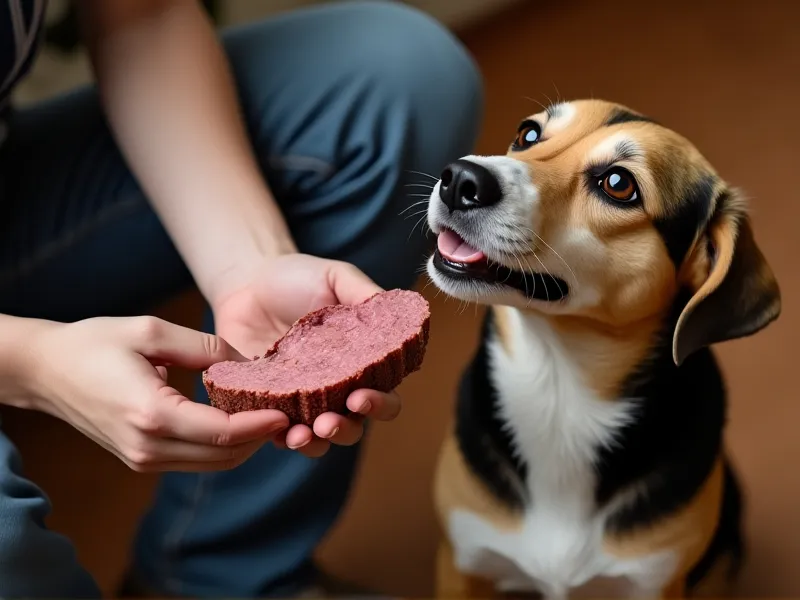
Table of Contents
- Can Dogs Eat Beef Brisket? The Short Answer
- The Benefits of Beef Brisket for Dogs (When Fed Safely)
- The Risks of Feeding Beef Brisket to Dogs (What to Watch For)
- How Much Beef Brisket Can Dogs Safely Eat? Guidelines for Pet Parents
- Healthier Alternatives to Beef Brisket for Dogs
- FAQ: Common Questions About Dogs and Beef Brisket
- Conclusion: Moderation and Common Sense (Plus, When to Call the Vet)
Can Dogs Eat Beef Brisket? The Short Answer
Yes, dogs can eat beef brisket—but only in moderation, and under specific conditions.
Plain, cooked brisket (without bones, seasonings, or sauces) can be a tasty, protein-rich treat for your pup. However, there are important risks to consider, like its high fat content, cooked bones, and added ingredients that could harm your dog.
Think of brisket as an occasional “special occasion” treat—not a regular part of their diet. With that in mind, let’s explore the benefits and risks in more detail.
The Benefits of Beef Brisket for Dogs (When Fed Safely)
When prepared properly (plain, cooked, and boneless), beef brisket offers some nutritional perks for your dog. Here’s what makes it a potentially beneficial treat:
1. High-Quality Protein for Muscle Health
Beef brisket is packed with animal-based protein, which is essential for dogs. Protein supports muscle growth and repair, maintains a healthy coat and skin, and keeps their immune system strong. According to the Association of American Feed Control Officials (AAFCO), adult dogs need at least 18% protein in their diet, and puppies need even more (22%). A small piece of brisket can help meet that requirement—though it shouldn’t replace their balanced dog food.
2. Essential Minerals: Iron, Zinc, and Potassium
Brisket is a good source of minerals that dogs need to thrive:
- Iron: Helps transport oxygen in the blood, preventing anemia and keeping energy levels up.
- Zinc: Supports immune function, wound healing, and healthy skin (important for dogs prone to allergies or skin issues).
- Potassium: Regulates heart rhythm, muscle function, and fluid balance—key for overall cardiovascular health.
3. B Vitamins for Energy and Metabolism
Beef brisket contains B vitamins like B12, niacin (B3), and riboflavin (B2). These vitamins play a role in converting food into energy, supporting brain function, and maintaining a healthy nervous system. For active dogs, a boost of B vitamins can help them stay playful and energetic!
The Risks of Feeding Beef Brisket to Dogs (What to Watch For)
While brisket has benefits, it’s not without risks—especially if fed incorrectly. Here are the biggest dangers to avoid:
1. High Fat Content: A Risk for Pancreatitis
Brisket is a fatty cut of meat (think: marbled fat, especially in “point” cuts versus leaner “flat” cuts). Too much fat can trigger pancreatitis in dogs—a painful, potentially life-threatening condition where the pancreas becomes inflamed. Symptoms include vomiting, diarrhea, lethargy, and loss of appetite.
Pancreatitis is more common in overweight dogs, senior dogs, or those with a history of digestive issues. Even a small piece of fatty brisket could be risky for these pups.
2. Cooked Bones: A Choking and Blockage Hazard
Never feed your dog cooked brisket bones! Cooked bones (unlike raw bones) are brittle and can splinter, leading to choking, lacerations in the mouth or throat, or intestinal blockages. According to the American Kennel Club (AKC), bone fragments can get stuck in the stomach or intestines, requiring surgery to remove. Always remove bones before sharing brisket with your dog.
3. Harmful Seasonings: Salt, Sugar, and Toxic Additives
Most brisket recipes include seasonings like garlic, onion, salt, pepper, or sugary sauces (e.g., BBQ sauce). These are dangerous for dogs:
- Garlic/onion: Part of the allium family, these can damage red blood cells, leading to anemia. Even small amounts are toxic.
- Salt: Excess salt causes sodium ion poisoning, with symptoms like vomiting, diarrhea, seizures, or even death. A single serving of seasoned brisket could have more salt than your dog needs in a day.
- Sugar: Added sugars (from sauces or glazes) contribute empty calories, leading to obesity, dental issues, or diabetes over time.
4. Stomach Upset from Rich, Fatty Food
Dogs have sensitive digestive systems, and fatty foods like brisket can cause stomach upset. Symptoms may include diarrhea, vomiting, or gas—especially if your dog isn’t used to rich treats. Even if they don’t develop pancreatitis, a tummy ache is no fun for anyone!
How Much Beef Brisket Can Dogs Safely Eat? Guidelines for Pet Parents
If you decide to share brisket with your dog, moderation is key. Here’s how to do it safely:
Factors to Consider: Size, Age, and Health
- Size: A Chihuahua can’t handle the same portion as a Great Dane. Small dogs (under 20 lbs) should get no more than a bite-sized piece (about 1–2 teaspoons). Large dogs (over 50 lbs) can have a slightly bigger piece (1–2 tablespoons), but still sparingly.
- Age: Puppies and senior dogs have more sensitive stomachs. Puppies may struggle with fat, while seniors may have underlying conditions (like pancreatitis or kidney disease) that make brisket risky.
- Health: If your dog is overweight, has pancreatitis, diabetes, or digestive issues, skip the brisket altogether. Consult your vet first if they have health concerns.
Portion Sizes: A General Rule of Thumb
As a treat, brisket should make up no more than 10% of your dog’s daily calorie intake. For reference:
- A 30-lb dog eats about 600 calories per day. 10% is 60 calories—roughly 1 ounce of lean brisket (without fat).
- A 60-lb dog eats ~1,200 calories daily. 10% is 120 calories—about 2 ounces of lean brisket.
Stick to leaner cuts (like the “flat” part of the brisket, which has less fat than the “point”) and trim off excess fat before feeding.
Healthier Alternatives to Beef Brisket for Dogs
If you want to share meaty treats without the risks of brisket, try these safer options:
Leaner Beef Cuts
Opt for lean cuts like sirloin, round steak, or eye of round. These have less fat than brisket and are easier on your dog’s stomach. Always cook them plain (no seasonings) and cut into small pieces.
Other Protein Sources: Chicken, Turkey, and Fish
- Chicken/turkey breast: Lean, low-fat, and packed with protein. Cooked, boneless, and skinless is best.
- Salmon or sardines: Rich in omega-3 fatty acids (great for coats and joints). Choose plain, canned salmon (no salt) or fresh, cooked salmon (no bones).
- Eggs: A scrambled egg (no salt or butter) is a cheap, protein-rich treat.
Homemade Treats: Simple, Safe, and Delicious
Skip the brisket and make DIY dog treats instead! Try:
- Baked sweet potato slices (high in fiber and vitamins).
- Frozen blueberries (antioxidant-rich and low-calorie).
- Plain, unsweetened yogurt (probiotics for gut health—avoid xylitol!).
FAQ: Common Questions About Dogs and Beef Brisket
Can dogs eat cooked brisket bones?
No! Cooked bones splinter and pose choking/blockage risks. Always remove bones before feeding brisket to your dog.
Is smoked brisket safe for dogs?
Smoked brisket is risky due to high salt, spices, and smoke byproducts. Some smokers use wood chips treated with chemicals, which can be toxic. Stick to plain, unseasoned, unsmoked brisket if you choose to share.
What if my dog ate a large amount of brisket?
Monitor for symptoms like vomiting, diarrhea, lethargy, or abdominal pain (signs of pancreatitis or stomach upset). If they ate bones, watch for choking, gagging, or difficulty pooping. Contact your vet immediately if you notice any red flags.
Can puppies eat beef brisket?
Puppies have sensitive digestive systems and are more prone to pancreatitis from fatty foods. It’s best to avoid brisket for puppies under 6 months old. Stick to puppy-safe treats like plain chicken or carrots instead.
Conclusion: Moderation and Common Sense (Plus, When to Call the Vet)
Sharing a tiny piece of plain, cooked brisket with your dog can be a sweet way to bond—just remember: moderation is everything. Avoid fatty cuts, bones, seasonings, and sauces, and never make brisket a regular part of their diet.
If you’re unsure whether brisket is safe for your dog (especially if they have health issues), consult your vet first. They can help you make personalized choices based on your pup’s size, age, and medical history.
At the end of the day, the best treat for your dog is your love and attention—but a safe, occasional bite of brisket? That’s just the cherry on top (or the brisket on the kibble).
Happy snacking (for both you and your pup)!
References
- American Kennel Club (AKC). “Can Dogs Eat Beef?” akc.org
- ASPCA. “People Foods to Avoid Feeding Your Pets.” aspca.org
- Tufts University Cummings School of Veterinary Medicine. “Pancreatitis in Dogs.” tuftscvm.org
- PetMD. “Beef for Dogs: Benefits, Risks, and Serving Tips.” petmd.com