· 8 min read
Can Dogs Eat Bear Meat? What Pet Parents Need to Know
Picture this: You’re hiking through a sun-dappled forest with your four-legged companion, Bella. She’s sniffing every rock, chasing butterflies, and generally living her best outdoor life. Suddenly, she darts off the trail, nose buried in the underbrush. When you catch up, she’s gnawing on something unidentifiable—something that looks suspiciously like raw meat. Your heart races: Could that be bear meat? And if it is… is bear meat safe for dogs?
It’s a question that might cross the mind of pet parents who live in bear country, enjoy outdoor adventures, or even stumble upon wild game. After all, dogs are descendants of wolves, and wolves do hunt bears (rarely, but it happens). So does that mean bear meat is a “natural” treat for our pups?
In short: No, bear meat is not a safe or recommended part of your dog’s diet. While it may seem like a protein-packed, “wild” option, the risks far outweigh any potential benefits. Let’s break down why, plus what you need to know if your dog accidentally eats bear meat, and healthier alternatives to keep their tail wagging.
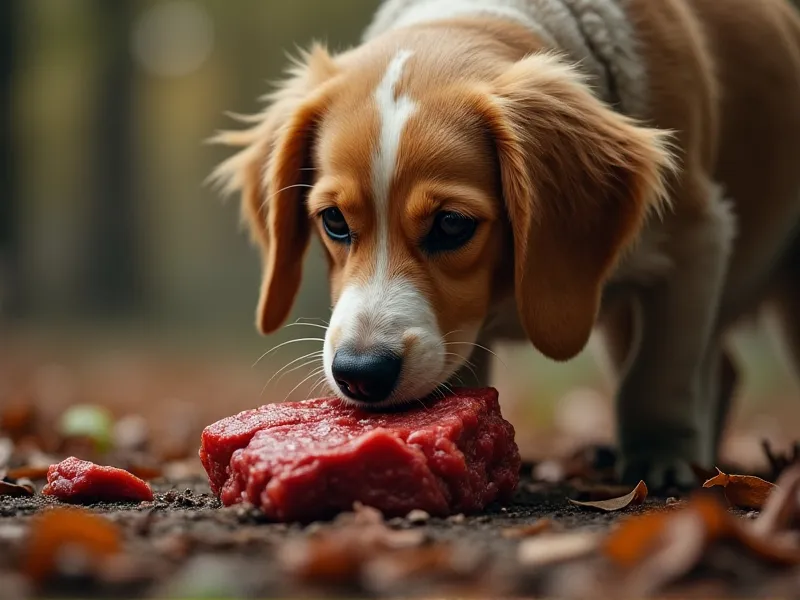
Table of Contents
- Can Dogs Eat Bear Meat? The Short Answer
- Potential “Benefits” of Bear Meat for Dogs (Spoiler: They’re Minimal)
- The Risks of Feeding Bear Meat to Dogs (Why It’s Not Worth It)
- What to Do If Your Dog Eats Bear Meat (Guidelines for Pet Parents)
- Healthier Alternatives to Bear Meat
- FAQ: Your Bear Meat Questions Answered
- Conclusion: Prioritize Safety Over “Wild” Appeal
Can Dogs Eat Bear Meat? The Short Answer
Let’s cut to the chase: Dogs should not eat bear meat intentionally. While a small, accidental bite is unlikely to be fatal, regular or large amounts pose serious health risks. Here’s why:
Wild bear meat is unregulated, often contaminated with parasites or bacteria, and may contain toxins from the bear’s diet. Domestic dogs have evolved alongside humans, and their digestive systems (and nutritional needs) are far different from their wolf ancestors. What’s “natural” for a wild wolf isn’t necessarily safe for your couch-loving, kibble-eating pup.
Potential “Benefits” of Bear Meat for Dogs (Spoiler: They’re Minimal)
At first glance, bear meat might seem like a nutrient-dense option. After all, bears are large, active animals, so their meat is lean and protein-rich. Let’s explore the potential upsides—but take them with a grain of salt.
1. High-Quality Protein
Bear meat is a complete protein, meaning it contains all nine essential amino acids dogs need for muscle growth, energy, and immune function. A 3-ounce serving of cooked bear meat has roughly 20-25 grams of protein—similar to chicken or beef.
2. Key Minerals and Vitamins
Bear meat also contains nutrients like:
- Iron: Important for red blood cell health and oxygen transport.
- Zinc: Supports skin health, immune function, and wound healing.
- B Vitamins (B12, niacin): Aid in energy metabolism and nerve function.
The Catch: These Benefits Are Available in Safer Foods
Here’s the problem: All these nutrients are easily found in commercial dog food or vet-approved human foods (like chicken, turkey, or lean beef). These alternatives are far less risky, as they’re processed, inspected for pathogens, and formulated to meet your dog’s specific needs. Bear meat’s “benefits” simply don’t justify its dangers.
The Risks of Feeding Bear Meat to Dogs (Why It’s Not Worth It)
Now, let’s get to the serious stuff: the risks. Bear meat isn’t just “meh”—it can pose significant threats to your dog’s health. Here’s what you need to watch for.
1. Parasites: Trichinosis (A Major Concern)
Bears are notorious carriers of the parasite Trichinella spiralis, which causes trichinosis. According to the CDC, trichinosis is most commonly linked to eating undercooked wild game, including bear, pork, and boar.
How it works: When a dog eats infected meat, the Trichinella larvae hatch in their intestines, grow into adults, and lay new larvae. These larvae then burrow into the dog’s muscles, causing:
- Muscle pain and weakness
- Fever
- Swelling of the face or limbs
- Diarrhea or vomiting
- In severe cases: Heart or neurological damage (rare, but possible).
Symptoms can take 1-2 weeks to appear, and treatment (antiparasitic drugs) is needed to kill the larvae. Left untreated, trichinosis can be fatal.
2. Bacterial Infections (Salmonella, E. Coli, and More)
Wild bear meat isn’t inspected or treated for bacteria like commercial meat. Bears scavenge garbage, carrion, and rotting plants, exposing their meat to harmful bacteria such as:
- Salmonella: Causes vomiting, diarrhea, fever, and dehydration.
- E. coli: Can lead to severe gastrointestinal distress or kidney damage.
- Listeria: Rare but dangerous, especially for puppies or senior dogs, causing neurological issues.
3. Toxins from the Bear’s Diet
Bears are omnivores, and their diet can include toxic plants, fungi, or even garbage (like moldy bread or spoiled food). These toxins can accumulate in the bear’s meat and pass to your dog, leading to:
- Stomach upset (vomiting, diarrhea)
- Organ damage (if the toxin is severe)
- Neurological symptoms (tremors, seizures) in rare cases.
4. Choking or Intestinal Blockages
Bear meat is often tough and may contain bones, cartilage, or sinew. Small bones can splinter and damage your dog’s throat or intestines, while large chunks can cause choking or blockages—both medical emergencies.
5. Legal and Ethical Concerns
In many regions, hunting bears is strictly regulated, and possessing or feeding bear meat (unless you’re a licensed hunter with proper processing) may be illegal. Fines for unauthorized possession of bear meat can be steep, and it’s not worth risking legal trouble for a “treat.”
What to Do If Your Dog Eats Bear Meat (Guidelines for Pet Parents)
Accidents happen. If your dog snatches a bite of bear meat during a hike or finds some in the trash, here’s what to do:
1. Stay Calm and Assess the Situation
First, check how much they ate. A tiny nibble (e.g., a bite-sized piece) is less concerning than a large chunk. Look for bones, sinew, or other debris in the meat—these increase the risk of choking or blockages.
2. Monitor for Symptoms
For the next 2-4 weeks, watch for signs of trouble:
- Vomiting or diarrhea (especially bloody stools)
- Lethargy or loss of appetite
- Muscle pain (your dog may limp or avoid jumping)
- Swelling of the face, legs, or abdomen
- Fever (normal dog temp is 100.5–102.5°F; anything above 103°F is a fever).
3. Contact Your Vet Immediately If…
- Your dog ate a large amount of bear meat.
- They show any of the symptoms above.
- There were bones or sharp debris in the meat (risk of blockage).
Your vet may recommend:
- Inducing vomiting (only if done within 1-2 hours of ingestion).
- Testing for parasites (e.g., blood work or muscle biopsies for trichinosis).
- Antibiotics or antiparasitic medication (if infection is suspected).
4. Do NOT Try to “Treat” at Home
Avoid giving your dog over-the-counter meds (like ipecac for vomiting) unless directed by a vet. Some human medications are toxic to dogs, and improper treatment can worsen symptoms.
Healthier Alternatives to Bear Meat
If you want to spoil your dog with a protein-rich treat, skip the bear meat and opt for these safer, vet-approved options:
1. Cooked Lean Meats
Chicken, turkey, or beef (boneless, skinless, and unseasoned) are excellent sources of protein. They’re low in fat, easy to digest, and free from wild pathogens. Just cook them thoroughly (no pink!) to kill bacteria.
2. Commercial Dog Treats
Look for treats made with high-quality proteins (e.g., “chicken jerky” or “beef liver bites”) from reputable brands. These are tested for safety and formulated to meet your dog’s nutritional needs.
3. Fresh Fruits and Veggies (In Moderation)
For a low-calorie snack, try blueberries, carrots, or green beans. These are packed with vitamins and fiber, and most dogs love them. Avoid grapes, raisins, onions, or garlic—these are toxic to dogs.
4. Prescription Diets (For Special Needs)
If your dog has allergies or health issues, ask your vet about prescription diets. These are tailored to their needs and ensure they get all the nutrients they need without risk.
FAQ: Your Bear Meat Questions Answered
Q: Is cooked bear meat safer than raw?
A: Cooking reduces risk but doesn’t eliminate it. Trichinella larvae can survive if meat isn’t cooked to 160°F (71°C) throughout. Even then, bacteria or toxins may still be present. It’s better to avoid it entirely.
Q: My dog ate bear meat a week ago and seems fine. Should I still worry?
A: Yes. Trichinosis symptoms can take 1-2 weeks to appear, and some dogs may show mild signs that are easy to miss. Call your vet for guidance—they may recommend testing to be safe.
Q: Can bear meat cause long-term health problems?
A: If trichinosis or bacteria are left untreated, yes. Chronic muscle pain, organ damage, or digestive issues could occur. Early treatment is key to preventing long-term harm.
Q: Are some bear species safer than others?
A: No. All bear species (black, brown, polar) can carry Trichinella and other pathogens. There’s no “safe” type of bear meat for dogs.
Conclusion: Prioritize Safety Over “Wild” Appeal
At the end of the day, bear meat is a risky choice for your dog. While it might sound adventurous or “natural,” the threats—parasites, bacteria, toxins, and legal issues—far outweigh any minor nutritional benefits.
Stick to commercial dog food, vet-approved treats, or lean, cooked meats. These options are safe, tested, and formulated to keep your pup healthy and happy. And if your dog does sneak a bite of bear meat? Stay calm, monitor them closely, and call your vet.
Your dog’s health is worth more than a “wild” snack. After all, the best adventures are the ones where you both come home safe.
Stay safe, and happy hiking!
References
- Centers for Disease Control and Prevention (CDC). “Trichinellosis.” cdc.gov/parasites/trichinellosis.
- American Society for the Prevention of Cruelty to Animals (ASPCA). “People Foods to Avoid Feeding Your Pets.” aspca.org/pet-care/animal-poison-control/people-foods-avoid-feeding-your-pet.
- Veterinary Centers of America (VCA). “Trichinosis in Dogs.” vcaanimalhospitals.com/know-your-pet/trichinosis-in-dogs.
- National Park Service. “Bear Safety: What to Do If You Encounter a Bear.” nps.gov/subjects/bears/safety.htm.