· 9 min read
Can Dogs Eat Cooked Beans? A Pet Parent’s Guide to Safe Snacking
It’s Taco Tuesday, and you’re dishing up a colorful bowl of seasoned rice, black beans, and grilled chicken. Out of the corner of your eye, you spot your dog, Luna, sitting politely by her bowl, tail thumping like a metronome. Her big, soulful eyes seem to say, “Can I have a bite of those beans?” If you’ve ever paused mid-meal to wonder whether cooked beans are safe for your pup, you’re not alone. Beans are a pantry staple for humans—packed with fiber, protein, and nutrients—but are they a healthy addition to your dog’s diet, or a recipe for disaster? Let’s dig in.
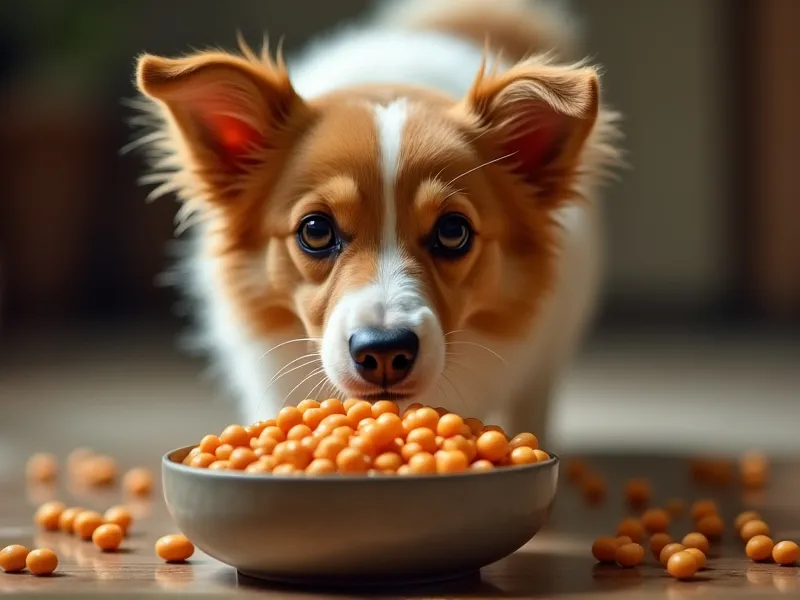
Table of Contents
- Can Dogs Eat Cooked Beans? The Short Answer
- The Nutritional Benefits of Cooked Beans for Dogs
- Risks and Precautions: When Beans Might Be Harmful
- How Much Cooked Beans Can Dogs Safely Eat?
- Healthier Alternatives to Beans for Dogs
- Frequently Asked Questions (FAQ)
- Conclusion: Beans as a Treat, Not a Staple
1. Can Dogs Eat Cooked Beans? The Short Answer
Yes, most cooked beans are safe for dogs in moderation—but there are important exceptions and rules to follow. Plain, unseasoned, fully cooked beans (like black beans, pinto beans, or navy beans) can be a healthy, fiber-rich treat for your pup. However, some beans are toxic (e.g., fava beans), and others pose risks when undercooked, seasoned, or overfed.
Think of beans as you would any human food: They’re not a replacement for a balanced dog food diet, but a偶尔的 (occasional) supplement when prepared correctly.
2. The Nutritional Benefits of Cooked Beans for Dogs
Beans are nutritional powerhouses for humans, and many of those benefits extend to dogs—when served properly. Here’s why they might make a great occasional treat:
Fiber: A Digestive Superstar
Cooked beans are loaded with soluble and insoluble fiber, which is fantastic for your dog’s gut health. Soluble fiber (found in oats, beans, and sweet potatoes) helps slow digestion, regulating blood sugar and keeping your dog feeling full longer. Insoluble fiber adds bulk to stool, preventing constipation and supporting regular bowel movements. For dogs with mild digestive issues (like occasional diarrhea), a small amount of cooked, plain beans can help firm up stool—though always check with your vet first!
Plant-Based Protein: Supporting Muscles and Energy
Dogs are primarily carnivores, but they can digest and use plant-based protein too. Beans are a good source of lean protein, which supports muscle repair, growth, and overall energy levels. For senior dogs or those with joint issues, protein is especially important to maintain muscle mass. However, beans shouldn’t replace high-quality animal protein (like chicken, turkey, or fish) in your dog’s diet—they’re a supplement, not a substitute.
Vitamins and Minerals Galore
Beans are packed with essential vitamins and minerals that dogs need:
- Potassium: Regulates heart rhythm, muscle function, and fluid balance.
- Iron: Helps red blood cells carry oxygen throughout the body (important for active dogs!).
- B Vitamins (Thiamine, Folate): Support brain function, energy production, and a healthy coat.
- Magnesium: Aids in bone health and enzyme function.
3. Risks and Precautions: When Beans Might Be Harmful
While most cooked beans are safe, there are several risks to watch for. Let’s break down the biggest concerns:
Added Sugars, Salt, or Seasonings
The biggest risk with beans (especially canned beans) isn’t the beans themselves—it’s what’s added to them. Canned beans often contain high levels of sodium (salt), which can lead to dehydration, high blood pressure, or kidney issues in dogs. Some also have added sugars, artificial flavors, or seasonings like garlic, onion, or chili powder—all of which are toxic to dogs. Garlic and onion, even in small amounts, can damage red blood cells, leading to anemia.
Rule of thumb: Always choose plain, unsalted, unseasoned cooked beans. If using canned beans, rinse them thoroughly under water to remove excess salt and additives.
Stomach Upset: Gas, Bloating, and Diarrhea
We’ve all heard the joke about beans causing gas—and it’s true for dogs too! Beans contain oligosaccharides, a type of carbohydrate that dogs (and humans) can’t fully digest. When these carbs ferment in the gut, they produce gas, leading to bloating, discomfort, or flatulence. For dogs with sensitive stomachs, this can escalate to diarrhea or vomiting, especially if they eat too many beans at once.
Small dogs or those prone to digestive issues are more likely to struggle, so start with tiny portions and monitor their reaction.
Choking Hazards: Size and Texture Matter
Whole beans (like large kidney beans or lima beans) can pose a choking risk, especially for small breeds or dogs who gulp their food. To reduce this risk, mash or chop beans into smaller pieces before serving. Undercooked beans are also harder and more likely to get stuck, so always ensure beans are fully soft and tender.
Toxic Beans: Avoid These Varieties
Not all beans are safe! A few types are toxic or dangerous for dogs:
- Fava Beans (Broad Beans): Can cause hemolytic anemia in some dogs, especially those with a genetic enzyme deficiency (like G6PD deficiency). Symptoms include lethargy, jaundice, and dark urine.
- Raw Kidney Beans: Contain lectins, a toxic protein that can cause vomiting, diarrhea, and abdominal pain. Cooking kidney beans at high heat for at least 10 minutes destroys lectins, so only serve fully cooked kidney beans.
- Uncooked or Dried Beans: Raw beans (of any kind) are hard to digest, contain lectins, and can cause intestinal blockages. Always cook beans thoroughly before feeding.
4. How Much Cooked Beans Can Dogs Safely Eat?
“Moderation” is the key word here. Beans should never make up more than 10% of your dog’s daily calorie intake—they’re a treat, not a meal. The exact portion depends on your dog’s size, age, and activity level:
Small Breeds (Under 20 lbs): 1–2 Tablespoons, Once or Twice a Week
Dogs like Chihuahuas, Pomeranians, or Shih Tzus have tiny tummies and lower calorie needs. A tablespoon of cooked, mashed beans (about the size of a ping-pong ball) is plenty. Too much can lead to gas or diarrhea.
Medium Breeds (20–50 lbs): 2–3 Tablespoons, Once or Twice a Week
For Beagles, Bulldogs, or Cocker Spaniels, 2–3 tablespoons of cooked beans (roughly the size of a golf ball) is a safe portion. Mix them into their regular food or serve as a standalone treat.
Large Breeds (50+ lbs): ¼–½ Cup, Once or Twice a Week
Labradors, German Shepherds, or Great Danes can handle a bit more—up to ½ cup of cooked beans (about the size of a tennis ball). Still, stick to occasional servings to avoid stomach upset.
Pro tip: If you’re unsure, start with a tiny portion (1 teaspoon for small dogs, 1 tablespoon for large dogs) and monitor your dog for 24 hours. If they have no gas, diarrhea, or vomiting, you can gradually increase the serving size.
5. Healthier Alternatives to Beans for Dogs
If your dog doesn’t tolerate beans well (or you just want to mix things up), these alternatives offer similar benefits with fewer risks:
Lentils
Lentils cook faster than beans, are easier to digest, and cause less gas. They’re high in fiber, protein, and iron—great for dogs with sensitive stomachs. Try cooked, plain green or brown lentils mixed into their food.
Chickpeas (Garbanzo Beans)
Chickpeas are a hit with many dogs! They’re lower in oligosaccharides (so less gas) and packed with fiber, protein, and folate. Roast them (without salt or oil) for a crunchy treat, or mash them into a paste for a spread.
Green Peas
Frozen or fresh green peas are a dog favorite. They’re low in calories, high in fiber, and rich in vitamins A, C, and K. Peas are often included in commercial dog foods, so they’re a safe bet for most pups.
Sweet Potatoes
For fiber and vitamins, sweet potatoes are unbeatable. They’re gentle on the stomach, support eye health (vitamin A), and taste delicious. Bake or boil them, mash, and serve as a treat.
Plain Pumpkin (Canned, Not Pie Filling)
Pumpkin is famous for aiding digestion. It’s high in fiber and beta-carotene, and most dogs love the sweet taste. A tablespoon (small dogs) to ¼ cup (large dogs) of plain pumpkin can soothe an upset stomach or prevent constipation.
6. Frequently Asked Questions (FAQ)
Q: Can dogs eat canned beans?
A: Yes, but only if they’re plain, unsalted, and unseasoned. Rinse canned beans thoroughly under water to remove excess sodium and additives (like sugar or preservatives). Avoid canned beans with sauces, spices, or “low-sodium” labels that still contain salt—always check the ingredients list!
Q: Are refried beans safe for dogs?
A: No. Refried beans are usually cooked with lard, salt, garlic, onion, or spices (like cumin), all of which are harmful to dogs. They’re also high in fat, which can cause pancreatitis. Stick to plain, home-cooked beans instead.
Q: Can puppies eat cooked beans?
A: Puppies have developing digestive systems, so introduce beans slowly and in tiny portions. A teaspoon of mashed, cooked beans (for small breeds) or 1–2 tablespoons (for large breeds) is enough. If your puppy gets gassy or has diarrhea, hold off until they’re older.
Q: My dog ate too many beans—what should I do?
A: If your dog gobbled up a bowl of beans, monitor them for symptoms like bloating, excessive gas, diarrhea, or vomiting. Most mild cases resolve on their own with rest. If symptoms are severe (e.g., lethargy, loss of appetite, or abdominal pain), contact your vet—they may recommend anti-gas medication or fluids.
Q: Can dogs with diabetes eat beans?
A: Beans are high in fiber, which can help regulate blood sugar, but they also contain carbohydrates. If your dog has diabetes, ask your vet before feeding beans—they’ll help you adjust portions to avoid spiking blood glucose levels.
7. Conclusion: Moderation is Key, and When to Consult Your Vet
Cooked beans can be a healthy, tasty treat for dogs—rich in fiber, protein, and vitamins—when served plain, fully cooked, and in moderation. Avoid toxic varieties (like fava beans), skip the salt and seasonings, and start with small portions to test your dog’s tolerance.
As with any new food, it’s always best to consult your vet before adding beans to your dog’s diet, especially if they have health issues (like kidney disease, diabetes, or digestive disorders). Your vet can help you tailor portions to your dog’s unique needs.
At the end of the day, sharing a tiny spoonful of cooked beans with your pup (while you enjoy your chili) is a sweet way to bond—just remember: treats, not meals, and always keep their safety first!
References
- American Kennel Club (AKC). “Can Dogs Eat Beans?” akc.org
- PetMD. “Beans for Dogs: Are They Safe?” petmd.com
- Veterinary Centers of America (VCA). “Foods Toxic to Dogs.” vcahospitals.com
- ASPCA Animal Poison Control Center. “Toxic and Non-Toxic Plants and Foods.” aspca.org