· 7 min read
Can Dogs Eat Bean Sprouts? A Pet Parent’s Guide to Crunchy, Nutritious Treats
It’s a lazy Saturday afternoon, and you’re whipping up a fresh stir-fry or a vibrant salad. Among the ingredients, there’s a bowl of crisp, juicy bean sprouts—tender, packed with crunch, and so good for you. Then you feel a wet nose nudge your hand: your dog, ever the opportunist, is eyeing those sprouts like they’re the best thing since sliced bread. “Can I share a little?” you wonder. After all, bean sprouts are loaded with vitamins for humans… but are they safe for our four-legged companions?
If you’ve ever asked yourself, “Can dogs eat bean sprouts?” you’re not alone. Pet parents are always on the hunt for healthy, low-calorie treats to spoil their pups, and bean sprouts seem like a natural fit. But before you toss a handful to your furry friend, let’s dive into the details: Are bean sprouts safe? What benefits do they offer? And are there any risks to watch out for? Let’s dig in.
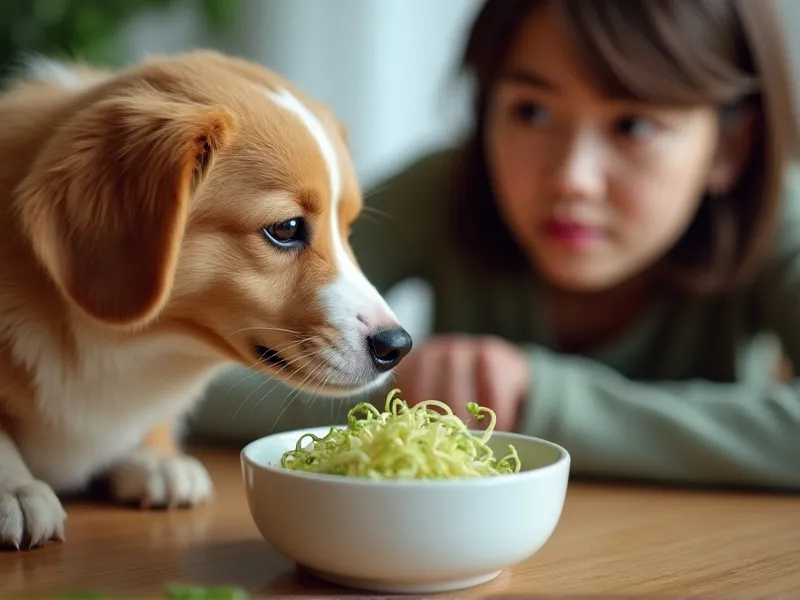
Table of Contents
- Can Dogs Eat Bean Sprouts? The Short Answer
- Nutritional Benefits of Bean Sprouts for Dogs
- Potential Risks: What to Watch For
- How Much Bean Sprouts Can Dogs Safely Eat?
- Healthier Alternatives to Bean Sprouts
- FAQ: Your Bean Sprout Questions Answered
- Conclusion: Sprouts in Moderation, Love Always
- References
Can Dogs Eat Bean Sprouts? The Short Answer
Yes, dogs can eat bean sprouts—in moderation. Bean sprouts (like mung bean or alfalfa sprouts) are non-toxic to dogs and can even offer some nutritional perks. However, they’re not a “superfood” for pups, and there are important caveats to keep in mind (more on that later). Think of them as a occasional, crunchy snack, not a staple in your dog’s diet.
Nutritional Benefits of Bean Sprouts for Dogs
Bean sprouts are more than just a crunchy addition to your salad—they’re surprisingly nutrient-dense. Here’s how they might benefit your pup:
1. Vitamins for Overall Health
Bean sprouts are rich in vitamins that support your dog’s well-being:
- Vitamin A: Essential for eye health, immune function, and healthy skin/coat.
- Vitamin C: A powerful antioxidant that boosts immunity and helps fight inflammation. (Dogs produce some vitamin C on their own, but extra can support aging or stressed pups.)
- Vitamin K: Important for blood clotting and bone health, especially in senior dogs.
2. Fiber for Digestive Health
Fiber is key for keeping your dog’s gut happy, and bean sprouts deliver a decent amount. Soluble fiber helps regulate blood sugar and supports beneficial gut bacteria, while insoluble fiber adds bulk to stool, preventing constipation. Just be cautious—too much fiber can lead to digestive upset (we’ll cover that in risks!).
3. Potassium for Heart and Muscle Function
Potassium is an electrolyte that helps maintain healthy heart rhythm, muscle contraction, and fluid balance. For active dogs, this mineral is especially important to replace after exercise.
4. Low in Calories and Fat
If your dog needs to shed a few pounds, bean sprouts are a great low-calorie treat option. A cup of mung bean sprouts has only about 31 calories and less than 1 gram of fat—perfect for rewarding your pup without packing on the pounds.
Potential Risks: What to Watch For
While bean sprouts are generally safe, they’re not without risks. Here’s what to keep in mind before sharing:
1. Digestive Upset (Gas, Diarrhea, or Bloating)
Dogs’ digestive systems aren’t built to handle large amounts of raw, fibrous foods. Bean sprouts are high in fiber, and too much can lead to:
- Gas (hello, stinky dog farts!)
- Loose stools or diarrhea
- Bloating (which can be serious in deep-chested breeds like Great Danes or Boxers).
2. Choking Hazard
Bean sprouts are small and slippery, but their stringy texture can pose a choking risk—especially for small dogs or pups who gulp their food. Always chop sprouts into bite-sized pieces to reduce this risk.
3. Pesticides or Bacterial Contamination
Raw sprouts (including bean sprouts) are prone to bacterial growth like Salmonella or E. coli because they’re grown in warm, moist conditions. These bacteria can make both humans and dogs sick. To minimize risk:
- Wash sprouts thoroughly under cold water.
- Consider cooking them (steaming or boiling for a minute) to kill bacteria.
4. High Potassium for Dogs with Kidney Issues
Bean sprouts contain potassium, which is healthy for most dogs. But for dogs with kidney disease, high-potassium foods can be dangerous—damaged kidneys can’t filter excess potassium, leading to a life-threatening condition called hyperkalemia. If your dog has kidney issues, skip the sprouts and consult your vet first.
How Much Bean Sprouts Can Dogs Safely Eat?
The golden rule for treats: They should make up no more than 10% of your dog’s daily calories. For bean sprouts, portion size depends on your dog’s weight:
| Dog Size | Recommended Serving (Occasional Treat) |
|---|---|
| Small (5–10 lbs) | 1–2 tablespoons (chopped) |
| Medium (30–50 lbs) | 2–3 tablespoons (chopped) |
| Large (60+ lbs) | 3–4 tablespoons (chopped) |
Pro Tip: Introduce sprouts slowly. Start with 1–2 small pieces and monitor your dog for 24 hours. If they show no signs of upset (vomiting, diarrhea, gas), you can gradually increase the portion (within the guidelines above).
Healthier Alternatives to Bean Sprouts
Bean sprouts are okay, but these veggies are often easier to digest, more nutrient-dense, or lower-risk for dogs:
1. Carrots (Cooked or Raw)
- Why: Crunchy, low-calorie, and packed with beta-carotene (which converts to vitamin A). They’re also great for dental health—chewing raw carrots helps scrape plaque!
- Bonus: No choking risk if cut into sticks, and most dogs love the sweet taste.
2. Green Beans (Steamed or Raw)
- Why: High in fiber, vitamins A and C, and iron. They’re also low in calories, making them ideal for weight management.
- Bonus: Steaming softens them for senior dogs, while raw green beans make a satisfying crunch.
3. Sweet Potato (Cooked)
- Why: A nutritional powerhouse! Rich in vitamins A, C, and B6, plus fiber and antioxidants. Cooked sweet potato is easy to digest and gentle on sensitive tummies.
- Avoid: Raw sweet potato (hard to digest) or added sugars/toppings.
4. Pumpkin (Plain, Cooked)
- Why: Canned or cooked pumpkin (not pie filling!) is a go-to for digestive issues. It’s high in fiber and beta-carotene, and most dogs find it delicious.
- Bonus: Helps with both diarrhea and constipation.
FAQ: Your Bean Sprout Questions Answered
Q: Are raw bean sprouts better than cooked for dogs?
A: Cooked sprouts are often safer. Cooking kills bacteria (like Salmonella) and softens the fiber, making them easier to digest. Raw sprouts are okay in small amounts, but cooking reduces risk.
Q: Can puppies eat bean sprouts?
A: Puppies have sensitive tummies, so stick to tiny portions (1–2 chopped pieces for small breeds). Wait until they’re at least 6 months old and their digestive system is more mature.
Q: My dog ate a whole bowl of bean sprouts! What should I do?
A: Don’t panic, but monitor them closely. Symptoms of overindulgence include diarrhea, vomiting, or bloating. If these last more than 24 hours, or if your dog seems lethargic, contact your vet.
Q: Are all types of bean sprouts safe?
A: Stick to common varieties like mung bean, alfalfa, or broccoli sprouts (yes, broccoli sprouts are safe too!). Avoid sprouts with added salt, garlic, or seasonings—these are toxic to dogs.
Q: Can bean sprouts help my dog lose weight?
A: They’re low-calorie, so they can be a better alternative to high-fat treats. But they’re not a weight-loss solution on their own—pair with a balanced diet and exercise.
Conclusion: Sprouts in Moderation, Love Always
Bean sprouts can be a fun, crunchy treat for your dog—just remember: moderation is key. They offer vitamins and fiber, but too many can cause digestive chaos, and raw sprouts carry bacterial risks. When in doubt, cook them, chop them, and start small.
And if your dog turns up their nose at sprouts? No problem! There are plenty of other veggies (like carrots or sweet potato) that are safer and more appealing to pups.
As always, every dog is different. If your dog has health issues (like kidney disease) or you’re unsure about adding sprouts to their diet, chat with your vet first. They know your pup’s unique needs best.
At the end of the day, the best treat for your dog is your time and love—sprouts are just a little extra crunch on top.
References
- American Kennel Club (AKC). “Can Dogs Eat Bean Sprouts?” AKC.org
- PetMD. “Human Foods Dogs Can and Can’t Eat.” PetMD.com
- Veterinary Centers of America (VCA). “Nutrition for Dogs.” VCAHospitals.com
- Cummings School of Veterinary Medicine at Tufts University. “Fiber in Dog Food: Why It Matters.” Tufts.edu