· 8 min read
Can Dogs Eat Bean Soup? A Pet Parent’s Guide to Safe, Tasty Treats
It’s a crisp fall evening, and you’re cozied up with a steaming bowl of bean soup—rich, hearty, and packed with flavor. Beside you, your dog sits, tail thumping a steady rhythm against the floor, their eyes locked on your spoon. You pause, wondering: Is this warm, comforting meal something I can share with my furry friend?
As pet parents, we’ve all been there. We want to treat our dogs to the same joys we enjoy, but safety always comes first. Bean soup, a staple in many households, is a nutrient-dense human food—but is it safe for dogs? Let’s dive into the details, from potential benefits to hidden risks, and help you make the best choice for your pup.
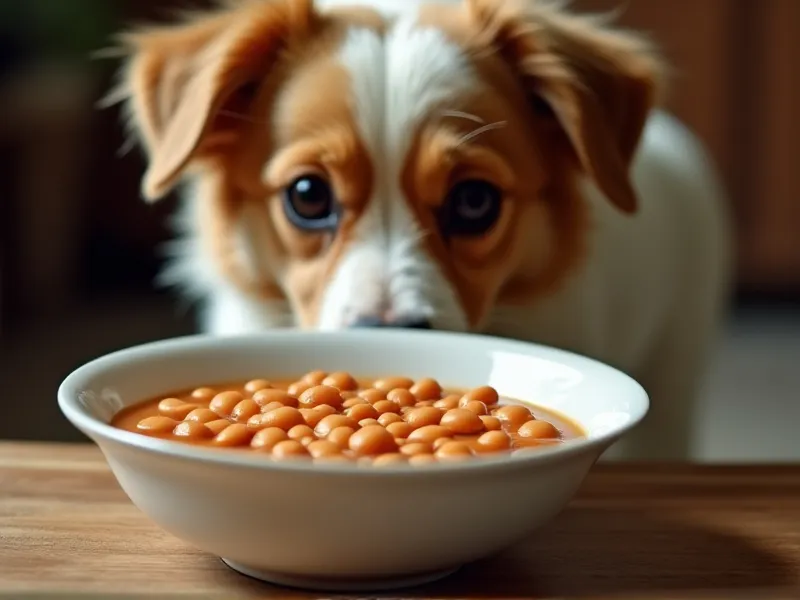
Table of Contents
- The Short Answer: Can Dogs Eat Bean Soup?
- The Benefits of Bean Soup for Dogs (When Done Right)
- The Risks: What Makes Bean Soup Dangerous for Dogs?
- Safe Feeding Guidelines: How Much Bean Soup Can Dogs Eat?
- Healthier Alternatives to Bean Soup
- FAQ: Your Bean Soup Questions Answered
- Conclusion: Warmth, Moderation, and Love
The Short Answer: Can Dogs Eat Bean Soup?
Yes, but with big caveats. Bean soup itself isn’t inherently toxic to dogs, but its safety depends entirely on what’s in it and how it’s prepared. A plain, homemade bean soup—cooked with nothing but beans, water, and a dash of unsalted broth—can be a safe, occasional treat for most dogs. However, many store-bought or restaurant bean soups contain ingredients that are harmful (or even toxic) to pups, like onions, garlic, excessive salt, or spices.
In short: Proceed with caution, and always prioritize your dog’s unique needs.
The Benefits of Bean Soup for Dogs (When Done Right)
When prepared safely, bean soup can offer some nutritional perks for your dog. Let’s break down the key benefits:
1. Fiber for Digestive Health
Beans are a fantastic source of dietary fiber, which helps regulate your dog’s digestion. Fiber promotes healthy bowel movements, prevents constipation, and can even support gut bacteria balance. For dogs with mild digestive issues (like occasional constipation), a small spoonful of plain bean soup (with well-cooked beans) might offer gentle relief.
2. Plant-Based Protein
While dogs are primarily carnivores, they can digest and benefit from small amounts of plant-based protein. Beans (like black beans, kidney beans, or lentils) are rich in protein, which supports muscle maintenance, tissue repair, and overall energy levels. This makes bean soup a nice complement to your dog’s regular (meat-based) diet—in moderation.
3. Essential Minerals
Beans are packed with minerals dogs need, including:
- Potassium: Supports heart health, muscle function, and fluid balance.
- Iron: Helps transport oxygen in the blood (important for energy).
- Magnesium: Aids in nerve function and bone health.
These minerals are especially beneficial for active dogs or senior pups who may need a little extra support.
4. Low in Fat (When Unsweetened)
Unlike fatty human foods (like bacon or cheese), plain bean soup is low in fat—making it a lighter treat option for dogs watching their weight. Just be sure to skip any added fats (like butter or oil) when preparing it for your pup.
The Risks: What Makes Bean Soup Dangerous for Dogs?
The biggest risks with bean soup come from ingredients, not the beans themselves. Let’s unpack the most common dangers:
1. Toxic Ingredients: Onions, Garlic, and Chives
Onions, garlic, leeks, and chives are part of the Allium family, and they’re toxic to dogs—even in small amounts. These ingredients damage red blood cells, leading to a condition called hemolytic anemia, which can cause weakness, lethargy, pale gums, or even organ failure.
Many bean soups (especially hearty, “home-style” versions) include onions or garlic for flavor. Always check labels or recipes—if these ingredients are present, keep the soup far from your dog.
2. Excessive Salt
Salt is a major concern in processed or restaurant soups. Dogs have much lower salt tolerance than humans: Just 1-2 grams of salt per pound of body weight can cause sodium ion poisoning in dogs, leading to symptoms like vomiting, diarrhea, excessive thirst, seizures, or even death.
Store-bought bean soups often contain high levels of sodium (to enhance flavor), and even homemade soups may have more salt than is safe for your pup. When in doubt, opt for unsalted broth or water when making bean soup for your dog.
3. Gas and Stomach Upset
Beans are infamous for causing gas in humans—and dogs are no exception. The complex sugars in beans (like raffinose) can be hard for dogs to digest, leading to bloating, flatulence, or stomach cramps. This is especially true if your dog isn’t used to beans, or if they eat too much at once.
4. Choking Hazards
Whole beans (even cooked ones) can pose a choking risk, especially for small dogs or those who gulp their food. If the soup contains large, unmashed beans, your dog might swallow them whole, leading to choking or intestinal blockages. To avoid this, mash the beans slightly or opt for a smooth, pureed soup.
5. Added Sugars or Spices
Some bean soups (like “sweet and savory” varieties) include added sugars, honey, or spices (like chili powder, paprika, or cumin). Sugar can lead to obesity, dental issues, or diabetes in dogs, while spices may irritate their digestive tracts (causing vomiting or diarrhea).
Safe Feeding Guidelines: How Much Bean Soup Can Dogs Eat?
If you want to share bean soup with your dog, follow these rules to keep them safe:
1. Stick to Homemade (and Simple)
Avoid store-bought or restaurant soups—they’re almost always high in salt, additives, or toxic ingredients. Instead, make a small batch at home using:
- Well-cooked beans (black, kidney, pinto, or lentils—never raw; raw beans contain lectins, which can cause vomiting).
- Water or unsalted, low-sodium broth (chicken or vegetable, no onions/garlic).
- No added salt, spices, sugar, or fats.
2. Portion Control is Key
Bean soup should be an occasional treat, not a meal replacement. The amount depends on your dog’s size:
- Small dogs (under 20 lbs): 1–2 tablespoons, once every 1–2 weeks.
- Medium dogs (20–50 lbs): 2–4 tablespoons, once weekly.
- Large dogs (50+ lbs): Up to ¼ cup, once weekly.
Overfeeding can lead to gas, bloating, or diarrhea—so start small and monitor their reaction.
3. Check for Allergies or Sensitivities
Some dogs may be sensitive to beans. If your dog has never had beans before, offer just a tiny spoonful first and wait 24 hours. Watch for signs of an allergic reaction, like itching, hives, vomiting, or diarrhea. If any symptoms appear, skip the soup and consult your vet.
4. Cool It Down
Hot soup can burn your dog’s mouth or throat. Always let the soup cool to room temperature before serving.
Healthier Alternatives to Bean Soup
If you’re unsure about bean soup, or if your dog has a sensitive stomach, there are safer, simpler alternatives that offer similar benefits:
1. Plain Cooked Beans
Skip the soup altogether and serve a spoonful of plain, cooked beans (mashed or whole, depending on size). This avoids the risk of broth-related issues (like salt) and lets you control the portion exactly.
2. Pumpkin Puree
Canned pumpkin (unsweetened, no added spices) is a dog favorite! It’s rich in fiber (great for digestion) and beta-carotene (supports eye health). Mix a spoonful into your dog’s kibble for a tasty, safe treat.
3. Sweet Potato
Cooked sweet potato (no butter, sugar, or spices) is packed with vitamins A, C, and fiber. It’s gentle on the stomach and makes a great low-calorie snack.
4. Green Beans
Raw or steamed green beans are low in calories, high in fiber, and crunchy—perfect for dogs who love to chew. They’re also a great weight-loss treat for pups on a diet!
FAQ: Your Bean Soup Questions Answered
Q: Can dogs eat canned bean soup?
A: No, generally not. Most canned bean soups are high in salt, preservatives, and often contain onions or garlic. Even “low-sodium” versions may have more salt than is safe for dogs.
Q: My dog ate bean soup with onions—what should I do?
A: Contact your vet immediately. Onions are toxic, and symptoms (like weakness or pale gums) can take 2–5 days to appear. The sooner your dog is treated, the better the outcome.
Q: Are all beans safe for dogs?
A: Most beans are safe when cooked, but avoid raw kidney beans (they contain lectins, which are toxic if undercooked). Stick to black beans, pinto beans, lentils, or chickpeas—all safe in moderation.
Q: Can puppies eat bean soup?
A: Puppies have sensitive digestive systems, so it’s best to avoid bean soup. Their diet should focus on nutrient-dense puppy food to support growth.
Conclusion: Warmth, Moderation, and Love
Sharing a small, safe portion of bean soup with your dog can be a sweet way to bond—especially on a cold day. Just remember: Always prioritize their health by avoiding toxic ingredients, keeping portions tiny, and monitoring their reaction.
When in doubt, consult your vet. They know your dog’s unique needs (like allergies, age, or health conditions) and can help you decide if bean soup is a good fit.
At the end of the day, the best treat for your pup is your love and attention—but a warm spoonful of safe bean soup? That’s just the cherry on top.
Stay cozy, and happy (safe) sharing!
References
- American Society for the Prevention of Cruelty to Animals (ASPCA). “Toxic and Non-Toxic Plants” (includes Allium family info).
- American Kennel Club (AKC). “Can Dogs Eat Beans? What You Need to Know”.
- VCA Hospitals. “Sodium Ion Toxicosis in Dogs”.
- PetMD. “Human Foods Dogs Can and Can’t Eat”.