· 7 min read
Can Dogs Eat Beans? A Pet Parent’s Guide to Safe Snacking
It’s a familiar scene: You’re stirring a pot of black bean soup, and your dog—let’s call her Luna—plops down at your feet, nose twitching, tail thumping like a metronome. “Just a little taste?” you think. Beans are packed with fiber and protein for you, but are they safe for your pup? As pet parents, we want to share the best parts of our meals with our fur babies, but not all human foods are dog-friendly.
In this guide, we’ll break down everything you need to know about feeding beans to dogs: which types are safe, the potential benefits, hidden risks, and how to serve them (if at all). Let’s dig in!
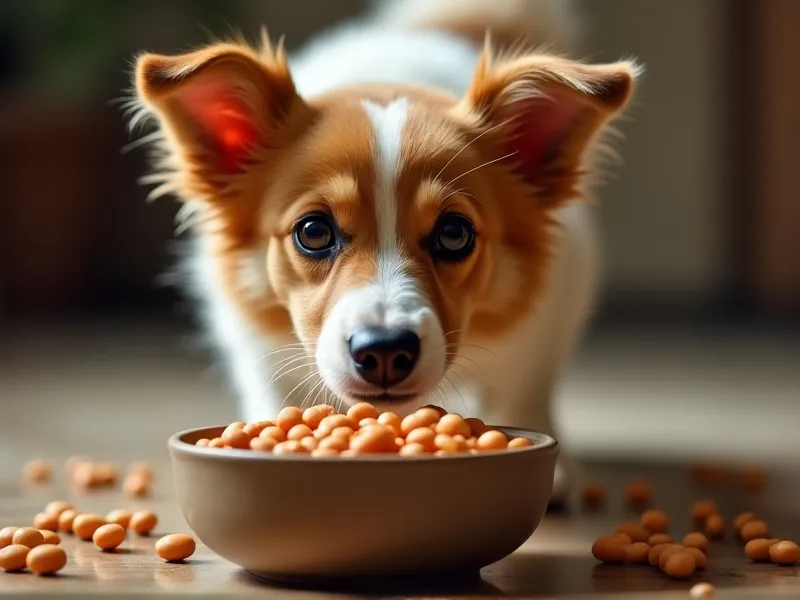
Table of Contents
- Can Dogs Eat Beans? The Short Answer
- The Benefits of Beans for Dogs
- Risks to Watch Out For
- How Much Beans Can Dogs Safely Eat?
- Healthier Alternatives to Beans
- FAQ: Your Beans & Dogs Questions Answered
- Conclusion: Moderation is Key
- References
Can Dogs Eat Beans? The Short Answer
Yes, most beans are safe for dogs to eat in moderation—but there are exceptions. Plain, cooked beans (like black beans, pinto beans, or chickpeas) can be a healthy occasional treat, packed with nutrients like fiber, potassium, and plant-based protein. However, some beans are toxic (e.g., raw kidney beans), and all beans become risky when seasoned with sugar, salt, garlic, or onions.
Think of beans as a “sometimes food,” not a daily staple. Let’s explore why they can be beneficial—and when to steer clear.
The Benefits of Beans for Dogs
Beans aren’t just a pantry staple for humans—they offer some impressive perks for dogs, too. Here’s how they can support your pup’s health when served correctly:
1. Nutrient Powerhouse
Beans are loaded with vitamins and minerals that complement a balanced dog diet. For example:
- Iron: Helps red blood cells carry oxygen (important for energy levels).
- Folate (B9): Supports cell repair and growth, especially in puppies.
- B Vitamins (Thiamine, Riboflavin): Boost metabolism and brain function.
- Magnesium: Aids muscle and nerve function, and supports bone health.
2. Fiber for Digestive Health
Fiber is a dog’s best friend—and beans are rich in it. Soluble fiber (found in oats, beans, and apples) helps slow digestion, regulating blood sugar and keeping your pup full longer. Insoluble fiber (also in beans) adds bulk to stool, preventing constipation.
A small serving of cooked beans can help dogs with mild digestive issues, like occasional diarrhea or irregular bowel movements. Just don’t overdo it—too much fiber can backfire (more on that later!).
3. Potassium for Heart & Muscles
Potassium is essential for heart health, muscle contraction, and fluid balance. Dogs need this mineral to keep their hearts pumping steadily and their muscles (like those wagging tails!) working properly. Beans, especially white beans and chickpeas, are a great plant-based source of potassium.
4. Plant-Based Protein (As a Supplement)
While dogs are primarily carnivores, they can benefit from small amounts of plant-based protein. Beans offer protein that’s low in fat and cholesterol, making them a good occasional addition for overweight dogs or those on a low-fat diet.
Note: Beans shouldn’t replace animal protein (like chicken, beef, or fish) in your dog’s diet. Dogs need amino acids found only in meat to thrive.
Risks to Watch Out For
Not all beans are created equal, and even “safe” beans can cause problems if prepared or portioned incorrectly. Here are the biggest risks to avoid:
1. Toxic Beans: Raw Kidney Beans & More
Some beans are never safe for dogs—even in small amounts. The biggest culprit? Raw kidney beans. They contain high levels of lectins, a harmful protein that can cause vomiting, diarrhea, and even kidney damage if eaten raw or undercooked.
Other beans to avoid:
- Fava beans: Can cause anemia in dogs with a genetic enzyme deficiency (rare, but possible).
- Lima beans: Raw lima beans contain cyanide compounds (though cooking neutralizes them—still, better to skip).
2. Added Sugars, Salt, & Seasonings
Canned beans, baked beans, or “flavored” beans (like chili beans) are a no-go. These often have:
- Sugar: Leads to obesity, dental issues, or even diabetes.
- Salt: Excess sodium causes dehydration, high blood pressure, or kidney strain (dogs need only ~100mg sodium per 100kcal of food).
- Toxic additives: Garlic, onions, or chives (even in small amounts) can damage red blood cells, leading to anemia.
3. Stomach Upset (Hello, Gas!)
Beans are famous for causing gas in humans—and dogs are no exception. Their digestive systems aren’t built to break down large amounts of plant fiber quickly, which can lead to:
- Bloating
- Flatulence (smelly, but usually harmless)
- Diarrhea or loose stools
- Abdominal discomfort
Dogs with sensitive stomachs (like those with IBS or food allergies) are especially prone to this. Start with tiny portions to test tolerance!
4. Choking Hazards
Uncooked beans are hard and dry, making them a choking risk—especially for small dogs. Even cooked beans can be problematic if they’re large (e.g., whole kidney beans) or served in chunks. Always mash or chop beans for small breeds, and supervise your dog while they snack.
How Much Beans Can Dogs Safely Eat?
The golden rule: Treat, not meal. Beans should make up no more than 10% of your dog’s daily calories. Here’s a rough guide based on size:
| Dog Size | Cooked, Plain Beans (Occasional Treat) |
|---|---|
| Small (5-20 lbs) | 1–2 tablespoons |
| Medium (20-50 lbs) | 2–3 tablespoons |
| Large (50+ lbs) | 3–4 tablespoons |
Example: A 30-lb medium dog (e.g., a Beagle) eating 600 calories daily can have ~2–3 tbsp of beans (about 30–45 calories) as a treat.
Tips for serving:
- Cook beans thoroughly (boil for at least 10 minutes to neutralize lectins).
- Mash or chop for small dogs to prevent choking.
- Serve plain: No butter, salt, sugar, or spices.
- Introduce slowly: Start with 1 tsp, then wait 24 hours to check for gas or diarrhea.
Healthier Alternatives to Beans
If your dog struggles with beans (or you just want variety), these alternatives offer similar benefits with fewer risks:
1. Green Beans
Why they’re great: Low in calories, high in fiber, and packed with vitamins A, C, and K. Green beans are crunchy, easy to digest, and make a perfect low-fat treat for overweight dogs. Serve them raw (chopped for small breeds) or steamed.
2. Lentils
Why they’re great: Smaller and easier to digest than beans, lentils offer fiber, protein, and iron. Cooked, plain lentils are gentle on tummies and can even be mixed into kibble for extra nutrition.
3. Pumpkin (Plain, Canned)
Why they’re great: Fiber-rich pumpkin soothes upset stomachs and regulates digestion. It’s also low in calories and high in beta-carotene (which converts to vitamin A). Serve 1–2 tbsp (plain, no added sugar or spices) for most dogs.
4. Sweet Potatoes
Why they’re great: A nutrient-dense alternative to beans, sweet potatoes are high in fiber, vitamin A, and antioxidants. Bake or boil them plain, then mash or dice as a treat.
FAQ: Your Beans & Dogs Questions Answered
Q: Can dogs eat black beans?
A: Yes! Plain, cooked black beans are safe in small amounts. They’re high in fiber and protein—just avoid canned black beans with added salt.
Q: What about chickpeas (garbanzo beans)?
A: Chickpeas are a great choice! They’re lower in gas-inducing sugars than some beans and rich in fiber and potassium. Try roasting plain, cooked chickpeas for a crunchy treat (cool first to avoid burns).
Q: Are baked beans safe for dogs?
A: No. Baked beans are loaded with sugar, molasses, and salt—all harmful to dogs. Some brands also add onions or garlic, which are toxic.
Q: Can puppies eat beans?
A: Puppies have sensitive tummies, so wait until they’re at least 6 months old (and on a solid diet) to try beans. Start with 1 tsp of mashed, cooked beans and watch for digestive upset.
Q: My dog ate raw kidney beans—what should I do?
A: Raw kidney beans contain lectins, which can cause vomiting, diarrhea, or lethargy. If your dog ate a handful, contact your vet immediately. Most cases resolve with supportive care (fluids, anti-nausea meds), but prompt action is key.
Conclusion: Moderation is Key
Beans can be a healthy, budget-friendly treat for dogs—when served plain, cooked, and in small amounts. They offer fiber, nutrients, and a fun change from commercial treats. But remember: Not all beans are safe (raw kidney beans, seasoned beans), and too much can cause gas or stomach upset.
As with any new food, start small, monitor your pup, and consult your vet if you have concerns (especially if your dog has diabetes, kidney issues, or food allergies). When in doubt, stick to safer alternatives like green beans or pumpkin.
Your dog’s tail will wag just as hard for a plain, cooked bean as it will for a fancy treat—promise!
References
- American Kennel Club (AKC). “Can Dogs Eat Beans?” akc.org/expert-advice/nutrition/can-dogs-eat-beans
- American Society for the Prevention of Cruelty to Animals (ASPCA). “Toxic and Non-Toxic Plants.” aspca.org/pet-care/animal-poison-control/toxic-and-non-toxic-plants
- PetMD. “Human Foods Dogs Can and Can’t Eat.” petmd.com/dog/nutrition/human-foods-dogs-can-and-cant-eat
- Veterinary Centers of America (VCA). “Dietary Fiber for Dogs.” vcahospitals.com/know-your-pet/dietary-fiber-for-dogs