· 7 min read
Can Dogs Eat BBQ Ribs? The Surprising Truth Every Pet Parent Should Know
It’s a sunny Saturday afternoon, and the grill is sizzling. You’re flipping a rack of sticky, smoky BBQ ribs, and suddenly, you feel a wet nose nudge your hand. Your dog—tail thumping, eyes wide—sits at your feet, begging like they’ve never eaten in their life. “Just a tiny bite won’t hurt, right?” you think.
But before you toss them a rib, let’s get real: BBQ ribs are a human favorite, but are they safe for dogs? We’re breaking down the risks, the (very few) potential benefits, and what you should feed your pup instead. Spoiler: Those puppy eyes might be hard to resist, but your dog’s health is worth saying “no” to the rib.
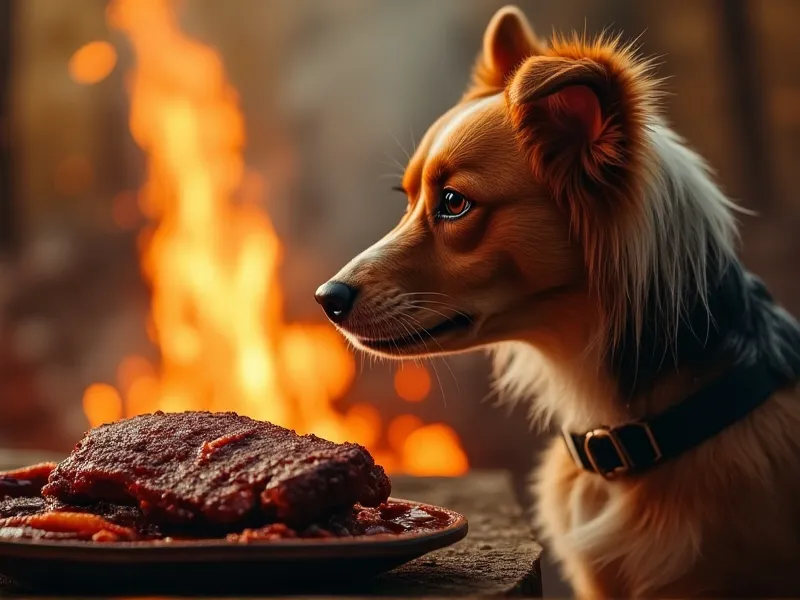
Table of Contents
- Can Dogs Eat BBQ Ribs? The Short Answer
- Potential Benefits of Rib Meat (But With a Big Caveat)
- The Risks of BBQ Ribs for Dogs: Why They’re a No-Go
- If You Must Share: How Much (If Any) Is Safe?
- Healthier Alternatives to BBQ Ribs
- FAQ: Your Burning Questions Answered
- Conclusion: Prioritize Safety Over Puppy Eyes
- References
Can Dogs Eat BBQ Ribs? The Short Answer
No, dogs should not eat BBQ ribs.
While plain, unseasoned, boneless ribs (think: just cooked meat, no sauce, no bones) might offer a tiny nutritional boost, the typical BBQ rib is a minefield of risks. From sugary, toxic sauces to sharp bones and fatty meat, BBQ ribs can lead to choking, stomach upset, pancreatitis, or even organ damage in dogs. Let’s dig into why.
Potential Benefits of Rib Meat (But With a Big Caveat)
Before we focus on the risks, let’s acknowledge the elephant in the room: Rib meat itself (pork or beef) is not inherently toxic to dogs. In fact, lean, unseasoned meat can provide some nutrients. For example:
- Protein: Rib meat is high in protein, which supports muscle growth, immune function, and healthy skin/coat.
- Iron & Zinc: These minerals help with red blood cell production (iron) and wound healing (zinc).
- B Vitamins: Ribs contain B12 and niacin, which aid energy metabolism and brain health.
But here’s the catch: BBQ ribs are not “plain, unseasoned meat.” They’re smothered in sauce, cooked with spices, and served with bones—all of which cancel out any potential benefits. So while a tiny piece of plain, boneless, unseasoned rib meat might be safe as a rare treat, BBQ ribs? Not worth the risk.
The Risks of BBQ Ribs for Dogs: Why They’re a No-Go
Let’s break down the dangers of BBQ ribs, from the sauce to the bones.
1. BBQ Sauce: A Sugar, Salt, and Toxic Trap
BBQ sauce is the biggest offender. Most store-bought or homemade sauces are loaded with:
- Sugar: High-fructose corn syrup, honey, or brown sugar can lead to obesity, dental decay, or even diabetes in dogs. A single rib slathered in sauce might contain 5–10 grams of sugar—way more than a dog needs in a day (the average 30-pound dog should have less than 1 gram of added sugar daily, per the AKC).
- Salt: Excess sodium causes “sodium ion poisoning,” leading to vomiting, diarrhea, seizures, or kidney damage. A 30-pound dog only needs 100–200 mg of sodium daily; one rib’s sauce could have 200–300 mg.
- Toxic Ingredients: Onions, garlic, or chives are common in BBQ sauce (think: “hickory garlic” or “onion-bacon” flavors). These contain thiosulfate, which destroys a dog’s red blood cells, causing anemia. Even small amounts can be toxic.
Source: The ASPCA lists onions, garlic, and chives as toxic to dogs, with symptoms appearing within 24–72 hours.
2. Rib Bones: A Choking and Internal Perforation Hazard
Bones—even “soft” rib bones—are never safe for dogs. Here’s why:
- Choking Risk: Small rib bones can get stuck in your dog’s throat, blocking their airway.
- Splintering: When chewed, rib bones (pork especially) splinter into sharp shards that can tear the esophagus, stomach, or intestines. This can cause internal bleeding, infection, or a life-threatening blockage requiring surgery.
- Constipation or Obstruction: Even if bones don’t splinter, they can clump in the intestines, leading to painful constipation or a blockage (symptoms: lethargy, loss of appetite, vomiting).
Source: The American Veterinary Medical Association (AVMA) warns against feeding dogs any bones, citing “significant risk of injury.”
3. High Fat Content: A Recipe for Pancreatitis
Ribs are fatty—very fatty. Pork ribs have ~20 grams of fat per 3-ounce serving, and beef ribs can have up to 30 grams. Dogs’ pancreases aren’t built to process that much fat at once.
Excess fat triggers pancreatitis, an inflammation of the pancreas. Symptoms include severe vomiting, diarrhea, abdominal pain, and lethargy. Pancreatitis is often life-threatening and requires immediate vet care. Even mild cases can lead to chronic pancreas damage.
Source: The AKC notes that fatty foods like ribs are a top cause of pancreatitis in dogs.
4. Seasonings and Smoke: Irritants and Toxins
Beyond sauce, BBQ ribs are often seasoned with spices like paprika, chili powder, or black pepper. These can irritate your dog’s stomach, causing nausea or diarrhea.
Smoke from the grill is another issue. While a little smoke won’t hurt, heavy smoke inhalation (if your dog hangs out too close to the grill) can irritate their lungs, leading to coughing or difficulty breathing.
If You Must Share: How Much (If Any) Is Safe?
Let’s say you’re at a BBQ, and your dog steals a rib before you can stop them. Or maybe you’re tempted to give them a tiny bite. What should you do?
If your dog ate a BBQ rib: Monitor them closely for 24–48 hours. Watch for symptoms like choking, vomiting, diarrhea, lethargy, or loss of appetite. If any of these occur, call your vet immediately.
If you want to share meat: Stick to plain, boneless, unseasoned meat (no sauce, no spices, no bones). For example:
- A 10-pound dog: 1–2 small bites (about the size of a dime).
- A 50-pound dog: 1–2 tablespoons (no more than 10% of their daily calories).
But even then, it’s better to skip the rib meat. There are safer, healthier treats your dog will love just as much.
Healthier Alternatives to BBQ Ribs
Instead of risking BBQ ribs, try these dog-safe treats:
- Plain Cooked Meat: Boneless chicken, turkey, or lean beef (no salt, no seasoning). Bake or boil it, then chop into small pieces.
- Fruits and Veggies: Carrots, green beans, or apple slices (no seeds/core) are low-calorie, crunchy, and full of fiber.
- Dog-Specific Treats: Look for high-quality treats with real meat as the first ingredient (e.g., freeze-dried chicken or beef).
- Homemade “Ribs”: For a fun BBQ-themed treat, try baking sweet potato slices until crispy—they’re chewy, satisfying, and full of vitamins A and C.
FAQ: Your Burning Questions Answered
Q: Can dogs eat rib bones?
A: No! Rib bones splinter easily and can cause choking, internal tears, or blockages. Even “cooked” bones are dangerous—raw bones are slightly safer but still not recommended (they can carry bacteria like salmonella).
Q: What if my dog ate a rib bone?
A: Don’t induce vomiting (this can push sharp shards deeper). Instead, call your vet. They may recommend X-rays to check for blockages or monitor your dog for symptoms like lethargy or loss of appetite.
Q: Are smoked ribs safer than BBQ ribs?
A: No. Smoked ribs still have sauce, seasonings, and bones. Smoke can also irritate your dog’s lungs.
Q: Can puppies eat BBQ ribs?
A: Puppies have smaller stomachs and developing pancreases, so they’re even more at risk for pancreatitis or choking. Avoid ribs entirely.
Q: Is there any type of rib that’s safe?
A: No. Whether pork, beef, baby back, or spare ribs—all BBQ ribs come with sauce, bones, and fat, making them unsafe.
Conclusion: Prioritize Safety Over Puppy Eyes
We get it—those begging puppy eyes are hard to resist. But BBQ ribs are just not worth the risk. From toxic sauce ingredients to choking hazards, they pose too many dangers to your dog’s health.
Instead, opt for safe, healthy treats, and save the ribs for yourself. Your dog will thank you with tail wags, and you’ll have peace of mind knowing you’re keeping them happy and healthy.
When in doubt, always consult your vet before introducing new foods. They can help you choose treats that fit your dog’s age, size, and health needs.
Happy grilling—and happy, safe snacking for your pup!
References
- American Society for the Prevention of Cruelty to Animals (ASPCA). “Onions, Garlic, Chives.” aspca.org/pet-care/animal-poison-control/toxic-and-non-toxic-plants/onion.
- American Kennel Club (AKC). “Pancreatitis in Dogs.” akc.org/expert-advice/health/pancreatitis-in-dogs.
- American Veterinary Medical Association (AVMA). “Feeding Your Dog: Bones, Raw Food, and Other Risks.” avma.org/resources/pet-owners/nutrition/feeding-your-dog-bones-raw-food-and-other-risks.
- PetMD. “Can Dogs Eat Bones? What You Need to Know.” petmd.com/dog/nutrition/can-dogs-eat-bones.