· 8 min read
Can Dogs Eat BBQ? A Pet Parent’s Guide to Summer Grilling Safety
The sun is shining, the grill is fired up, and the scent of smoky ribs and charred corn fills the air—it’s BBQ season! As you gather with friends and family, your furry sidekick is likely by your feet, tail thumping, begging for a taste of the action. But before you toss them a rib or a slather of sauce, there’s a crucial question to answer: Can dogs eat BBQ?
In this guide, we’ll break down the risks, potential benefits (spoiler: there aren’t many), and safer alternatives to ensure your pup stays happy and healthy all summer long. Let’s dive in!
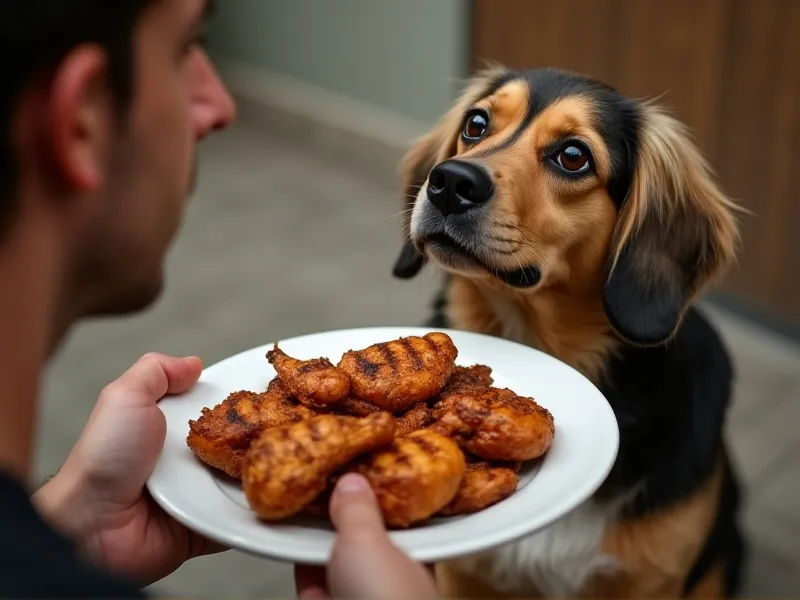
Table of Contents
- Can Dogs Eat BBQ? The Short Answer
- Potential “Benefits” of BBQ for Dogs (Spoiler: They’re Minimal)
- The Real Risks: Why BBQ Is Dangerous for Dogs
- High Fat Content & Pancreatitis
- Toxic Seasonings (Onions, Garlic, Spices)
- Sugary, Salty, and Acidic Sauces
- Choking Hazards & Internal Blockages
- Hidden Toxins (Alcohol, Chocolate, Avocado)
- If You Must Share: Guidelines for Feeding BBQ to Dogs
- Healthier Alternatives: “Dog-Friendly BBQ” Ideas
- FAQ: Your BBQ Dog Questions Answered
- Conclusion: Love Them Enough to Say “No” (Sometimes)
- References
Can Dogs Eat BBQ? The Short Answer
No, BBQ is not safe for dogs to eat regularly—and in many cases, even small amounts can be harmful.
While a tiny, unseasoned bite of plain grilled meat might not immediately hurt your dog, the typical BBQ spread is loaded with ingredients that pose serious risks: spicy sauces, high fat, toxic seasonings, choking hazards, and hidden toxins. Think of BBQ as a human indulgence best kept off your dog’s plate.
Potential “Benefits” of BBQ for Dogs (Spoiler: They’re Minimal)
Let’s start with the good news—if there’s any. In a perfect world, BBQ might include a few dog-friendly ingredients in theory. For example:
- Lean, unseasoned meat (like plain chicken or beef) could offer protein, iron, and B vitamins.
- Grilled veggies (like sweet potatoes or carrots) might provide fiber, potassium, and antioxidants.
But here’s the catch: Real-world BBQ rarely looks like this. Most grilled meats are slathered in sugary sauce, dusted with spices, or cooked with fatty marinades. Veggies might be coated in butter or served on a corn cob (a major choking hazard). So while isolated components of BBQ could have minor nutritional perks, the overall meal is far too risky to count as “beneficial.”
The Real Risks: Why BBQ Is Dangerous for Dogs
Now, let’s get to the critical part: why BBQ is a recipe for trouble. From sauces to sides, here’s what makes it unsafe:
1. High Fat Content & Pancreatitis
BBQ is all about rich, fatty foods: ribs, brisket, sausage, and even grilled cheese. Dogs’ bodies aren’t built to handle large amounts of fat—especially saturated and trans fats. A single rib or a few bites of sausage can trigger pancreatitis, a painful and potentially life-threatening condition where the pancreas becomes inflamed. Symptoms include vomiting, diarrhea, lethargy, and loss of appetite. Even mild cases require vet care, and severe pancreatitis can lead to organ failure.
2. Toxic Seasonings (Onions, Garlic, Spices)
Most BBQ rubs and marinades contain ingredients that are toxic to dogs:
- Onions and garlic: Found in many sauces, these damage red blood cells, leading to anemia. Even small amounts (like a spoonful of onion-based sauce) can cause weakness, pale gums, and rapid breathing.
- Spices like chili powder, paprika, or cayenne: These irritate your dog’s digestive tract, causing vomiting, diarrhea, or stomach ulcers.
- Salt: BBQ sauces, chips, and even grilled meats are high in sodium. Too much salt leads to dehydration, electrolyte imbalances, or sodium ion poisoning (symptoms: excessive thirst, seizures, kidney damage).
3. Sugary, Salty, and Acidic Sauces
BBQ sauce is the worst offender here. Most store-bought or homemade sauces are packed with:
- Sugar: Corn syrup, honey, or brown sugar can lead to obesity, dental decay, or even diabetes over time.
- Acidic ingredients: Vinegar or citrus (common in sauces) irritate your dog’s stomach, leading to nausea or acid reflux.
- Additives: Preservatives, artificial flavors, or xylitol (a sugar substitute toxic to dogs) may hide in “low-sugar” sauces.
4. Choking Hazards & Internal Blockages
BBQ tables are full of things that can get stuck in your dog’s throat or intestines:
- Bones: Rib bones, chicken bones, or pork bones splinter easily, tearing the esophagus, stomach, or intestines. Even “soft” bones (like ribs) are dangerous.
- Corn cobs: Dogs love to chomp on corn, but the cob itself is indigestible. It can block the intestines, requiring surgery to remove.
- Bamboo skewers or toothpicks: Used to hold kabobs or appetizers, these sharp objects can puncture your dog’s mouth or gut if swallowed.
5. Hidden Toxins (Alcohol, Chocolate, Avocado)
BBQ isn’t just about the main course. Side dishes and desserts often include toxins:
- Alcohol: Beer, wine, or mixed drinks left unattended can cause alcohol poisoning (symptoms: lethargy, vomiting, seizures).
- Chocolate: Brownies, cookies, or chocolate-covered strawberries contain theobromine, which is toxic to dogs (even a small square can be fatal for small breeds).
- Avocado: Found in guacamole, avocados contain persin, which causes vomiting and diarrhea in dogs.
If You Must Share: Guidelines for Feeding BBQ to Dogs
We get it—watching your dog眼巴巴 beg while you enjoy a juicy burger is tough. If you insist on sharing a tiny taste (we don’t recommend it), follow these strict rules:
1. Stick to Plain, Unseasoned Meat
- Choose lean cuts: Skinless chicken breast, turkey, or beef (no bones, no fat trimmings).
- No sauce, spices, or marinades: Wipe off any sauce and avoid rubs (even “mild” ones).
- Cool it down: Hot food can burn your dog’s mouth—let it cool to room temperature first.
2. Keep Portions Tiny
- A “bite” means literally one small piece: For a 50lb dog, that’s about the size of a dime. For a Chihuahua, smaller than a pea.
- Never make it a meal: BBQ should never replace their regular dog food.
3. Avoid All Sides and Desserts
- Skip the mac and cheese, potato salad, chips, and cookies—these are high in fat, salt, and sugar.
- No veggies on cobs or with butter: Opt for a plain, steamed carrot instead of a buttery corn cob.
4. Monitor for Reactions
- Watch for vomiting, diarrhea, lethargy, or loss of appetite for 24 hours after feeding. If you see any symptoms, call your vet immediately.
Healthier Alternatives: “Dog-Friendly BBQ” Ideas
Instead of risking BBQ, treat your dog to these safe, summer-inspired alternatives. They’ll feel included without the danger!
1. Grilled Doggy “Burgers”
- Mix lean ground turkey or chicken with a spoonful of plain pumpkin (for fiber) and a dash of water. Form into tiny patties and grill until fully cooked. No seasoning needed!
2. Grilled Veggie Sticks
- Slice carrots, sweet potatoes, or zucchini into sticks, brush with a tiny bit of olive oil, and grill until soft. These are crunchy, sweet, and full of vitamins.
3. Frozen Watermelon Bites
- Freeze small cubes of seedless watermelon for a refreshing, hydrating snack. Watermelon is low in calories and high in lycopene!
4. “Ribs” for Dogs
- Slow-cook beef or pork ribs (without seasoning) until the meat falls off the bone. Remove all bones, then serve a tiny piece of meat as a special treat.
FAQ: Your BBQ Dog Questions Answered
Q: Can my dog eat BBQ chicken?
A: Only if it’s plain, boneless, skinless, and unseasoned. BBQ chicken from restaurants or your grill is usually coated in sauce (sugar, salt, spices) or cooked with bones—both dangerous.
Q: What if my dog accidentally ate BBQ sauce?
A: Check the ingredients. If it contains onions, garlic, or xylitol, call your vet immediately. Even “mild” sauce can cause stomach upset, so monitor for vomiting or diarrhea.
Q: Is BBQ pork safe for dogs?
A: No. Pork is high in fat, and BBQ pork is often glazed with sugary sauce or cooked with bones. Fatty pork can trigger pancreatitis, and bones are a choking risk.
Q: Can dogs eat corn on the cob from BBQ?
A: Never! The cob is indigestible and can block your dog’s intestines. If they swallowed a cob, contact your vet right away—surgery may be needed.
Q: My dog stole a rib bone. What should I do?
A: Don’t panic, but don’t induce vomiting (bones can tear the esophagus on the way up). Call your vet immediately—they may recommend monitoring for symptoms (vomiting, lethargy) or an X-ray to check for blockages.
Conclusion: Love Them Enough to Say “No” (Sometimes)
Summer BBQs are all about sharing, laughter, and good food—but when it comes to your dog, the kindest choice is to keep the grill fare off their plate. While a tiny bite of plain meat might seem harmless, the risks (toxins, pancreatitis, choking) far outweigh any momentary joy.
Instead of sharing your BBQ, whip up a dog-friendly alternative: a grilled chicken patty, a sweet potato stick, or a frozen watermelon cube. Your pup will feel included, and you’ll have peace of mind knowing they’re safe.
And remember: If your dog does sneak a bite of BBQ (we’ve all been there!), don’t hesitate to call your vet. Better safe than sorry!
Here’s to a summer of tail wags, safe treats, and happy (human) BBQs—with your dog right by your side, enjoying their own healthy snacks.
References
- American Society for the Prevention of Cruelty to Animals (ASPCA). “Toxic and Non-Toxic Plants” and “People Foods to Avoid Feeding Your Pets.” aspca.org
- American Kennel Club (AKC). “Human Foods Dogs Can and Can’t Eat.” akc.org
- VCA Animal Hospitals. “Pancreatitis in Dogs.” vcahospitals.com
- PetMD. “Summer BBQ Foods to Keep Away from Pets.” petmd.com