· 8 min read
Can Dogs Eat Basil? A Pet Parent’s Guide to This Fragrant Herb
You’re standing at the kitchen counter, chopping fresh basil for tonight’s caprese salad. The air smells like summer—bright, earthy, and just a little peppery. Out of the corner of your eye, you spot your dog: tail wagging, nose twitching, and those big, soulful eyes locked onto the pile of green leaves. They tilt their head, as if asking, “Can I have a bite?”
It’s a common scenario for pet parents. We love sharing small joys with our furry friends, but when it comes to human foods, the line between “safe snack” and “stay away” can feel blurry. So, can dogs eat basil? Is this fragrant herb a harmless treat, or should you gently nudge their nose away?
In this guide, we’ll break down everything you need to know: from the potential benefits of basil for dogs to the risks to watch for, plus how much (if any) is safe to share. Let’s dive in!
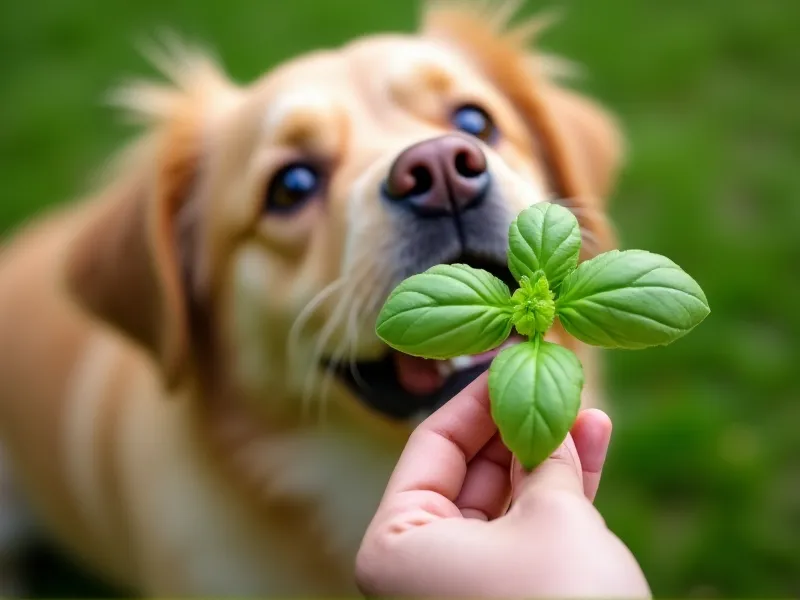
Table of Contents
- Can Dogs Eat Basil? The Short Answer
- The Benefits of Basil for Dogs: More Than Just a Pretty Herb
- Nutrient Powerhouse: Vitamins and Antioxidants
- Fiber: Supporting Digestive Health
- Anti-Inflammatory and Antimicrobial Properties
- Potential Risks of Basil for Dogs: When to Proceed With Caution
- Stomach Upset: Too Much of a Good Thing
- Choking Hazards: Size Matters
- Pesticides and Contaminants: The Organic Advantage
- Hidden Dangers in Basil-Infused Dishes (Sugar, Garlic, and More)
- How Much Basil Can Dogs Safely Eat? Guidelines by Size
- Healthier Alternatives to Basil: Other Safe Herbs and Snacks
- Frequently Asked Questions About Dogs and Basil
- Conclusion: Basil as a Safe, Occasional Treat
- References
Can Dogs Eat Basil? The Short Answer
Yes, dogs can eat basil in moderation.
According to the American Society for the Prevention of Cruelty to Animals (ASPCA), basil is non-toxic to dogs, cats, and even horses. In fact, this aromatic herb is more than just safe—it’s packed with nutrients that can offer mild health benefits when shared responsibly.
That said, “moderation” is key. Basil should never replace your dog’s balanced, species-appropriate diet, and overindulging can lead to stomach upset. Think of it as a tiny, fragrant “bonus” treat—not a regular snack.
The Benefits of Basil for Dogs: More Than Just a Pretty Herb
Basil isn’t just for garnishing pizzas or making pesto. This humble herb is a nutritional powerhouse with several potential perks for your pup. Let’s break down its benefits:
1. Nutrient Powerhouse: Vitamins and Antioxidants
Basil is rich in essential vitamins and antioxidants that support your dog’s overall health:
- Vitamin A: Critical for eye health, immune function, and healthy skin/coat. It also supports organ function, including the heart and lungs.
- Vitamin K: Essential for blood clotting (helping wounds heal) and bone health (a deficiency can lead to brittle bones).
- Vitamin C: A powerful antioxidant that boosts the immune system, fights free radicals (which contribute to aging and disease), and supports collagen production (for healthy joints and skin).
- Antioxidants (Lutein, Zeaxanthin, and Eugenol): These compounds help reduce inflammation, protect cells from damage, and may even support brain health in older dogs. Eugenol, in particular, has natural antimicrobial properties (more on that later!).
2. Fiber: Supporting Digestive Health
Basil contains small amounts of dietary fiber, which is great for your dog’s gut. Fiber helps regulate bowel movements, prevents constipation, and feeds beneficial gut bacteria—keeping their digestive system running smoothly. Just remember: too much fiber (from any source) can backfire, so stick to small portions!
3. Anti-Inflammatory and Antimicrobial Properties
Thanks to compounds like eugenol and rosmarinic acid, basil has mild anti-inflammatory and antimicrobial effects. This means it may help soothe minor inflammation (e.g., from allergies or joint stiffness) and fight off harmful bacteria in the gut. While it’s no substitute for veterinary care, these properties make basil a gentle, natural addition to your dog’s diet.
Potential Risks of Basil for Dogs: When to Proceed With Caution
While basil is generally safe, there are a few risks to keep in mind. Most stem from how and how much basil your dog eats—not the herb itself.
1. Stomach Upset: Too Much of a Good Thing
Dogs have sensitive digestive systems, and introducing any new food (even a “safe” one) in large amounts can cause GI distress. Symptoms of overindulgence may include:
- Diarrhea
- Vomiting
- Gas or bloating
This is especially true for dogs with sensitive stomachs or those unused to herbs. Start with tiny portions to see how your pup reacts!
2. Choking Hazards: Size Matters
Whole basil leaves (especially large ones) can pose a choking risk, especially for small dogs or brachycephalic breeds (like Pugs or Bulldogs) with shorter airways. To avoid this, tear or chop basil into small pieces before offering it. For toy breeds (e.g., Chihuahuas, Yorkies), even a single whole leaf might be too big—opt for a tiny chopped piece instead.
3. Pesticides and Contaminants: The Organic Advantage
Conventionally grown basil may be sprayed with pesticides, herbicides, or fungicides—chemicals that can harm your dog if ingested. These toxins can cause nausea, tremors, or even more severe reactions in large doses. To reduce risk:
- Wash basil thoroughly under running water before sharing.
- Choose organic basil when possible (it’s grown without synthetic chemicals).
4. Hidden Dangers in Basil-Infused Dishes
Basil is rarely eaten plain—it’s usually part of a dish (pesto, salads, sauces). Many of these dishes contain ingredients that are toxic to dogs, such as:
- Garlic or onions: Both belong to the allium family, which destroys red blood cells in dogs, leading to anemia.
- Added sugars or salt: Found in sweet basil glazes, dressings, or processed sauces. Too much sugar causes obesity and diabetes; excess salt leads to dehydration or sodium ion poisoning.
- Dairy: Pesto often includes Parmesan or other cheeses, which can cause lactose intolerance (diarrhea, gas) in many dogs.
Rule of thumb: Never share basil from a seasoned dish. Stick to plain, fresh, or dried basil only.
How Much Basil Can Dogs Safely Eat? Guidelines by Size
The golden rule: Less is more. Basil should be an occasional treat, not a staple. Here’s a rough guide based on your dog’s size:
| Dog Size | Fresh Basil Portion | Dried Basil Portion (since it’s more concentrated) |
|---|---|---|
| Small (5–20 lbs) | 1–2 small leaves (chopped) | ¼ teaspoon |
| Medium (20–50 lbs) | 2–3 leaves (chopped) | ½ teaspoon |
| Large (50+ lbs) | Up to 1 tablespoon (chopped) | 1 teaspoon |
Frequency: Offer basil once or twice a week at most. Mix it into their regular food, or serve as a standalone “snack” (chopped, to avoid choking).
Healthier Alternatives to Basil: Other Safe Herbs and Snacks
If your dog isn’t a fan of basil, or you want to mix up their treats, here are some dog-safe alternatives with similar (or better!) benefits:
1. Parsley
- Benefits: Rich in vitamins A, C, and K; freshens breath; supports kidney health.
- Note: Use curly parsley (Italian parsley is safe too, but avoid “spring parsley,” which is toxic).
2. Mint (Peppermint or Spearmint)
- Benefits: Soothes upset stomachs; freshens breath; repels fleas (when used topically, in moderation).
- Note: Too much mint can cause diarrhea, so stick to 1–2 leaves for small dogs.
3. Carrots
- Benefits: Crunchy, low-calorie, and packed with vitamin A and fiber. Great for dental health (chewing reduces plaque!).
4. Blueberries
- Benefits: Loaded with antioxidants, vitamins, and fiber. A sweet, low-sugar treat for pups.
5. Pumpkin (Plain, Canned)
- Benefits: High in fiber and beta-carotene (vitamin A). Soothes both diarrhea and constipation.
Frequently Asked Questions About Dogs and Basil
Q: Is dried basil safe for dogs?
A: Yes! Dried basil is safe, but it’s more concentrated than fresh. Stick to the portion guidelines above (e.g., ¼ teaspoon for small dogs) to avoid stomach upset.
Q: My dog ate a whole basil plant—should I panic?
A: Probably not, but monitor them closely. A whole plant might cause diarrhea or vomiting (due to excess fiber), but severe toxicity is unlikely. If symptoms last more than 24 hours, or your dog seems lethargic, contact your vet.
Q: Can puppies eat basil?
A: Yes, but start with tiny amounts (e.g., a small chopped piece for a Chihuahua puppy). Puppies have sensitive tummies, so introduce new foods slowly to avoid GI issues.
Q: Are there any herbs dogs should never eat?
A: Yes! Avoid allium herbs like garlic, onions, chives, and leeks—they’re toxic. Also, steer clear of rue, comfrey, and tansy, which can cause organ damage.
Q: Can basil help with my dog’s bad breath?
A: Maybe! Basil has natural deodorizing properties, thanks to its antimicrobial compounds. A tiny chopped leaf mixed into their food might help freshen breath—though it’s no substitute for regular dental care (brushing, chew toys, etc.).
Conclusion: Basil as a Safe, Occasional Treat
So, can dogs eat basil? Absolutely—when shared in small, fresh, plain portions. This fragrant herb offers vitamins, antioxidants, and even a little fiber, making it a safe, healthy “bonus” for your pup.
Just remember:
- Moderation is key—stick to the portion guidelines based on size.
- Avoid seasoned dishes (pesto, sauces with garlic/sugar/salt are dangerous).
- Wash or buy organic to reduce pesticide risk.
- Chop for small dogs to prevent choking.
If your dog has health issues (e.g., diabetes, kidney disease), or you’re unsure if basil is right for them, always check with your vet first.
At the end of the day, sharing a tiny piece of basil with your curious pup is a sweet way to bond—just don’t forget: their favorite treat will always be your attention (and maybe a belly rub).
References
- American Society for the Prevention of Cruelty to Animals (ASPCA). “Toxic and Non-Toxic Plants: Basil.” aspca.org
- PetMD. “Can Dogs Eat Basil? What You Need to Know.” petmd.com
- American Kennel Club (AKC). “Human Foods Dogs Can and Can’t Eat.” akc.org
- Cummings School of Veterinary Medicine at Tufts University. “Herbs and Spices: Which Are Safe for Pets?” tuftscvm.org