· 9 min read
Can Dogs Eat Barbeque? The Ultimate Guide for Pet Parents
The sun is shining, the grill is sizzling, and the smell of burgers, ribs, and charred veggies fills the air—it’s BBQ season! As you gather with friends and family, there’s one member of the crew who’s definitely paying attention: your dog. Those puppy eyes, tilted head, and eager tail thump seem to scream, “Can I have a bite?”
It’s a common scenario for pet parents, but the answer isn’t as simple as a yes or no. Barbeque food is often loaded with flavors, fats, and ingredients that might be tasty for us but potentially harmful for our furry friends. So, can dogs eat barbeque? Let’s dive in and find out—so you can enjoy the summer safely with your pup by your side.
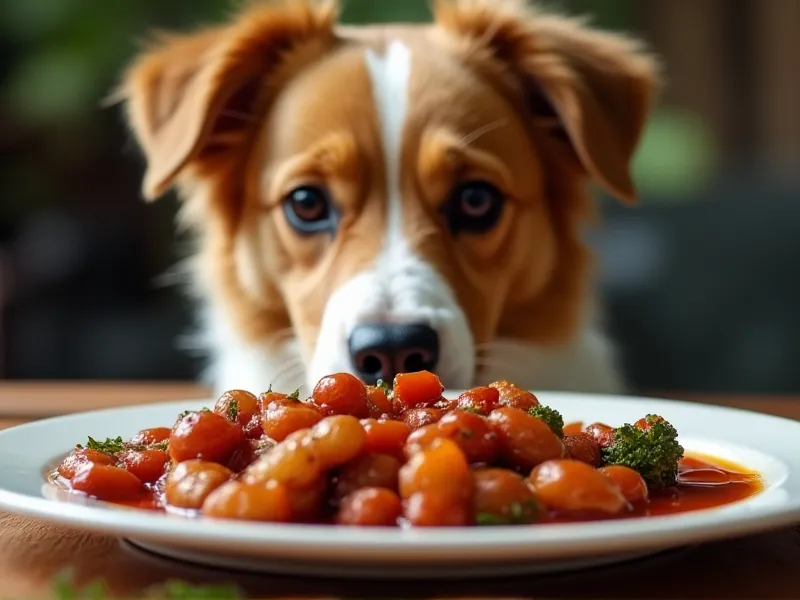
Table of Contents
- Can Dogs Eat Barbeque? The Short Answer
- Potential Benefits of BBQ Foods for Dogs (Yes, There Are Some!)
- Hidden Risks: Why Most BBQ Foods Are Dangerous for Dogs
- Safe Guidelines: If You Must Share BBQ with Your Dog
- Healthier BBQ Alternatives for Your Pup
- FAQ: Your Burning Questions Answered
- Conclusion: Enjoy BBQ Season Responsibly
Can Dogs Eat Barbeque? The Short Answer
No, most barbeque food is not safe for dogs—but there are exceptions.
Barbeque itself isn’t inherently toxic, but the way we prepare it (think sauces, seasonings, fatty cuts, and bones) makes most BBQ dishes risky. Plain, unseasoned, lean meats (like a small piece of grilled chicken or turkey with no skin, fat, or sauce) might be safe in tiny amounts. But the majority of BBQ staples—ribs, sausages, BBQ sauce, and even corn on the cob—pose serious health threats.
To keep it simple: When in doubt, skip sharing your BBQ plate with your dog. But let’s break down why, and when a tiny taste might be okay.
Potential Benefits of BBQ Foods for Dogs (Yes, There Are Some!)
Before we focus on the risks, let’s acknowledge that some BBQ components, when prepared safely, could offer minor nutritional perks. These are rare, but worth noting if you’re considering a cautious “treat.”
1. Lean Proteins: A Boost of Amino Acids
Plain, unseasoned, lean meats (like skinless chicken breast, turkey, or trimmed beef) are packed with protein—an essential nutrient for dogs. Protein supports muscle growth, energy, and a healthy coat. For example:
- Chicken/turkey: Rich in tryptophan (supports mood) and selenium (boosts immune function).
- Beef: Provides iron (prevents anemia) and zinc (aids skin health).
But: This only applies if the meat is grilled without oil, salt, spices, or sauce. Most BBQ meats are marinated, slathered in sauce, or cooked with added fats—making them unsafe.
2. Veggies: Fiber, Vitamins, and Antioxidants
Grilled veggies (without butter, salt, or seasoning) can be a healthy addition to your dog’s diet. Many BBQ spreads include options like:
- Bell peppers: High in vitamin C (supports collagen and immune health).
- Zucchini: A low-calorie source of fiber (aids digestion) and vitamin A (eye health).
- Asparagus: Contains folate (supports cell function) and potassium (regulates blood pressure).
But: Avoid veggies like onions, garlic, or mushrooms (more on that later!), and never serve them with added oils or sauces.
3. Potassium from Certain Foods
Some BBQ veggies, like plain, grilled sweet potatoes (without marshmallows!) or green beans, are rich in potassium. Potassium helps dogs maintain healthy heart function and muscle control.
The catch: These benefits are only possible if the food is 100% plain, unseasoned, and served in tiny portions. Most BBQ food fails this test—so don’t count on BBQ as a “nutritious” treat.
Hidden Risks: Why Most BBQ Foods Are Dangerous for Dogs
Now, let’s get real: The risks of sharing BBQ with your dog far outweigh the benefits. Here’s what makes most BBQ staples a no-go.
1. BBQ Sauce: A Toxic Cocktail
BBQ sauce is the biggest culprit. Even “mild” sauces are loaded with ingredients that are harmful (or even toxic) to dogs:
- Onion/garlic powder: These are toxic to dogs, even in small amounts. They contain thiosulphate, which damages red blood cells, leading to hemolytic anemia (symptoms include weakness, lethargy, pale gums, or collapse). The ASPCA explicitly lists onions and garlic as toxic to pets [1].
- Sugar: Excess sugar leads to obesity, diabetes, and dental decay. A single tablespoon of BBQ sauce can have 5-10 grams of sugar—way more than a dog needs in a day.
- Salt: High sodium intake causes dehydration, electrolyte imbalances, or even sodium ion poisoning (symptoms: vomiting, diarrhea, seizures).
- Alcohol or xylitol: Some sauces contain beer or wine (alcohol is toxic) or xylitol (a sugar substitute that causes rapid insulin release, leading to hypoglycemia or liver failure).
2. Fatty Meats: A Ticket to Pancreatitis
Ribs, brisket, sausage, and even the “crispy” bits of grilled chicken skin are high in fat. Dogs can’t digest large amounts of fat well, and it can trigger pancreatitis—a painful, life-threatening condition where the pancreas becomes inflamed. Symptoms include vomiting, diarrhea, abdominal pain, and loss of appetite. The AVMA notes that fatty foods are a top cause of pancreatitis in dogs [2].
3. Bones: Choking, Blockages, and Perforations
BBQ ribs, chicken bones, or pork bones are a disaster waiting to happen. Cooked bones are brittle and can splinter, leading to:
- Choking: Small bone fragments can get stuck in your dog’s throat.
- Intestinal blockages: Sharp pieces can lodge in the stomach or intestines, requiring surgery.
- Perforations: Splinters can tear the digestive tract, causing infection or internal bleeding.
Even “soft” bones (like rib bones) are risky—don’t be fooled!
4. Charred or Burnt Food: Cancer-Causing Chemicals
That crispy, blackened edge on your burger or hot dog might taste great, but it’s dangerous for dogs. Charred meat contains heterocyclic amines (HCAs) and polycyclic aromatic hydrocarbons (PAHs)—chemicals linked to cancer in humans and animals. While the risk is low from occasional exposure, it’s best to avoid serving burnt food to your pup [3].
5. Corn on the Cob: A Choking Hazard
Corn kernels (plain, no butter or salt) are safe for dogs in small amounts. But corn on the cob is a major choking risk. Dogs often try to swallow the cob whole, which can get stuck in their throat or intestines. This can be fatal without emergency surgery.
6. Processed Meats: Sodium, Preservatives, and Additives
Hot dogs, sausages, and deli meats are staples at BBQs—but they’re terrible for dogs. They’re high in sodium, nitrates (linked to cancer), and preservatives like BHA/BHT (which can harm the liver). Even a small bite can cause stomach upset or long-term health issues.
Safe Guidelines: If You Must Share BBQ with Your Dog
We get it—those puppy eyes are hard to resist. If you decide to share a tiny taste (and we mean tiny), follow these strict rules to minimize risk:
1. Stick to Plain, Lean Meats
Choose unseasoned, skinless, and fat-free cuts:
- Grilled chicken breast (no skin, no bones, no sauce).
- Turkey burger (no salt, pepper, or toppings).
- Trimmed beef (no fat, no seasoning).
Avoid ribs, sausages, bacon, or any meat cooked with oil, butter, or marinade.
2. Skip the Sauce, Spices, and Extras
No BBQ sauce, ketchup, mustard, or seasonings (even “dog-safe” spices like garlic powder are toxic). Plain is the only way!
3. Remove All Bones and Fat
Trim every visible fat globule and never serve bones. Even small bone fragments are dangerous.
4. Keep Portions Tiny
A “treat” should be no more than 10% of your dog’s daily calories. For a 30-pound dog, that’s about 1-2 small bites of chicken (the size of a dime). Overfeeding can lead to stomach upset or pancreatitis.
5. Monitor for Reactions
After feeding, watch for signs of trouble: vomiting, diarrhea, lethargy, or loss of appetite. If you see any, contact your vet immediately.
Pro tip: If you’re unsure whether a food is safe, err on the side of caution. Your dog won’t hold a grudge for missing out on BBQ—they’ll just be happy to spend time with you!
Healthier BBQ Alternatives for Your Pup
Instead of sharing your risky BBQ food, treat your dog to these dog-friendly alternatives. They’ll love the special attention, and you’ll skip the stress!
1. Grilled Dog-Safe Meats
- Plain chicken breast: Grill a small piece (no seasoning) and chop it into bite-sized pieces.
- Turkey meatballs: Mix ground turkey with a little plain oats and egg, then grill (no salt or spices).
- Lean beef strips: Grill a thin slice of trimmed beef, cool, and cut into small bits.
2. Steamed or Grilled Veggies
- Carrots: Crunchy, low-calorie, and full of vitamin A.
- Broccoli florets: Rich in fiber and antioxidants (steam lightly to make them easier to digest).
- Sweet potato: Slice into rounds, grill with no oil, and cool (a great source of beta-carotene).
- Green beans: Plain, steamed green beans are a low-calorie, high-fiber snack.
3. Frozen Treats
Beat the heat with a frozen dog-safe snack:
- Frozen blueberries: Toss a few in a bowl for a refreshing, antioxidant-rich bite.
- Pup-sicles: Blend plain yogurt (no xylitol) with banana, freeze in ice cube trays, and serve.
4. Commercial Dog Treats
When in doubt, grab a store-bought treat made specifically for dogs. Look for options with simple ingredients (e.g., “chicken jerky” with no added sugars or preservatives).
FAQ: Your Burning Questions Answered
Got more questions about dogs and BBQ? We’ve got answers!
Q: Can dogs eat BBQ ribs?
A: No. Ribs are high in fat (risk of pancreatitis) and contain bones (risk of choking or blockages). Even “boneless” ribs often have small bone fragments—avoid them entirely.
Q: Is BBQ sauce safe for dogs?
A: No. Most BBQ sauces contain onion/garlic powder, sugar, or salt—all harmful to dogs. Even a lick can cause stomach upset or toxicity.
Q: Can dogs eat corn on the cob?
A: No. The cob is a choking hazard and can cause intestinal blockages. Plain corn kernels (no butter/salt) are safe in small amounts, but skip the cob!
Q: What if my dog stole a bite of BBQ food?
A: Stay calm and monitor. If it was a small bite of plain meat, they’ll likely be fine. If it contained sauce, bones, or fatty meat, watch for symptoms (vomiting, diarrhea, lethargy) and call your vet if concerned.
Q: Can dogs eat charred meat?
A: No. Burnt or charred meat contains cancer-causing chemicals (HCAs and PAHs). It’s best to avoid serving it to your dog.
Conclusion: Enjoy BBQ Season Responsibly
Barbeque season is all about fun, food, and togetherness—and your dog deserves to join in! But when it comes to sharing your meal, prioritize their safety over those puppy eyes. Most BBQ foods are loaded with hidden risks (sauce toxins, fatty meats, bones) that can lead to serious health issues.
If you do share a tiny taste, stick to plain, lean, unseasoned meat with no fat or bones. Better yet, opt for dog-friendly alternatives like grilled chicken, steamed veggies, or frozen treats. Your pup will love the special snack, and you’ll enjoy peace of mind knowing they’re safe.
At the end of the day, the best part of BBQ season for your dog isn’t the food—it’s being with you. So fire up the grill, grab a dog-safe treat, and make some summer memories together!
References
[1] American Society for the Prevention of Cruelty to Animals (ASPCA). “Onions, Garlic, Chives.” aspca.org/pet-care/animal-poison-control/toxic-and-non-toxic-plants/onions-garlic-chives
[2] American Veterinary Medical Association (AVMA). “Pancreatitis in Dogs.” avma.org/resources/pet-owners/petcare/pancreatitis-dogs
[3] National Cancer Institute (NCI). “Heterocyclic Amines (HCAs) and Polycyclic Aromatic Hydrocarbons (PAHs) in Meat and Cancer Risk.” cancer.gov/about-cancer/causes-prevention/risk/diet/heterocyclic-amines