· 9 min read
Can Dogs Eat Barbecue Sauce? The Surprising Truth Every Pet Parent Needs to Know
Picture this: It’s a warm summer evening, and you’re firing up the grill. The air smells of charred burgers, smoky ribs, and that unmistakable tang of barbecue sauce. Your dog, ever the opportunist, is by your side—tail thumping, nose twitching, eyes locked on your plate. As you reach for the sauce bottle, you pause. Is this okay to share? After all, it’s just a little sauce, right?
If you’ve ever asked yourself, “Can dogs eat barbecue sauce?” you’re not alone. Barbecue sauce is a staple of cookouts, backyard parties, and weeknight dinners, but when it comes to our furry friends, not all human foods are created equal. In this guide, we’ll break down the risks, (very few) potential benefits, and safer alternatives to help you keep your pup happy and healthy—even during grilling season.
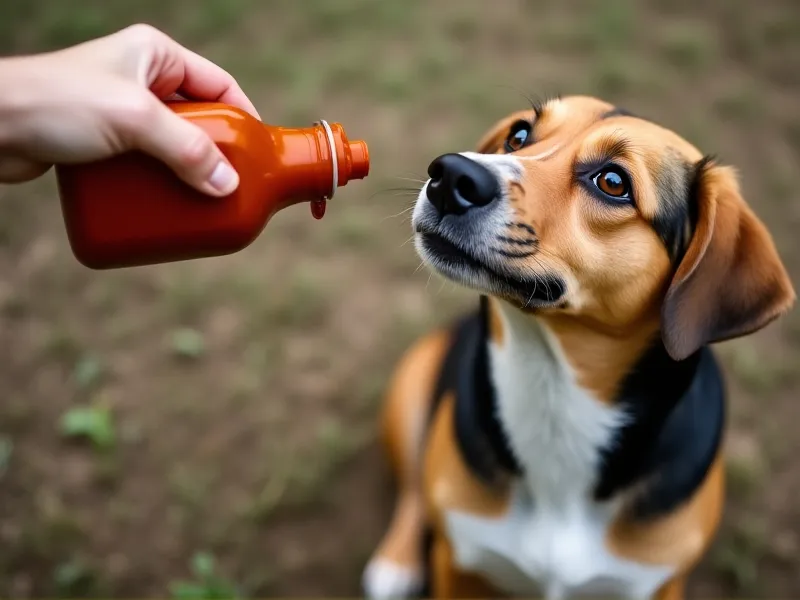
Table of Contents
- Can Dogs Eat Barbecue Sauce? The Short Answer
- Potential “Benefits” of Barbecue Sauce for Dogs: Separating Fact from Fiction
- The Risks of Feeding Barbecue Sauce to Dogs: Why It’s Best to Avoid
- How Much Barbecue Sauce Is “Safe” for Dogs? Spoiler: Probably None
- Healthier Alternatives to Barbecue Sauce for Your Pup
- FAQ: Your Barbecue Sauce and Dog Questions, Answered
- Conclusion: Enjoy the Cookout—Safely!
Can Dogs Eat Barbecue Sauce? The Short Answer
No, dogs should not eat barbecue sauce.
While a tiny accidental lick off the floor is unlikely to harm your dog, intentionally feeding them barbecue sauce—even in small amounts—poses significant risks. Most store-bought and homemade barbecue sauces are packed with ingredients that are toxic, irritating, or unhealthy for dogs, including sugar, salt, spices, and even hidden toxins like onion or garlic powder.
To keep your pup safe, it’s best to skip the sauce altogether and stick to dog-approved treats. Let’s dive into why.
Potential “Benefits” of Barbecue Sauce for Dogs: Separating Fact from Fiction
At first glance, you might think, “Barbecue sauce has tomatoes—aren’t tomatoes good for dogs?” It’s true that ripe, plain tomatoes are non-toxic and contain some nutrients dogs can benefit from, like fiber, vitamin C, and potassium. But here’s the catch: Barbecue sauce is not just tomatoes. It’s a cocktail of added sugars, salts, spices, and other ingredients that overshadow any potential nutritional upsides.
Let’s break down the “benefits” and why they’re negligible:
- Fiber: Tomatoes do contain fiber, which aids digestion. But barbecue sauce has such a small amount of tomato paste (compared to sugar, salt, etc.) that the fiber benefit is minuscule. Your dog would get far more fiber from a plain, cooked vegetable like carrots or green beans.
- Potassium: Tomatoes also have potassium, an electrolyte that supports heart and muscle health. Again, the tiny amount in sauce is not worth the risk of the other ingredients. A banana (in moderation) is a safer, more potassium-rich snack for dogs.
- Vitamins: Trace amounts of vitamins like A and C might be present, but these are easily obtained from dog food or fresh, dog-safe fruits and veggies.
In short: Any nutritional “benefits” of barbecue sauce are so small they’re not worth the potential harm.
The Risks of Feeding Barbecue Sauce to Dogs: Why It’s Best to Avoid
Now, let’s get to the real concern: the risks of barbecue sauce for dogs. These ingredients are the main culprits:
1. High Sugar Content: A Recipe for Obesity and Diabetes
Most barbecue sauces are loaded with sugar—cane sugar, brown sugar, honey, molasses, or high-fructose corn syrup. Dogs’ bodies aren’t designed to process large amounts of sugar, and regular consumption can lead to:
- Obesity: Extra calories from sugar quickly add up, increasing the risk of joint pain, heart disease, and other obesity-related issues.
- Dental problems: Sugar feeds harmful bacteria in your dog’s mouth, leading to cavities, gum disease, and bad breath.
- Diabetes: Chronic sugar intake can impair insulin production, raising the risk of canine diabetes.
Even “low-sugar” or “natural” sauces often contain enough sugar to cause problems over time.
2. Excess Sodium: A Threat to Kidneys and Heart
Salt is another staple in barbecue sauce, used to enhance flavor. But dogs need very little sodium—about 100 mg per 100 calories of food, according to the National Research Council. A single tablespoon of barbecue sauce can contain 200–400 mg of sodium (check the label!), which is a significant portion of a small dog’s daily limit.
Too much sodium can lead to:
- Dehydration: Thirst, dry gums, and reduced energy.
- Sodium ion poisoning: In severe cases (more common in small dogs), symptoms include vomiting, diarrhea, tremors, seizures, or even death.
- Kidney damage: Long-term high sodium intake strains the kidneys, which filter waste from the blood.
3. Toxic Ingredients: Onion and Garlic
Here’s a hidden danger: Many barbecue sauces (especially smoky or “tangy” varieties) contain onion powder, garlic powder, or even minced onions/garlic. These ingredients are toxic to dogs, even in small amounts.
Onions and garlic belong to the Allium family, which contains compounds that damage red blood cells, leading to a condition called hemolytic anemia. Symptoms include weakness, lethargy, pale gums, rapid breathing, and dark urine. In severe cases, it can be life-threatening.
The ASPCA explicitly lists onions and garlic as toxic to dogs, noting that even small doses (e.g., a teaspoon of powder) can harm small breeds.
4. Spices and Irritants: Stomach Upset and Discomfort
Barbecue sauce often includes spices like paprika, cayenne pepper, black pepper, or chili powder. These can irritate your dog’s digestive tract, causing:
- Vomiting or diarrhea
- Abdominal pain
- Excessive drooling (from the spicy heat)
Some dogs are more sensitive than others—even a small amount of spice can leave your pup feeling miserable.
5. Artificial Additives and Preservatives
Many store-bought sauces contain artificial colors, flavors, or preservatives (like BHA or BHT). While the long-term effects of these additives in dogs are not fully studied, they’re unnecessary and may contribute to inflammation or other health issues over time.
6. Choking Hazards
Thicker, chunkier barbecue sauces (or those with bits of onion, garlic, or spices) can pose a choking risk, especially for small dogs or dogs who gulp their food.
How Much Barbecue Sauce Is “Safe” for Dogs? Spoiler: Probably None
You might be thinking, “What if I just give my dog a tiny taste? Like, a drop on my finger?”
The truth is, there’s no “safe” amount of barbecue sauce to intentionally feed your dog. Even a small quantity can cause stomach upset, and larger amounts (e.g., a tablespoon or more) increase the risk of sodium poisoning, anemia (from onions/garlic), or pancreatitis (from sugar/fat).
Size matters: Small dogs (e.g., Chihuahuas, Yorkies) are far more vulnerable to the effects of sugar, salt, and toxins than large breeds (e.g., Labs, German Shepherds). A single tablespoon of sauce could be dangerous for a 10-pound dog but might only cause mild stomach upset in a 80-pound dog (though it’s still not worth it!).
Accidents happen: If your dog sneaks a lick off the floor or steals a bite of sauce-covered food, don’t panic. Monitor them closely for 24 hours for symptoms like vomiting, diarrhea, lethargy, or loss of appetite. If you notice any red flags, contact your vet immediately.
Healthier Alternatives to Barbecue Sauce for Your Pup
Just because barbecue sauce is off-limits doesn’t mean your dog can’t enjoy a special treat during cookout season! Here are some safer alternatives:
1. Plain Cooked Meat
The star of the grill—without the sauce! Plain, unseasoned cooked meat (chicken, turkey, beef, or pork) is a great dog treat. Make sure it’s fully cooked (no pink) and free of bones, fat, or skin.
Example: A small piece of grilled chicken breast (no salt, no sauce) is a protein-packed snack your dog will love.
2. Dog-Friendly “Barbecue” Toppers
If you want to add a little flavor, try a tiny amount of plain tomato paste (no salt, sugar, or spices). Mix a pea-sized dollop into your dog’s food for a hint of tomato flavor.
Note: Even tomato paste should be given sparingly—too much can cause stomach upset.
3. Homemade Dog-Safe “Sauce”
For a fun DIY project, blend a small amount of ripe tomato (no skin or seeds) with a splash of water to make a smooth, unsweetened, unspiced “sauce.” This is still a treat, not a meal, and should only be given in tiny amounts (e.g., a teaspoon for a medium dog).
4. Fresh Fruits and Veggies
Swap sauce for fresh, dog-safe fruits or veggies like:
- Carrot sticks (crunchy and full of fiber!)
- Blueberries (antioxidant-rich)
- Apple slices (remove seeds/core)
- Green beans (cooked or raw, low-calorie)
5. Commercial Dog Treats
Stick to high-quality dog treats made with safe, simple ingredients. Look for options with real meat (no by-products) and no added sugar, salt, or spices.
FAQ: Your Barbecue Sauce and Dog Questions, Answered
Q: My dog ate a lot of barbecue sauce—what should I do?
A: Contact your vet immediately. Symptoms like vomiting, diarrhea, tremors, or lethargy could indicate sodium poisoning, anemia, or pancreatitis. Bring the sauce bottle (if possible) so your vet can check for toxic ingredients like onion/garlic.
Q: Is sugar-free barbecue sauce safe for dogs?
A: No! Many sugar-free sauces use xylitol, an artificial sweetener that is extremely toxic to dogs. Even small amounts of xylitol can cause a sudden drop in blood sugar (hypoglycemia), seizures, liver failure, or death. Always check labels for xylitol!
Q: What if the barbecue sauce is homemade and doesn’t have onion or garlic?
A: It’s still not safe. Homemade sauce often has sugar, salt, or spices that can harm your dog. Stick to plain ingredients instead.
Q: Can puppies eat barbecue sauce?
A: Puppies have smaller bodies and more sensitive digestive systems, so they’re even more at risk of harm from sauce. Keep all barbecue sauce (and adult dog treats) away from puppies.
Q: My dog loves barbecue sauce—why is it so bad if they seem fine?
A: Some dogs may tolerate a tiny amount without immediate symptoms, but long-term exposure to sugar, salt, or spices can lead to chronic issues like obesity, diabetes, or kidney disease. It’s not worth the risk!
Conclusion: Enjoy the Cookout—Safely!
Barbecue sauce might be a delicious addition to your summer meals, but it’s best kept far from your dog’s bowl. With high sugar, salt, toxic spices, and hidden dangers like onion and garlic, it’s just not worth the risk of stomach upset, poisoning, or long-term health issues.
Instead, treat your pup to dog-safe snacks like plain cooked meat, fresh veggies, or store-bought dog treats. They’ll love the attention, and you’ll have peace of mind knowing you’re keeping them healthy.
As always, if you have questions about your dog’s diet or suspect they’ve eaten something harmful, don’t hesitate to reach out to your veterinarian. Here’s to many happy, safe cookouts with your favorite furry companion!
References
- American Society for the Prevention of Cruelty to Animals (ASPCA). “Toxic and Non-Toxic Plants: Onion.” aspca.org
- American Kennel Club (AKC). “Can Dogs Eat Tomatoes?” akc.org
- VCA Hospitals. “Sodium Toxicity in Dogs.” vcahospitals.com
- VCA Hospitals. “Xylitol Toxicity in Dogs.” vcahospitals.com
- National Research Council. “Nutrient Requirements of Dogs and Cats.” National Academies Press, 2006.