· 8 min read
Can Dogs Eat Bananas and Peanut Butter? A Pet Parent’s Guide to Safe Snacking
It’s a sunny Saturday morning, and you’re prepping a quick snack: a ripe banana sliced into a bowl, drizzled with a spoonful of creamy peanut butter. As you take the first bite, you feel a wet nose nudge your hand. Your dog, tail thumping against the floor, is staring up at you with those irresistible “share with me” eyes. You pause, mid-chew. Is this combo safe for my pup?
If you’ve ever wondered whether dogs can enjoy bananas and peanut butter, you’re not alone. These two foods are staples in many households, and their sweet, creamy pairing is hard to resist—for humans and dogs. But before you toss your pup a bite, it’s crucial to separate fact from fiction.
The short answer? Yes, dogs can eat bananas and peanut butter—but only in moderation, and with important caveats. Let’s dive into the details: the benefits, the risks, how much to serve, and even healthier alternatives to keep your furry friend happy and healthy.
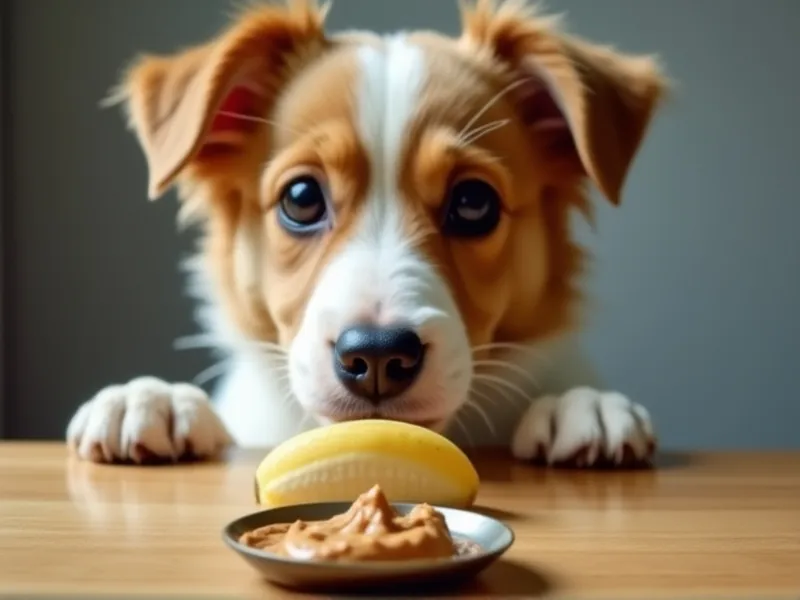
Table of Contents
- Can Dogs Eat Bananas and Peanut Butter? The Short Answer
- The Benefits of Bananas for Dogs: More Than Just a Sweet Treat
- The Perks of Peanut Butter (When Chosen Wisely)
- The Risks: What to Watch Out For
- Safe Serving Guidelines: How Much Is Too Much?
- Healthier Alternatives to Mix Up Treat Time
- FAQ: Your Burning Questions Answered
- Conclusion: Snacking Safely with Your Pup
- References
Can Dogs Eat Bananas and Peanut Butter? The Short Answer
Let’s cut to the chase: Bananas and peanut butter are generally safe for dogs, when prepared and served correctly.
Bananas are a natural, nutrient-dense fruit packed with vitamins and fiber. Peanut butter, meanwhile, is a protein-rich spread—but only if it’s unsalted, unsweetened, and free of xylitol (a sugar substitute toxic to dogs).
The key here is moderation. Both foods are high in sugar and/or fat, so they should be occasional treats, not part of your dog’s daily diet. Think of them as a special reward for good behavior, not a meal replacement.
The Benefits of Bananas for Dogs: More Than Just a Sweet Treat
Bananas aren’t just a tasty snack—they’re loaded with nutrients that can boost your dog’s health. Let’s break down their superpowers:
Nutrient Breakdown: What Bananas Offer
- Potassium: Critical for heart health, muscle function, and maintaining healthy blood pressure. A potassium deficiency in dogs can lead to weakness, fatigue, or even heart issues (VCA Hospitals).
- Vitamin C: An antioxidant that supports the immune system, helps repair tissues, and fights inflammation. While dogs produce some vitamin C on their own, extra can aid aging or stressed pups (AKC).
- Fiber: Soluble and insoluble fiber helps regulate digestion, preventing constipation or diarrhea. It also keeps your dog feeling full, which can aid in weight management (PetMD).
- Vitamin B6: Supports brain function, red blood cell production, and hormone regulation. It’s especially important for puppies’ growth and senior dogs’ cognitive health.
How These Nutrients Support Your Dog’s Health
For active dogs, bananas can be a quick energy boost (thanks to natural sugars and potassium). For dogs with sensitive stomachs, the fiber in bananas can soothe digestion. Senior dogs may benefit from the vitamin C and B6, which support joint health and cognitive function.
Example: If your 50-pound Lab just finished a long hike, a few banana slices can replenish electrolytes (potassium) and give them a gentle energy pick-me-up—much healthier than a processed dog biscuit!
The Perks of Peanut Butter (When Chosen Wisely)
Peanut butter is a dog favorite for a reason: it’s creamy, delicious, and packed with nutrients. But not all peanut butters are created equal. Stick to unsalted, unsweetened, xylitol-free varieties (more on xylitol later!). Here’s why the good stuff matters:
Why Peanut Butter Can Be a Dog-Friendly Snack
- Protein: Essential for muscle growth, repair, and overall body function. A 2-tbsp serving of natural peanut butter has about 8g of protein (USDA).
- Healthy Fats: Monounsaturated fats support skin and coat health, keeping fur shiny and reducing dryness.
- Vitamin E: An antioxidant that protects cells from damage and supports immune health.
- Niacin (Vitamin B3): Aids in energy metabolism and keeps the nervous system and digestive tract working smoothly.
Key Nutrients in Peanut Butter for Dogs
For dogs recovering from illness or injury, the protein in peanut butter can help rebuild muscle. The healthy fats and vitamin E are great for dogs with dull coats or dry skin. And let’s not forget: peanut butter is incredibly useful for hiding pills (we’ve all been there!).
The Risks: What to Watch Out For
While bananas and peanut butter have benefits, they also come with risks—especially if overfed or paired with the wrong ingredients. Here’s what to avoid:
Sugar Overload: The Downside of Bananas
Bananas are high in natural sugars (about 14g per medium banana). While natural sugar is better than added sugar, too much can lead to:
- Weight gain: Extra calories from sugar turn into fat, increasing the risk of obesity.
- Diabetes: Chronic overfeeding may contribute to insulin resistance, especially in dogs predisposed to the disease.
- Dental issues: Sugar feeds harmful bacteria in the mouth, leading to plaque and tooth decay.
Hidden Dangers in Peanut Butter (Xylitol Alert!)
Peanut butter’s biggest risk is xylitol—a sugar substitute found in “sugar-free” or “low-sugar” products. Xylitol is extremely toxic to dogs, even in small amounts. It causes a rapid insulin release, leading to life-threatening hypoglycemia (low blood sugar), seizures, liver failure, or death (ASPCA).
Other red flags in peanut butter:
- Added salt: Too much sodium can cause dehydration, high blood pressure, or kidney damage.
- Added sugars/honey: Extra sweeteners pile on empty calories.
- Preservatives or oils: Some brands use hydrogenated oils, which are linked to inflammation.
Choking Hazards and Stomach Upset
- Choking: Banana chunks that are too large can block small airways, especially in toy breeds. Sticky peanut butter can also get stuck in a dog’s throat if not mixed with a liquid or spread thinly.
- Stomach upset: Too much fiber from bananas can cause gas, bloating, or diarrhea. Excess fat from peanut butter may lead to pancreatitis (inflammation of the pancreas), a painful and potentially fatal condition (VCA Hospitals).
Safe Serving Guidelines: How Much Is Too Much?
The golden rule: Treats should make up no more than 10% of your dog’s daily calories. For bananas and peanut butter, that means tiny portions—think “bite-sized,” not “meal-sized.”
Banana Portions by Dog Size
- Small dogs (under 20 lbs): 1–2 thin slices (about ¼ of a banana) per week.
- Medium dogs (20–50 lbs): 3–4 slices (½ a banana) per week.
- Large dogs (50+ lbs): ½–1 small banana per week.
Pro tip: Freeze banana slices for a cool, crunchy summer treat!
Peanut Butter Portions: Finding the Sweet Spot
- Small dogs: 1–2 teaspoons per week.
- Medium dogs: 1 tablespoon per week.
- Large dogs: 1–2 tablespoons per week.
Always measure! A “squirt” from the jar can easily turn into 3x the recommended amount.
Frequency: How Often Can Dogs Enjoy This Combo?
Think of bananas and peanut butter as a once-a-week treat, not a daily snack. For example: Mix 1 tsp peanut butter with 2 banana slices for your small dog on Sunday—they’ll love the special bonding time, and you’ll avoid overloading on sugar.
Healthier Alternatives to Mix Up Treat Time
If you want to spoil your pup without the sugar or fat, try these nutrient-packed alternatives:
Lower-Sugar Fruit Options
- Apple slices (without seeds): Crunchy, high in fiber and vitamin C. Pair with a dollop of unsweetened peanut butter for extra yum.
- Blueberries: Tiny, low-calorie, and loaded with antioxidants (great for brain health!).
- Strawberries: Sweet but low in sugar, with vitamin C and fiber.
Veggie Snacks with a Peanut Butter Dip
- Carrot sticks: Crunchy, low-calorie, and great for dental health. Dip in peanut butter for a satisfying combo.
- Cucumber slices: Hydrating and refreshing, with almost no calories.
- Green beans (cooked or raw): High in fiber and vitamins, ideal for weight management.
Other Nutritious Treat Combos
- Plain Greek yogurt (unsweetened, lactose-free if needed) with banana slices: Adds probiotics for gut health.
- Pumpkin puree (unsweetened) with a dash of peanut butter: Fiber-rich and soothing for upset tummies.
FAQ: Your Burning Questions Answered
Q: Can puppies eat bananas and peanut butter?
A: Yes, but in tiny portions. Puppies have smaller tummies and developing digestive systems, so stick to 1 tsp peanut butter and 1 banana slice (for small breeds) once a week.
Q: My dog has diabetes—can they have this combo?
A: Probably not. The sugar in bananas and peanut butter can spike blood sugar. Ask your vet for low-sugar treat options instead.
Q: I accidentally gave my dog peanut butter with xylitol—what should I do?
A: Act fast! Xylitol toxicity can set in within 10–60 minutes. Symptoms include vomiting, lethargy, seizures, or collapse. Call your vet or the ASPCA Poison Control Center (888-426-4435) immediately.
Q: Is “natural” peanut butter always safe?
A: Not necessarily. Some “natural” brands still add sugar or salt. Check the label for only peanuts (and maybe oil) as ingredients.
Q: Can dogs eat frozen bananas and peanut butter?
A: Absolutely! Freeze the combo in ice cube trays for a long-lasting, teeth-cleaning treat.
Conclusion: Snacking Safely with Your Pup
Sharing treats with your dog is one of the joys of pet parenthood—and bananas and peanut butter can be a delicious, bonding experience. Just remember:
✅ Check ingredients (no xylitol, salt, or added sugars in peanut butter!).
✅ Stick to portions (treats = 10% of daily calories).
✅ Moderation is key (once a week, not once a day).
If your dog has health issues (like diabetes, obesity, or pancreatitis), always ask your vet before introducing new treats. They can help tailor a plan that keeps your pup happy and healthy.
At the end of the day, the best treat is the time you spend together. Whether it’s a banana slice, a walk, or a belly rub—your dog will love you just the same.
References
- American Society for the Prevention of Cruelty to Animals (ASPCA). (n.d.). Xylitol Toxicity in Dogs. https://www.aspca.org/pet-care/animal-poison-control/toxic-and-non-toxic-plants/xylitol
- American Kennel Club (AKC). (2023). Can Dogs Eat Bananas? https://www.akc.org/expert-advice/nutrition/can-dogs-eat-bananas/
- PetMD. (2023). Can Dogs Eat Bananas? https://www.petmd.com/dog/nutrition/what-can-dogs-eat-can-dogs-eat-bananas
- VCA Hospitals. (n.d.). Nutrition Basics for Dogs. https://vcahospitals.com/know-your-pet/nutrition-basics-for-dogs
- U.S. Department of Agriculture (USDA). (n.d.). Peanut Butter, Natural, No Salt Added. https://fdc.nal.usda.gov/fdc-app.html#/food-details/174441/nutrients