· 8 min read
Can Dogs Eat Banana Nut Bread? A Pet Parent’s Guide to Safe Snacking
It’s a cozy Saturday morning. You’ve just pulled a golden loaf of banana nut bread from the oven—the air smells of ripe bananas, warm cinnamon, and toasty nuts. As you slice a piece and take your first bite, your dog trots over, tail thumping, nose twitching, and fixes you with those irresistible puppy eyes. “Can I have a bite?” they seem to ask.
We’ve all been there: sharing a snack with our furry friends feels like a sweet way to bond. But when it comes to human foods like banana nut bread, the question isn’t just “can they eat it?”—it’s “should they?”
In this guide, we’ll break down the risks and (limited) benefits of banana nut bread for dogs, share tips for safe feeding (if you choose to), and even suggest healthier alternatives your pup will love. Let’s dive in!
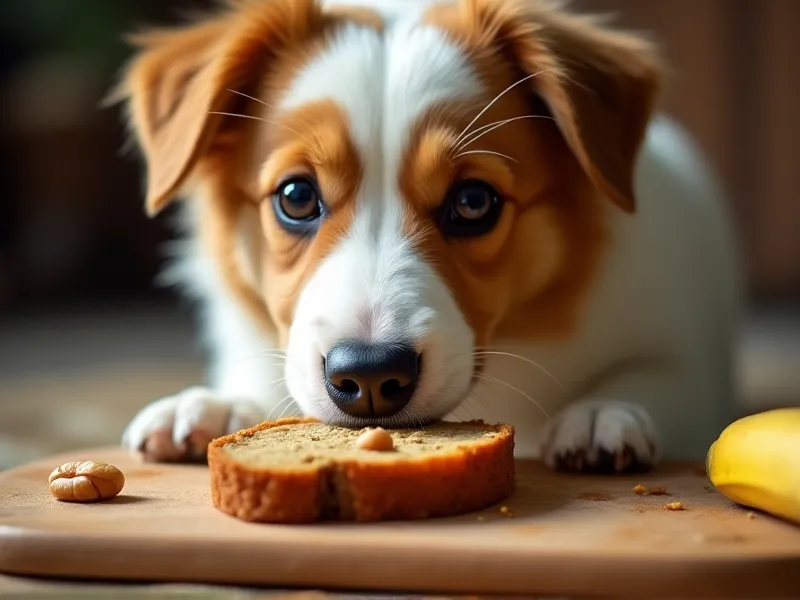
Table of Contents
- Can Dogs Eat Banana Nut Bread? The Short Answer
- The (Small) Benefits of Bananas for Dogs
- The Big Risks: Why Banana Nut Bread Is Often a Bad Idea
- Safe Feeding Guidelines: If You Must Share
- Healthier Alternatives to Banana Nut Bread
- FAQ: Your Most Pressing Questions Answered
- Conclusion: Love Them Well—Stick to Safe Snacks
Can Dogs Eat Banana Nut Bread? The Short Answer
No, banana nut bread is not a safe or recommended treat for dogs.
While plain, ripe bananas are generally safe (and even healthy) for dogs in moderation, banana nut bread is a different story. Most recipes include added sugar, unhealthy fats, and potentially toxic ingredients like nuts or sweeteners—all of which can harm your dog’s health.
Think of it this way: Banana nut bread is a human indulgence, not a canine superfood. The risks (weight gain, digestive upset, even toxicity) far outweigh any small nutritional perks. Let’s unpack why.
The (Small) Benefits of Bananas for Dogs
Before we dive into the risks, let’s give bananas their due: On their own, plain, ripe bananas are a nutritious occasional treat for dogs. Here’s why:
1. Potassium Powerhouse
Bananas are rich in potassium, an electrolyte that supports heart health, muscle function, and nerve signaling. A 2019 study in the Journal of Veterinary Internal Medicine notes that potassium helps regulate blood pressure and prevents muscle weakness in dogs.
2. Fiber for Digestion
Bananas contain both soluble and insoluble fiber, which aids digestion by promoting regular bowel movements and supporting gut health. Soluble fiber (found in banana pulp) can even soothe an upset stomach in small amounts.
3. Vitamins & Antioxidants
They’re packed with vitamin B6 (supports energy metabolism and red blood cell production), vitamin C (boosts immune function), and vitamin A (healthy skin and coat). Bananas also contain antioxidants like dopamine and catechin, which fight inflammation.
But here’s the catch: These benefits come from plain bananas, not banana bread. Once you add sugar, nuts, and other ingredients, the nutritional value plummets—and the risks skyrocket.
The Big Risks: Why Banana Nut Bread Is Often a Bad Idea
Banana nut bread is a “wolf in sheep’s clothing” for dogs. Let’s break down the most dangerous ingredients and their risks:
1. Added Sugar: A Silent Threat
Most banana bread recipes call for ½ to 1 cup of added sugar (white sugar, brown sugar, or honey). Dogs have no biological need for added sugar, and excess can lead to:
- Obesity: Extra calories from sugar quickly add up, increasing the risk of joint pain, heart disease, and diabetes.
- Dental Disease: Sugar feeds harmful bacteria in your dog’s mouth, causing plaque, tartar, and tooth decay.
- Pancreatitis: A high-sugar diet can trigger inflammation of the pancreas, a painful and potentially life-threatening condition.
The ASPCA warns that even small amounts of added sugar can disrupt a dog’s metabolism over time.
2. Nuts: Toxicity & Choking Hazards
Nuts are a staple in banana bread, but many are dangerous for dogs:
| Nut | Risk to Dogs |
|---|---|
| Macadamia | Toxic! Even a few can cause weakness, vomiting, hyperthermia, or tremors (ASPCA). |
| Walnuts | High in fat; moldy walnuts contain tremorgenic mycotoxins, which cause seizures. |
| Almonds | Choking hazard; high in fat can lead to pancreatitis. |
| Pecans | High in fat and calories; may cause digestive upset or obesity. |
| Pistachios | Salted pistachios can lead to sodium poisoning; unsalted are still high in fat. |
Even “safe” nuts (like peanuts, if unsalted and unseasoned) are high in fat and calories, making them a poor choice for regular treats.
3. Hidden Toxins: Xylitol & Chocolate
Some banana bread recipes (especially “low-sugar” versions) use xylitol, a sugar substitute that’s deadly to dogs. Even a tiny amount (as little as 0.1 grams per pound of body weight) can cause a rapid insulin surge, leading to hypoglycemia (low blood sugar), seizures, liver failure, or death.
Chocolate chips are another red flag. Chocolate contains theobromine, which dogs can’t metabolize. Dark chocolate and baking chocolate are the most toxic, but even milk chocolate can sicken small dogs.
4. Rich, Fatty Ingredients
Butter, oil, and eggs (in large quantities) make banana bread moist and tender—but they’re also high in fat. Dogs’ digestive systems aren’t built to handle rich, fatty foods. A slice of banana bread can trigger:
- Gastroenteritis: Vomiting, diarrhea, or abdominal pain.
- Pancreatitis: Inflammation of the pancreas, which requires emergency veterinary care. Symptoms include lethargy, loss of appetite, and hunched posture.
Safe Feeding Guidelines: If You Must Share
We get it—those puppy eyes are hard to resist. If you insist on sharing a tiny taste of banana nut bread, follow these strict rules to minimize risk:
Step 1: Check the Ingredients First
Read the label (or recipe) carefully. Avoid any bread containing:
- Xylitol, chocolate, or macadamia nuts.
- Added sugar, honey, or syrup.
- High-fat ingredients like butter, oil, or excessive eggs.
Store-bought banana bread is almost always off-limits—it’s loaded with sugar and often contains nuts or preservatives.
Step 2: Serve a Tiny Portion
Even “safe” banana bread (homemade with minimal ingredients) should be given in microscopic amounts. A general rule:
- Toy breeds (e.g., Chihuahua): 1–2 crumbs (no larger than a pea).
- Small breeds (e.g., Beagle): 1 teaspoon (about the size of your pinky nail).
- Medium breeds (e.g., Cocker Spaniel): 1 tablespoon (a thumbnail-sized piece).
- Large breeds (e.g., Labrador): 2 tablespoons (no bigger than a ping-pong ball).
And this should be a once-in-a-blue-moon treat—not a regular snack.
Step 3: Monitor for Reactions
After sharing, watch your dog for 24 hours. Signs of trouble include:
- Vomiting, diarrhea, or constipation.
- Lethargy or loss of appetite.
- Excessive thirst or urination (signs of high sugar).
- Tremors or difficulty walking (possible nut toxicity).
If you notice any of these, contact your vet immediately.
Healthier Alternatives to Banana Nut Bread
Instead of risky banana nut bread, treat your dog to these safe, delicious alternatives that skip the sugar and nuts:
1. Plain Banana Slices
The simplest (and best!) option: Slice a ripe banana into bite-sized pieces. It’s packed with potassium, fiber, and natural sweetness—no added junk. Freeze the slices for a cool summer treat!
2. Dog-Friendly Banana Bread (Homemade!)
Whip up a batch of canine-approved banana bread with these safe ingredients:
- 2 ripe mashed bananas (no added sugar!)
- 1 cup oat flour (or whole wheat flour)
- 1 egg (binds the bread)
- 1 tablespoon unsweetened applesauce (moisture)
- 1 teaspoon cinnamon (optional, safe in small amounts)
Bake at 350°F (175°C) for 25–30 minutes, then cool and slice into tiny pieces. Store in the fridge for up to 3 days.
3. Banana & Peanut Butter Frozen Treats
Mix mashed banana with a spoonful of xylitol-free peanut butter, pour into ice cube trays, and freeze. These are perfect for hot days or as a low-effort reward.
4. Banana “Pancakes”
Mash a banana, mix in an egg, and cook small “pancakes” in a non-stick pan. Let cool, then break into pieces. Your dog will think they’re getting a special meal!
FAQ: Your Most Pressing Questions Answered
Q: My dog stole a slice of banana nut bread! What should I do?
A: Stay calm. First, check the ingredients for xylitol, chocolate, or macadamia nuts—if any are present, call your vet immediately. If the bread only has sugar and “safe” nuts (like almonds), monitor your dog for 24 hours. Watch for vomiting, diarrhea, lethargy, or loss of appetite. If symptoms appear, contact your vet.
Q: Are there any nuts I can safely add to banana bread for my dog?
A: It’s best to skip nuts entirely. While unsalted, unseasoned peanuts or cashews are less risky, they’re still high in fat and can cause digestive upset. Save nuts for humans!
Q: Can puppies eat banana nut bread?
A: No. Puppies have sensitive digestive systems and are more prone to pancreatitis or obesity from rich foods. Stick to puppy-safe treats (like plain banana) until they’re fully grown.
Q: Is banana bread with honey safer than sugar?
A: No. Honey is still added sugar, and it can contain botulism spores (harmful to puppies under 1 year old). Avoid all added sweeteners.
Conclusion: Love Them Well—Stick to Safe Snacks
Sharing a snack with your dog is a sweet way to connect, but when it comes to banana nut bread, it’s better to say “no.” The added sugar, nuts, and hidden toxins pose real risks, while the nutritional benefits are minimal.
Instead, reach for plain banana slices, dog-friendly homemade treats, or other safe fruits (blueberries, apples, strawberries). Your dog will wag their tail just as hard—and you’ll rest easy knowing you’re keeping them healthy.
When in doubt, always check with your vet before introducing new foods. After all, the best treat you can give your dog is a long, happy, and healthy life.
Woof to that!
References
- American Kennel Club (AKC). “Can Dogs Eat Bananas?” akc.org
- ASPCA. “Toxic and Non-Toxic Plants & Foods.” aspca.org
- PetMD. “Pancreatitis in Dogs: Symptoms, Causes, and Treatment.” petmd.com
- VCA Hospitals. “Xylitol Toxicity in Dogs.” vcahospitals.com
- Journal of Veterinary Internal Medicine. “Electrolyte Disorders in Dogs.” (2019).
Disclaimer: This article is for informational purposes only and not a substitute for professional veterinary advice. Always consult your vet before changing your dog’s diet.