· 7 min read
Can Dogs Eat Baklava? A Pet Parent’s Guide to This Sweet Treat
It’s a cozy evening, and you’re indulging in a piece of baklava—flaky phyllo dough layered with honey, nuts, and spices, melting in your mouth. Across the couch, your dog, Bella, cocks her head, tail thumping softly. Those big, hopeful eyes seem to say, “Can I have a bite too?”
As pet parents, we’ve all been there: wanting to share life’s little joys with our furry companions. But when it comes to human foods, “can I?” doesn’t always mean “should I.” Baklava is a beloved dessert, but is it safe for dogs? Let’s dive into the details to keep your pup happy, healthy, and baklava-savvy.
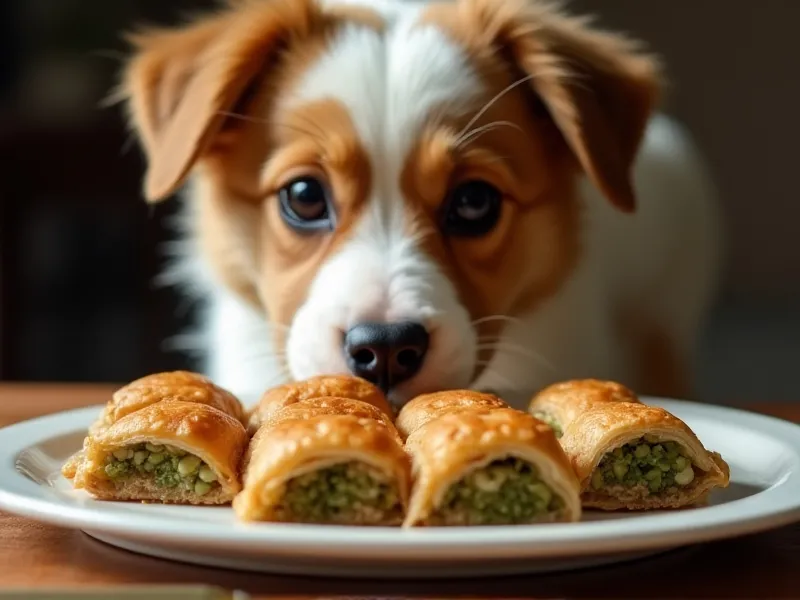
Table of Contents
- Can Dogs Eat Baklava? The Short Answer
- What’s in Baklava, Anyway? A Quick Ingredients Breakdown
- Potential “Benefits” of Baklava for Dogs (Spoiler: They’re Minimal)
- The Risks of Feeding Baklava to Dogs: Why It’s Best to Avoid
- 4.1 Sugar Overload: A Recipe for Long-Term Health Issues
- 4.2 Nuts: High Fat, Choking Hazards, and Hidden Dangers
- 4.3 Phyllo Dough: Empty Calories and Choking Risks
- 4.4 Syrups and Spices: More Sugar, More Problems
- If Your Dog Steals a Bite: What to Do Next
- Healthier Alternatives to Baklava for Your Pup
- Frequently Asked Questions (FAQ)
- Conclusion: Prioritizing Your Dog’s Health
- References
1. Can Dogs Eat Baklava? The Short Answer
No, dogs should not eat baklava. While a tiny, accidental bite (think: a crumb or two) might not harm your pup, intentional feeding is risky. Baklava is packed with ingredients—sugar, high-fat nuts, and sticky syrups—that can lead to short-term discomfort (like an upset stomach) or long-term health issues (like obesity or diabetes) in dogs. Let’s break down why.
2. What’s in Baklava, Anyway? A Quick Ingredients Breakdown
To understand why baklava isn’t dog-friendly, let’s start with its core components. Traditional baklava includes:
- Phyllo dough: Thin, flaky layers of dough made from flour, water, and oil.
- Nuts: Usually pistachios, walnuts, almonds, or hazelnuts (chopped or ground).
- Sweetener: Honey, sugar syrup, or rose water syrup.
- Spices: Cinnamon, cloves, or cardamom (optional).
On paper, some of these sound harmless—nuts have nutrients, right? But the combination and quantity of these ingredients make baklava a poor choice for dogs.
3. Potential “Benefits” of Baklava for Dogs (Spoiler: They’re Minimal)
Let’s play devil’s advocate: Could there be any upside to sharing baklava with your dog? In theory, a few ingredients might offer tiny nutritional perks, but they’re overshadowed by the risks.
- Nuts: Pistachios, walnuts, and almonds contain protein, fiber, and minerals like potassium and magnesium. For example, unsalted pistachios have antioxidants that support heart health. But here’s the catch: Baklava nuts are often roasted, salted, or mixed with sugar—negating any benefits. Plus, dogs only need small amounts of these nutrients, which they can get from their regular, balanced dog food.
- Fiber: Phyllo dough and nuts have trace fiber, but again, the sugar and fat in baklava far outweigh this minor plus.
In short: The “benefits” are negligible. Your dog’s diet should focus on nutrient-dense, dog-safe foods—not sugary, high-fat treats like baklava.
4. The Risks of Feeding Baklava to Dogs: Why It’s Best to Avoid
Now, let’s get to the real concern: the risks. Baklava’s ingredients can harm your dog in both the short and long term. Here’s what to watch for:
4.1 Sugar Overload: A Recipe for Long-Term Health Issues
Dogs don’t need added sugar in their diets. Their bodies are designed to process natural sugars from whole foods (like fruits), but the refined sugar in baklava syrup or honey is a problem.
- Obesity: Excess sugar turns to fat, and obesity in dogs raises the risk of joint pain, heart disease, and diabetes.
- Dental Disease: Sugar feeds harmful bacteria in your dog’s mouth, leading to plaque, tartar, and gum disease.
- Energy Spikes and Crashes: Just like humans, dogs can get a sugar high followed by a crash, causing hyperactivity or lethargy.
The ASPCA notes that while sugar isn’t toxic to dogs, chronic overconsumption can lead to serious health issues.
4.2 Nuts: High Fat, Choking Hazards, and Hidden Dangers
Nuts are a major red flag in baklava. While some nuts (like plain, unsalted pistachios) aren’t toxic, they’re high in fat—and that’s a big problem for dogs.
- Pancreatitis Risk: Fatty foods can trigger pancreatitis, a painful inflammation of the pancreas. Symptoms include vomiting, diarrhea, and lethargy, and it can be life-threatening. The AKC warns that high-fat diets are a leading cause of pancreatitis in dogs.
- Choking or Intestinal Blockage: Chopped nuts in baklava are small, but whole nuts (or even large pieces) can get stuck in your dog’s throat or intestines. Shells (if present) are even more dangerous—they’re sharp and can tear the digestive tract.
- Toxic Nuts: While rare in baklava, avoid versions with macadamia nuts—these are toxic to dogs, causing weakness, vomiting, and hyperthermia (ASPCA). Walnuts can also be risky if moldy, as they may contain aflatoxins (a toxic fungus).
4.3 Phyllo Dough: Empty Calories and Choking Risks
Phyllo dough is made from flour, water, and oil—simple ingredients, but not nutritious for dogs.
- Empty Calories: It’s high in carbs and low in fiber or protein, adding unnecessary calories to your dog’s diet.
- Choking Hazard: Dry, flaky phyllo can get stuck in your dog’s throat, especially if they gulp it down. This is more likely in small dogs or those who eat quickly.
4.4 Syrups and Additives: More Sugar, More Problems
Baklava’s sticky syrup (honey, sugar, or rose water) is pure sugar. Even “natural” sweeteners like honey are problematic: A single slice of baklava can contain 10–15 grams of sugar—way more than a dog needs in a day (a 50-pound dog’s daily calorie intake is ~600 calories; sugar adds empty calories without nutrition).
5. If Your Dog Steals a Bite: What to Do Next
Accidents happen! If Bella snatches a small piece of baklava off the coffee table, stay calm. A tiny bite (e.g., 1–2 bites of a mini baklava) is unlikely to cause severe harm, but monitor her closely for 24 hours.
Signs to watch for:
- Vomiting or diarrhea
- Lethargy or loss of appetite
- Excessive thirst or urination (signs of sugar spike)
- Choking or difficulty breathing (if phyllo/nuts get stuck)
If she shows any of these symptoms, contact your vet immediately. For larger amounts (e.g., an entire slice), call your vet or an emergency animal clinic right away—pancreatitis or blockages can develop quickly.
6. Healthier Alternatives to Baklava for Your Pup
Instead of sharing baklava, treat your dog to these safe, tasty alternatives:
- Plain, Unsalted Nuts (in moderation): A few unsalted pistachios (without shells) or almond slivers can satisfy their nut craving. Limit to 1–2 nuts per 10 pounds of body weight (e.g., 2–3 for a 30-pound dog).
- Fresh Fruits: Blueberries, apples (without seeds), or banana slices are sweet, low-sugar, and packed with vitamins.
- Veggies: Carrots, green beans, or cucumber make crunchy, low-calorie snacks.
- Homemade Dog Treats: Whip up simple treats with dog-safe ingredients like oats, peanut butter (no xylitol!), and pumpkin. Try this recipe: Mix 1 cup oats, ½ cup pumpkin puree, and 2 tbsp peanut butter. Roll into balls, bake at 350°F for 15 minutes.
These options are nutritious, low in sugar/fat, and designed for your dog’s digestive system.
7. Frequently Asked Questions (FAQ)
Q: My dog ate a piece of baklava with walnuts—should I panic?
A: Walnuts aren’t toxic, but they’re high in fat. Monitor for vomiting or diarrhea. If the walnuts were moldy, contact your vet immediately (aflatoxins are dangerous).
Q: Can puppies eat baklava?
A: No. Puppies have sensitive stomachs and are more prone to pancreatitis or choking. Stick to puppy-safe treats like small pieces of plain chicken or carrots.
Q: Is honey in baklava toxic to dogs?
A: Honey isn’t toxic, but it’s high in sugar. Avoid feeding it regularly, as it can lead to obesity or dental issues.
Q: Are there any “dog-safe” baklava recipes?
A: Not really. Even “sugar-free” versions may use xylitol (a sugar substitute toxic to dogs). It’s better to skip the baklava altogether.
8. Conclusion: Prioritizing Your Dog’s Health
Baklava is a delicious human treat, but it’s not worth risking your dog’s health. The sugar, fat, and potential choking hazards make it a poor choice for our furry friends. Instead, opt for dog-safe snacks that nourish their bodies and keep their tails wagging.
If you’re ever unsure about a food, consult your vet—they can guide you on what’s best for your dog’s unique needs. After all, a happy dog is a healthy dog!
9. References
- American Society for the Prevention of Cruelty to Animals (ASPCA). “People Foods to Avoid Feeding Your Pets.” aspca.org
- American Kennel Club (AKC). “Pancreatitis in Dogs: Symptoms, Causes, and Treatment.” akc.org
- PetMD. “Can Dogs Eat Nuts? Which Are Safe, Which Are Toxic.” petmd.com
- VCA Hospitals. “Nutrition for Dogs.” vcahospitals.com